In his recent work, Arun Nedunchezhian, an experienced researcher in digital systems optimization, introduces a transformative strategy for handling notification volumes in digital platforms. With a strong background in applied machine learning, he explores how a nuanced understanding of user behavior can revolutionize communication strategies.
Breaking the One-Size-Fits-All Mold
In the world of digital engagement, one common pitfall has long been the one-size-fits-all approach to notifications. Digital platforms typically rely on a single machine learning model to predict engagement and optimize for one objective either Daily Active User (DAU) or Weekly Active User (WAU) rates. This homogeneous strategy disregards the broad variability in user behavior, resulting in over-notification of engaged users and under-engagement of passive ones. The outcome? Notification fatigue, uninstalls, and missed engagement opportunities.
Understanding the User Pulse
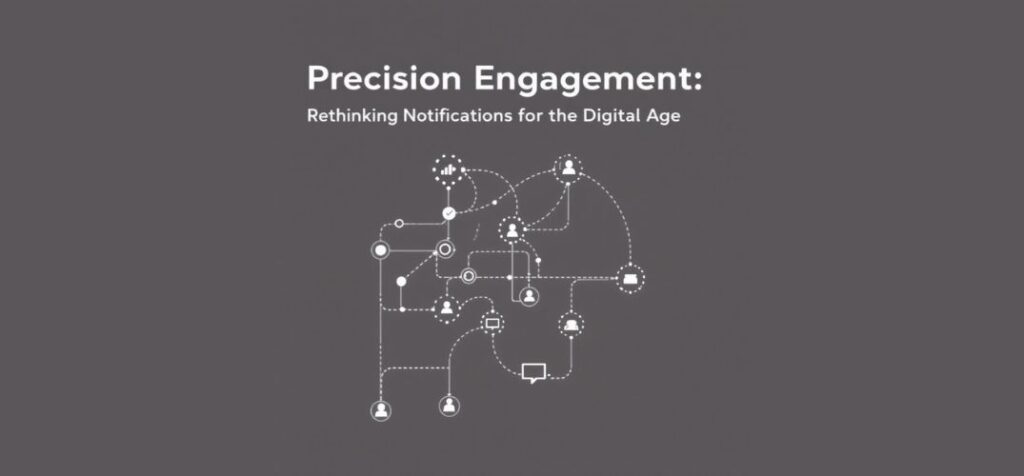
His framework introduces a fundamental shift: segmenting users based on their natural interaction patterns. Users are categorized dynamically into high-activity and low-activity segments. High-activity users, those who log in daily, receive notifications aligned with their daily rhythm, while low-activity users who interact weekly are targeted with a less frequent, more deliberate cadence. This segmentation respects the natural ebb and flow of engagement across the user base and prevents communication from becoming noise.
Segment-Specific Intelligence
A cornerstone of this framework is its use of dual-objective optimization. Instead of a blanket engagement metric, separate machine learning models are deployed for each user segment DAU for high-activity users and WAU for their lower-activity counterparts. These models are trained on segment-specific data, incorporating behavioral trends, historical responsiveness, and contextual cues to maximize the relevance and timeliness of each notification. This precision increases engagement significantly without inflating notification volume or compromising user experience across the platform.
The Case for Dynamic Segmentation
Unlike static models, which fail to adapt to evolving user patterns, dynamic segmentation allows platforms to reclassify users in real time. As users become more or less active, their categorization and the strategy used to communicate with them adjusts accordingly. Studies cited in the framework show that dynamic segmentation increases responsiveness to notifications by over 37% and cuts opt-out rates by nearly a quarter. This fluidity is vital in today’s ever-shifting digital landscape.
Engineering Optimal Engagement
Building this smarter notification system isn’t just about analytics it’s about infrastructure and intelligent orchestration. The framework recommends deploying two separate processing pipelines for high and low-activity users. These systems are capable of processing vast volumes of event data in real time, ensuring that notifications are delivered at the most opportune moments, based on user behavior patterns and contextual relevance. Using event-driven architecture, platforms can maintain latency under 200ms, even during peak activity, while scaling dynamically to accommodate user growth, varied content types, and sudden spikes in engagement.
Keeping the Balance: Resource Allocation
All these advancements come with a constraint: total notification volume must remain fixed. The brilliance of his approach lies in how it manages this balance with remarkable precision and foresight. High-activity users receive a larger share of notifications due to their higher likelihood of engagement, while low-activity users are targeted more strategically, with personalized and behaviorally-informed content. This asymmetrical distribution ensures that resources are allocated not equally, but equitably based on impact, relevance, and predicted value rather than raw volume or arbitrary quotas.
Measuring the Impact
The dual-objective strategy isn’t just theoretically sound, it’s been tested. Platforms that adopted this segmented approach experienced engagement improvements of up to 34.7%, with no increase in notification volume. Retention rates rose, and uninstall risks dropped significantly. These gains highlight the tangible value of aligning communication strategies with user behavior, rather than applying generic solutions.
The user state-based notification optimization framework stands as a milestone in the evolution of digital engagement. By aligning communication strategies with the behavioral rhythms of diverse user segments, platforms can drive engagement while safeguarding user satisfaction. This paradigm shift moves beyond the limitations of traditional methods, offering a scalable, intelligent alternative for modern digital ecosystems.
In conclusion, Arun Nedunchezhian’s contribution challenges us to rethink how we connect with users not just more often, but more meaningfully. His work paves the way for more respectful, responsive, and intelligent digital interactions in the future.