
TechBullion


Grigorii Danileiko
The Secret to Grigorii Danileiko’s Success: Improving the Usability and Reliability of Enterprise Platforms
Read the interview
Louis Régis
Inside Propr: How Louis Régis Is Taking Perp Prop Trading Onchain
Read the interview
David Lucatch
GRND.io: David Lucatch on Staking, Rewards & Where Gold Fits Into Web3
Read the interview
Javier Rodriguez Del Campo
How Applied AI Is Reshaping Supply Chain: Javier Rodriguez Del Campo on Pricing, Procurement, and Decision-Making
Read the interviewLatest posts
 Why Two Electricians Can Give You Wildly Different Quotes10 min · Read
  How Small Businesses Can Improve Financial Management With Accounting Automation6 min · Read
  A 30-Day Glow-Up Checklist That Does Not Require a Shopping Spree3 min · Read
 - How to Recognize Emotional Distress in a Nonverbal Autistic Child12 min · Read
 Best Acoustic Panel Manufacturers in China: 5 PET Suppliers for Commercial Interiors (2026)4 min · Read
  Top Energy Storage Cell Manufacturers in 20266 min · Read
 - Financial Crime Prevention in the US 2026: Where Bank Compliance Spend Now Buys Earlier Catches and Fewer False Positives6 min · Read
- AI in Homeopathy Software: 6 Lessons From Making an 1897 Medical Reference Searchable5 min · Read








Most read
 Multi-Agent AI and the Need for Enterprise Control Layers: An Interview with Alexey Spas, CEO of Instinctools
- How Telegram Bot Search Ranking Works, And Why Most Bots Never Show Up
- What to Look for Before Hiring an AI Product Development Team
- Best SEO Service Providers in India for Higher Rankings
- Eric Ralls on Building Public Trust in Science Through Responsible Journalism

Editor's choice
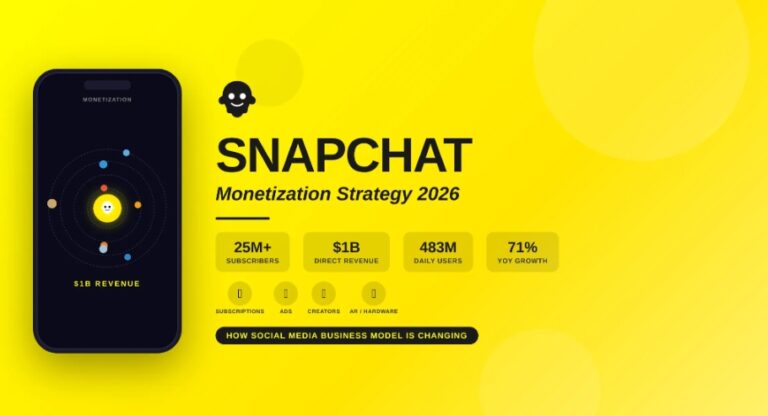
 How Snapchat Monetization Is Changing Social Media in 20268 min · Read
 - 8 Leading Flutter App Development Companies in Europe8 min · Read
- How AI Voice Agents Are Transforming Patient Appointment Booking and Healthcare Access: Interview with Dr. Michael Dent23 min · Read
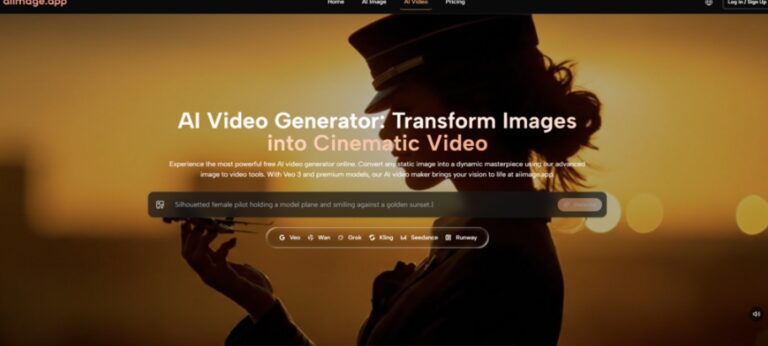
 My Hunt for a Clean AI Image Tool Without Constant Ad Noise8 min · Read


Fintech News See all
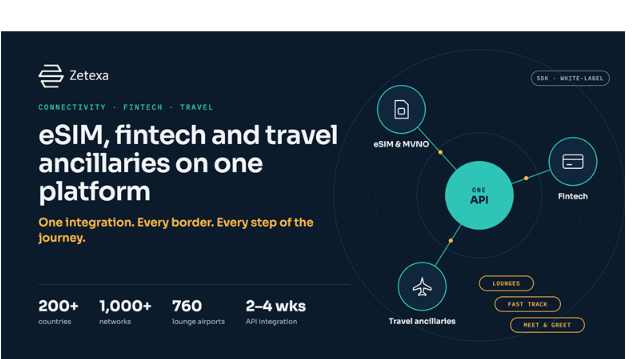
 How Zetexa Is Connecting eSIM, Fintech and Travel Ancillaries Through One B2B Platform6 min · Read
  Digital Lending Platforms in America: Use Cases, Benefits, Risks, and Long-Term Opportunities4 min · Read
 - Sugar Raymond on Why Zero-Trust Architecture Is Critical to the Future of Cloud-Based Financial Transactions5 min · Read
 Papaya Global and Tasq.ai Partner to Bring Neobanking to the Global Workforce Powering Physical AI2 min · Read


More in Fintech News
- What to Look for When Choosing Land for a Custom Home in Idaho Falls
- Free Fintech Tools and Financial Calculators for Small Businesses
- The Wrong Question in Trade Finance: Why “Is the Paperwork Complete?” Isn’t Enough Anymore
- Read Before You Sign: A Plain-Language Guide to Understanding Loans, APR, and Borrower Rights
- 11 Ways Fintech Boosts Small Business Cash Flow: Real-World Impact

Technology See all
 Bridger Hat Co Launches Faith-Based Caps With Scripture Inside Every Crown4 min · Read
 - Why induction furnace nameplate power does not establish plant output6 min · Read
- How Businesses Can Control Access to Confidential Files After Sharing5 min · Read
- Best Pulse Survey Tools for Reducing Turnover in 202613 min · Read




More in Technology
 Lab-Grown or Natural Diamonds: What to Know Before Buying Jewelry on Sale
- PressRelease.in Featured in PRDIGEST’s “Top Indian Press Release Websites in 2026”
- How Smartest Workers Turned Machines and Production Lines Into 1 Billion Monthly Views
- Why Is My Website Slow? How to Read a Website Speed Test
- How to Spy on an iPhone in 2026: The Complete Guide to iPhone Spy Apps and Remote Monitoring

Blockchain See all
- XRP News: Ripple Signs Up Two Big Banks in a Week as Pepeto Buyers Chase a 100x4 min · Read
- Two Clocks, One Chart: A Buffint Review of Time Zone Setting5 min · Read
- MEXC September Highlights: TradFi Asset Coverage Tops 10,000, Guardian Fund Adds 1,000 BTC2 min · Read
- Crypto Wallets with a Card-Ready Euro Path: Top 6 Compared2 min · Read





More executive interviews
Founders, CEOs and technology leaders talk about what they build, how they fund it, and where AI, finance and data are taking their industries next.

Nithesh C. Nekkanti
Rethinking CRM Architecture for the Era of Connected Products
Read the interview
Darshan Shah
Beyond Compliance: Building Operating Models for Continuous Regulatory Change
Read the interview
Nithin Mummaneni
From AI Adoption to Measurable ROI: Infinity Loop CEO Nithin Mummaneni on Turning AI Investment into Business Value
Read the interview
Alexey Gubarev
AI Infrastructure, Cloud Computing, Tech Investment and the Future of Data Centres; And Interview with Alexey Gubarev
Read the interview
Yurii Nikolov
Yurii Nikolov: “My principle is to launch a project, get it up and running, and then move on”
Read the interview
Anna Veklich
Anna Veklich on Building a 36 Million-User AI Platform Without Venture Capital, and Why AI’s Next Battle Is Distribution
Read the interview
David Tobias
David Tobias of Nearmap on How AI, Geospatial Intelligence and Property Data Are Transforming Insurance Risk
Read the interview
Haytham Allos
Building Trustworthy AI for Legal Technology: An Interview with Haytham Allos, CTO of Vikk AI
Read the interview