
Yurii Nikolov: “My principle is to launch a project, get it up and running, and then move on”

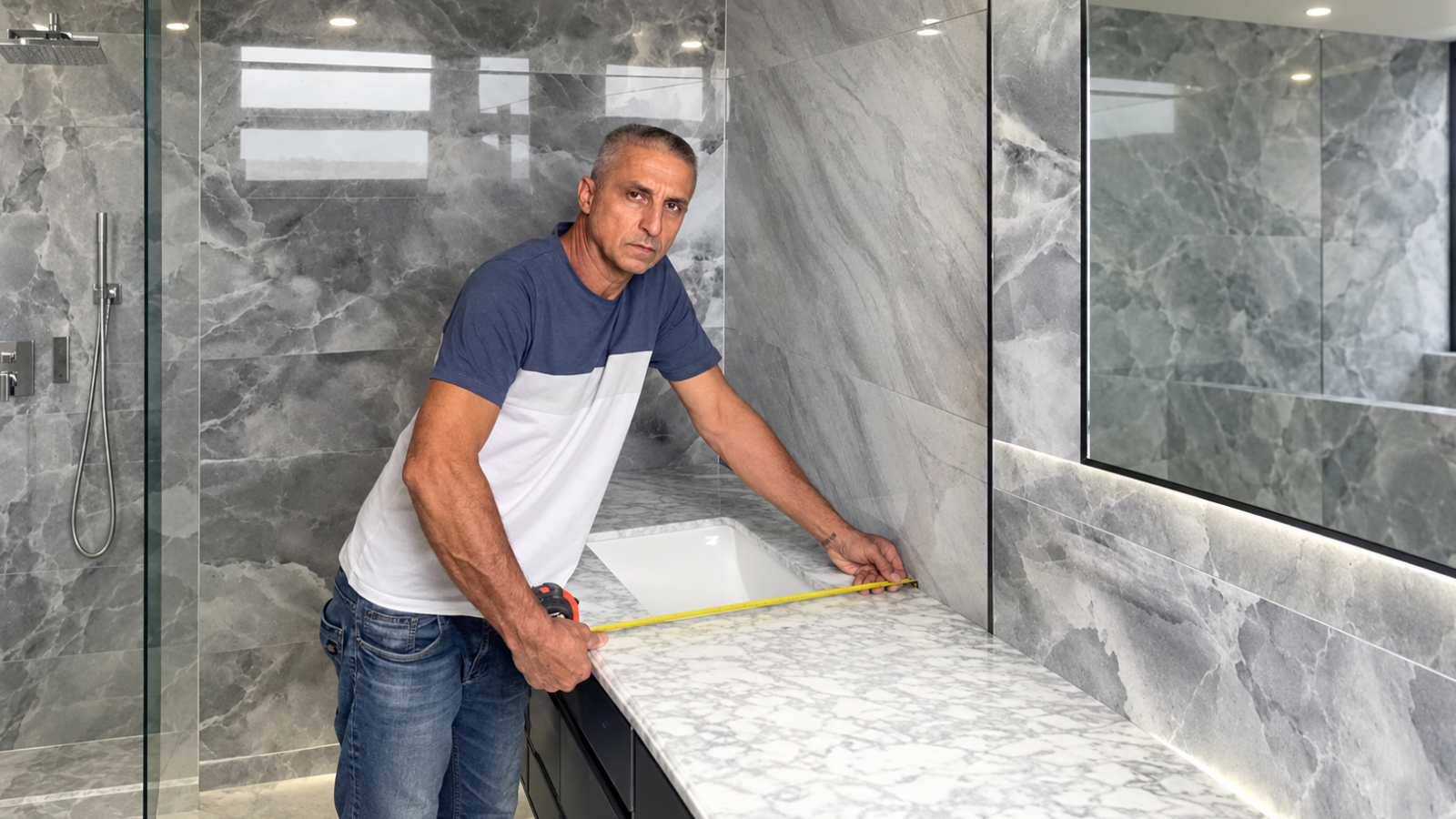
Business success largely depends on how effectively operations are structured today, from the initial idea to achieving tangible results. Clear planning, efficient processes, and the ability to see prospects provide a solid foundation for sustainable growth. Yurii Nikolov, an expert with many years of experience in construction, manufacturing, and agribusiness, will explain how to build and manage such operations in practice.
Yurii, looking back at your entire professional career, how would you describe your main area of expertise?
That’s a good question. I would probably describe myself first and foremost as an expert in organizing and launching projects from the ground up. I’ve worked in several areas, construction, manufacturing, carpentry, agriculture, and even animal feed production. At first glance, these may seem like completely different fields, but the basic principle is more or less the same everywhere: there is a task or an idea, and you need to make it work in practice.
Tell us how it all started.
I started out doing finishing work and construction. Gradually, I gained experience, then moved on to managing teams, organizing construction projects myself, launching manufacturing operations, selecting equipment, working with suppliers, and eventually overseeing an established, functioning business.
But eventually, you changed direction? As far as I know, your professional career has largely been a progression from one stage to the next.
You know, I never really planned a career in the traditional sense of thinking, “Today I’m in construction, tomorrow I’ll be in manufacturing.” A task would come up, I would take it on, figure things out, gain experience, and then see the next opportunity.
When it comes to construction, at first I learned by observing and working alongside people who were involved in renovations and the construction of buildings. I watched how they worked, learned from them, and tried things out myself. Then I gained experience working independently, including building a house. After that, larger projects started to come along, and my role changed. I was now coordinating entire processes, managing people, and taking responsibility for the overall result. So, the scale of the projects was constantly growing. And as it did, my role changed as well: I gradually moved from being the person directly doing the work to becoming the specialist responsible for organizing the entire process.
Then the idea of setting up a woodworking business came along.
Yes, that was a major project! A production facility of around 1,800 square metres.
It was a very substantial project. And I was expected to do more than simply construct the building, I was responsible for getting the entire enterprise up and running. I had to organize the construction of the building itself, bring in the necessary people, oversee the work, and then move on to setting up the actual production operation. So the project consisted of several components: construction, equipment, personnel, organization of the production process, and finally, launching the enterprise. I oversaw the entire process and was responsible for making sure that everything ultimately worked.
That experience eventually led me to establish my own manufacturing business, producing doors, furniture, and garden products.
But you didn’t stop there and eventually moved into agriculture. Was it difficult to make such a radical change of direction?
Actually, that also started with a fairly simple farm. We were raising rabbits, around 1,000 animals. It was a relatively small project, but it allowed us to understand the economics of the business and see where we could develop further. It became clear to me that if you want to improve the results, you need to control not only the animal-rearing process itself, but also the feed. Feed affects how quickly an animal grows, how much it consumes, and how cost-effective the entire process is. That led me to the idea of producing animal feed. At first, we started working with a major corporation that manufactured compound feed. They offered us a distributorship, and this gradually developed into a partnership that lasted for many years.
But then another idea emerged: if we were already working with animal feed and understood the market, why not produce the feed ourselves? We started looking for formulations, specialists, and equipment. Initially, we operated on rented premises, then acquired our own site and built a production facility. After that came the purchase of equipment, sourcing ingredients, developing the initial formulations, and testing the products. There were laboratory studies, adjustments to the formulas, and initial results from testing the feed on animals. In short, I was in control of the entire process from start to finish.
To sum it up, the development really was continuous and gradual: each new stage emerged from the understanding that an existing, functioning project could be developed further.
So once the production facility was up and running, you could assign people to specific areas and move on to the next task. How did you know that a project was truly operating independently?
For me, a project can be considered fully launched when it is no longer necessary to personally oversee every single operation. Everyone needs to have a clearly defined role and know what they are responsible for, the equipment needs to be functioning, the production process needs to be properly organized, and there needs to be a clear understanding of how the business will operate going forward. At the initial stage, I was personally involved in virtually everything, because otherwise it would have been impossible to get the production running properly. I had to keep track of the equipment and its setup, the people, and the organization of the work. But once the processes had been established, we could assign a specific person to each area of responsibility. At that point, the business could operate without my constant presence.
This is actually one of my core principles: launch a project, get it running smoothly, put the right people in the right positions, achieve stable operations, and then move on to the next task. At the same time, I continued to understand how the project was operating and monitor its results.
Finally, if you bring all of this experience together, construction, equipment, launching production facilities, managing people, sales, and agribusiness, what role did you actually play in all these projects? What typically fell within your area of responsibility, and which part of this experience would you now consider your strongest professional competency?
The title of my role could vary from one project to another, but in essence, I was often performing the same role: organizing a project and getting it to the point where it was fully operational. I always had to keep the entire project in mind rather than focusing on just one particular area. I needed to understand what was most important at any given moment, what needed to be done next, who needed to be involved, what equipment needed to be sourced, where the problem was, and how to solve it.
I suppose that is what I consider my greatest strength, the ability to take a project that does not yet exist as a functioning system, bring all the necessary elements together, and ultimately achieve the desired result.





Comment