
7 Things to Consider Before Buying an iPhone Screen Protector Under $20 in 2026-2027

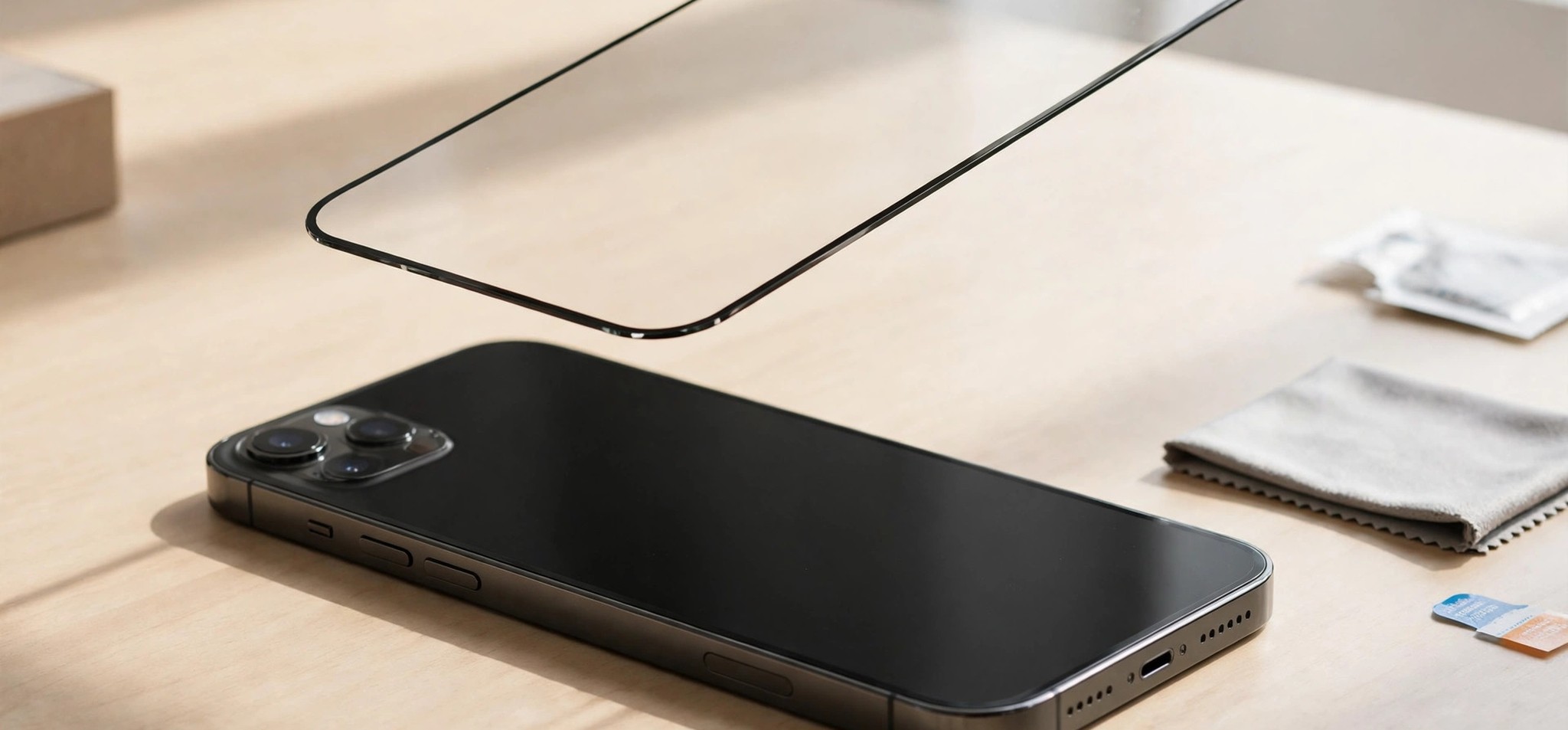
There's no reason to shell out a lot of money on accessories to keep your iPhone safe. With so many affordable options available, finding reliable iPhone screen protectors under $20 is easier than ever. But the selection of the right one is not just about price comparisons.
A strong screen protector ought to safeguard your screen from day-to-day scratches, keep the touch panel responsive, and fit your device to boot. Other options to consider include privacy protection, fingerprint resistance, or enhanced screen clarity, depending on your lifestyle.
The question is: which features are important and which marketing claims warrant further investigation? If you're an iPhone owner, either older or newer, here are seven crucial factors to keep in mind when purchasing a budget-friendly screen protector for the coming year of 2026.
Are iPhone Screen Protectors Under $20 Worth Buying?
Yes, you can get a good deal on an iPhone screen protector that covers the screen if it has the right materials, fits the phone, and is easy to use. It is not always the case that a high-priced accessory is a higher-quality accessory and a low-priced accessory is a low-quality accessory.
There are several features that most budget-friendly protectors provide, such as tempered glass design, scratch resistance and anti-fingerprint coatings, and accessories for installation. But real protection comes from the product design, quality of manufacture, and the way the protector is used.
You might find a $15 protector that fits right and lets you see clearly to be more worthwhile for everyday use than a more costly protector that doesn't fit your needs. The important thing is to evaluate what you're getting rather than choosing a product based on price alone.
1. Understand the Different Types of iPhone Screen Protectors
It's crucial to know what materials and technologies are available before buying a screen protector. Not every screen protector is the same.
Tempered Glass Screen Protectors
Tempered glass is one of the most frequently used materials for safeguarding the smartphone screen. It offers a solid base that is just like the original display and is resistant to much of the normal scratching. Tempered glass protectors are widely used options as they can provide:
- A smooth touchscreen experience
- Resistance to common surface scratches
- Clear display visibility
- Relatively simple installation
- A replaceable layer over the original display
Tempered glass is not, however, bulletproof. A high-impact event can harm the protector, and it does not give protection from screen cracks.
HD Clear Screen Protectors
The clearness and transparency of the display are the most important features of the HD screen protectors. They work to keep the look of the original screen and put a cover over it.
The protectors are especially designed for individuals who watch videos, edit images, play games, or view visual content often. Some users may want a clear protector, as it is a better option for brightness and color accuracy than a privacy protector.
Privacy Screen Protectors
Screen protectors provide privacy by incorporating a special optical filtering layer to reduce visibility of the screen from some side angles. The display can be used normally when viewed directly, but could be difficult to read when viewed indirectly from the side. This is especially beneficial in offices, airports, public transport, and other common areas.
Be aware that privacy protectors will slightly impact brightness or viewing experience. It depends on whether you are more interested in screen visibility, privacy, or both.
2. Check Compatibility With Your Exact iPhone Model
A frequent error people make when buying an inexpensive screen protector is that they think that all iPhones have the same glass size. Apple has a variety of different iPhone models with varying sizes, display designs, and body sizes.
One protector may not fit properly on another model. For instance, accessories designed to fit the regular iPhone will not fit the Pro or Max version.
Why Does Compatibility Matter?
An incorrectly sized screen protector can create several problems:
- Uncovered areas around the display
- Poor alignment with the screen
- Edges that lift after installation
- Interference with certain phone cases
- An uneven appearance
Some protectors also use model-specific cutouts or edge designs. Before buying, check your exact iPhone model under Settings → General → About. Then verify that the product listing specifically includes your model. This simple step can prevent unnecessary replacements and improve the overall experience.
3. Don't Rely Only on 9H Hardness Claims
While looking for budget iPhone screen protectors, you will come across a lot of iPhone screen protectors with a hardness rating of 9H. While this is good, it is crucial to understand the meaning behind this rating.
What Does 9H Mean?
The 9H is usually used in screen protector marketing to designate a pencil-softness range. It provides resistance to scratching under specific test conditions.
However, it doesn't mean that the product has a hardness of 9 on the Mohs mineral hardness scale. It also does not mean that the protector can't be scratched or broken.
Does 9H Glass Prevent Screen Cracks?
Not necessarily. A screen protector can limit damage due to a few everyday impacts and contacts; however, its effectiveness varies with a number of factors. These include:
- The angle of impact
- The surface the phone hits
- The height and nature of a fall
- The strength and construction of the protector
- Whether the phone has a protective case
As for display protection, even premium tempered glass will not offer 100 percent protection. When deciding on a protector, look at more than just the 9H hardness rating, but also the fit, edge quality, clarity, and overall construction.
4. Prioritize Display Clarity and Touch Sensitivity
The screen is one of the most crucial attributes of your iPhone. It should be protected by a screen protector that does not make interactions with it frustrating. The use of poor-quality materials or improper installation may reduce visual comfort and usability.
Display Clarity
The screen protector should be transparent enough so that you can read the text, images, and videos easily. Visible fingerprints, smudges, or reflections are minimised using some of the products' coatings. Most HD protectors are designed for transparency, and privacy protectors for lack thereof.
When buying a smartphone, think about what you want to do with it. For instance, an individual who edits pictures for hours a day might want maximum clarity, while a frequent commuter may be more interested in more privacy.
Touchscreen Responsiveness
A properly designed and installed protector should allow normal touchscreen gestures. You should be able to:
- Scroll through websites smoothly
- Type messages comfortably
- Navigate applications
- Use swipe gestures
- Interact with the edges of the screen
If touch responsiveness changes after installation, the protector may be poorly fitted, incorrectly installed, or unsuitable for the device.
Fingerprint-Resistant Coatings
Some of the lower-cost tempered glass protectors have oleophobic coatings. They will reduce the accumulation of fingerprint oils, making them less visible. They can simply make the screen easier to clean, and they can enhance the comfort of everyday use.
These coatings, however, will eventually deteriorate in use and with cleaning, depending on how and how much the coating is used. While a long list of promised features can be great, a screen protector with good clarity and accurate touch response could be more important and useful than one with many additional features for under $20.
5. Compare Privacy and HD Screen Protection Before Buying
Choosing between privacy and HD protection can noticeably change how you experience your iPhone. Neither option is universally better. Each serves a different purpose.
HD vs. Privacy Screen Protectors
| Feature | HD Screen Protector | Privacy Screen Protector |
|---|---|---|
| Primary benefit | Display clarity | Restricted side-angle visibility |
| Viewing angles | Generally unrestricted | Limited from certain angles |
| Brightness | Usually maintains greater transparency | May reduce perceived brightness |
| Everyday usability | Suitable for most users | Useful in shared environments |
| Media viewing | Generally preferable for wider viewing angles | Side-angle viewing can be limited |
| Main consideration | Clarity and material quality | Privacy effectiveness and visibility |
Who Should Choose an HD Protector?
For those who value optimal clarity, an HD screen protector is a wise option. It would be particularly suitable for students, content creators, photographers, gamers, and individuals who frequently watch videos.
Who Should Choose a Privacy Protector?
Protecting privacy might help if you need to view personal messages, work files, or financial records in front of others. It can help discourage casual shoulder surfing, but shouldn't be a replacement for good digital security practices.
If you're looking into both online and offline shopping, Saarifin is one of the online stores that provide HD and privacy screens for compatible iPhone models. When you are looking at buying from any shop, check the exact specifications of the product, the price at the time of purchase, and the compatibility of the device.
6. Look for Easy Installation and Case-Friendly Design
Any screen protector, even a high-quality one, can be frustrating if it is difficult to install. Dust, fingerprints, bubbles, and misalignment may cause displays to appear differently. Hence, the importance of installation accessories and product design.
What Should an Installation Kit Include?
Depending on the product, a screen protector installation kit may provide:
- A cleaning wipe
- A microfiber cloth
- Dust-removal stickers
- An alignment guide
- An installation frame
Not every affordable protector includes all these items, so check the product description.
How to Install a Screen Protector Properly
First, turn off your iPhone and then remove the case. Use the manufacturer-recommended cleaning supplies to clean the display carefully. Ensure the screen is free of dust and dry.
Then, install the protector in the correct position following the directions. Use an alignment frame if one is provided to obtain an accurate fit. Once placed, remove any air bubbles, if present, with care as directed. Avoid applying excessive pressure to the display.
Why Case-Friendly Design Matters
Some protective cases wrap around the screen's sides, and that's a little bit more than I prefer. A glass protector that comes into contact with those edges may press against them. This may lead to lifting or bubbles.
Case-friendly protectors are made to provide the correct spacing around the sides. If you own a protective phone case, then be sure to use a screen protector that is compatible with it.
7. Evaluate Overall Value Instead of Choosing the Lowest Price
While browsing for iPhone screen protectors that cost less than $20, it's easy to be tempted to get the most inexpensive screen protector that you can find.
However, the lowest price doesn't always provide the best value. A slightly more expensive protector may provide additional features that are beneficial, like better installation accessories, edge finishing, or an appropriate design.
What Should You Compare?
Before making a purchase, consider:
- Material quality: Is the protector made from tempered glass, plastic film, or another material?
- Device compatibility: Does it explicitly support your exact iPhone model?
- Display experience: Is it designed for clear visibility and responsive touch?
- Privacy requirements: Do you actually need restricted viewing angles?
- Installation accessories: Does the package contain helpful cleaning and alignment tools?
- Case compatibility: Will it fit with your current protective case?
- Customer feedback: Do verified reviews mention installation quality, durability, and everyday usability?
- Return policy: Can you return or replace the product if it arrives damaged or doesn't fit as advertised?
These considerations help buyers evaluate what they are receiving for their money.
Are Multi-Packs Better Value?
Some screen protectors are available in packs of more than one. If you need a spare protector or are faced with the possibility of frequent replacements, a multi-pack can be convenient.
But the number of protectors should not be the only consideration. Before believing a larger package provides more value, inspect product quality, installation accessories, and compatibility.
How Much Should You Spend on an iPhone Screen Protector?
There isn't a single perfect budget for each iPhone user. The value of the machine to spend is decided according to the features required and what is offered for your specific model. If products fall in the sub-$20 range, these are factors to consider when purchasing:
| Your Priority | Features to Look For |
|---|---|
| Basic everyday protection | Tempered glass, accurate fit |
| Clear display | High-transparency glass |
| Privacy in public | Side-angle privacy filtering |
| Easy installation | Alignment frame and cleaning kit |
| Frequent replacement | Multi-pack availability |
| Comfortable everyday use | Smooth surface and fingerprint-resistant coating |
The advertised price of a product should also be taken into account along with any shipping costs and taxes. The prices and availability of these products are subject to change; please check the final price before proceeding to checkout. The best investment is typically the protector that provides the protection you need at a price you don't have to pay for.
Common Mistakes to Avoid When Buying Budget Screen Protectors
Affordable screen protection can work well, but certain purchasing mistakes can lead to disappointment.
Choosing Price Over Compatibility
A cheap protector isn't useful if it doesn't fit your iPhone correctly. Always verify the exact device model.
Assuming Every Tempered Glass Protector Is the Same
Materials, coatings, edges, and installation quality can vary between products. Avoid judging quality from marketing terms alone.
Ignoring Privacy Screen Limitations
Privacy glass can restrict side-angle visibility, but it may also make the display appear darker. Choose it based on how and where you use your phone.
Believing Scratch Resistance Means Drop Protection
Scratch resistance and impact resistance are different characteristics. A protector may resist surface scratches while still cracking during a fall.
Overlooking Installation Quality
Poor installation can result in bubbles, dust contamination, or lifting edges. Careful preparation matters regardless of the product's price.
How to Make an Affordable Screen Protector Last Longer
Proper care can help maintain the appearance and usability of your screen protector. Wipe it down frequently using a soft microfiber cloth. Do not use abrasive cleaners, which can harm coatings.
Avoid using any pocket with sand or other coarse material in it. Check the protector periodically for cracks, chips, or lifting edges. If the glass breaks, it may be worthwhile to replace it before the sharp edges cause handling issues.
A compatible phone case may also offer further security for the phone. Don't forget that the screen protector is only one component of protecting your smartphone. Handling and proper accessories are still significant.
Frequently Asked Questions
What is the best iPhone screen protector under $20?
It will depend on what kind of iPhone you have, how much you want to spend, and what your priorities are. Consider a protector that fits and is clear without compromise, has adequate material quality, and offers some helpful installation tools, but don't go by price alone.
Are cheap iPhone screen protectors effective?
An inexpensive screen protector might offer a level of protection from everyday scratches and from a few low-impact scratches or bumps. But the actual performance will differ depending on the product; no protector can promise that the original display will be left untouched.
Is tempered glass better than plastic film?
Tempered glass typically feels firmer and more glass-like, and is often more resistant to scratching. Plastic films are generally thin and bendable. The better option is based on the protection and usage you desire.
Are privacy screen protectors worth buying?
For those who must use their cell phone in public often, privacy protectors can be helpful. They make it harder to see from some angles, but can impact screen brightness and visual comfort.
Do screen protectors affect Face ID?
Face ID should work with a properly designed and compatible protector. Around relevant components, however, an inadequate product, contamination, or installation can cause issues.
How often should I replace an iPhone screen protector?
No single replacement timetable exists. If cracks, chips, deep scratches, or repeated safety, visibility, or usability issues are present, consider replacing the protector.
Can I get good iPhone screen protection for less than $20?
Absolutely, there are items under $20 that have practical functions in daily use. Do not compare prices without carefully reading the available listings, as the price does not guarantee protection quality, performance, or compatibility.
Final Thoughts
Finding reliable iPhone screen protectors under $20 doesn't have to be complicated. Here's the secret: knowing which characteristics truly enhance your daily phone usage. The tempered glass construction, model accuracy, clarity of the display, responsiveness of the touchscreen, and the quality of the installation are important features.
If privacy protection is desired, it can also be considered for users who are often in shared areas and need to be protected from others accessing their sensitive information. Don't want the most expensive choice or the lowest-cost product, but instead do what works with your routine and needs.
A screen protector can be a practical accessory to help minimize screen wear and tear and ensure the feel you get from your device.




Comment