
Shockwave for Chronic Pain: When Everything Else Has Failed

“I’ve tried everything” usually means the pain has outlasted several reasonable attempts to treat it. The heel still hurts on the first steps out of bed. The Achilles tendon settles with rest, then flares when walking picks up again. At that point, another treatment can sound either hopeful or exhausting. Before booking it, the more useful question is what problem has actually resisted care.
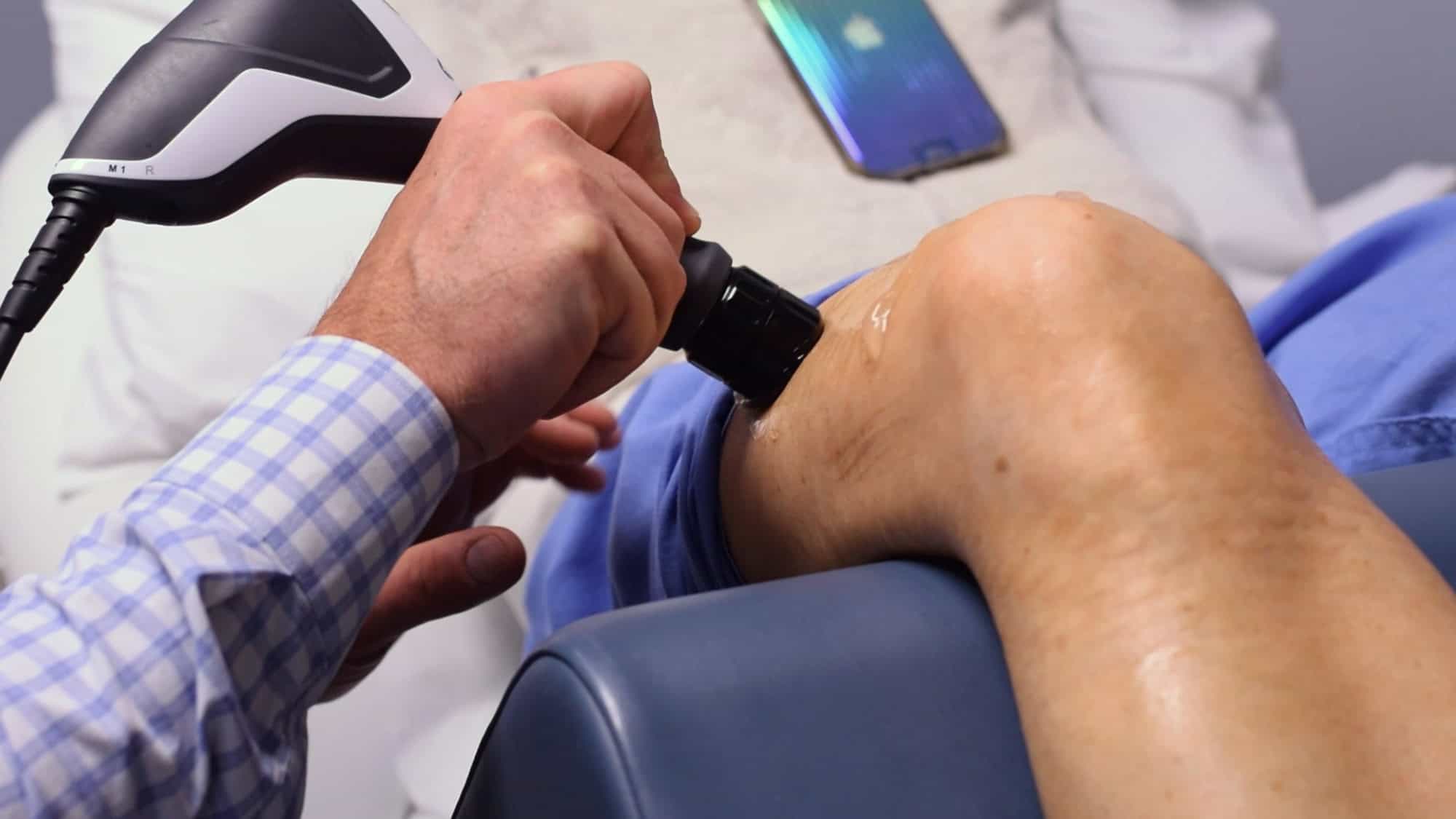
Extracorporeal shockwave treatment delivers pulses of mechanical energy through the skin to a selected area. There is no incision or injection. It has been studied for several persistent musculoskeletal conditions, particularly some tendon and heel problems. But “chronic pain” covers too much ground for any device to be an answer on its own.
The proposed effect is often described as stimulating a response in painful tissue. Exactly how that translates into lasting relief, and for whom, is less certain than a simple “restart healing” slogan suggests. A treatment can be plausible without being reliably effective for every condition to which it is marketed.
What Has Already Been Tried, and for How Long?
A treatment can fail because it was a poor match for the diagnosis. It can also fail because the plan was too brief, too difficult to continue or never adjusted when symptoms changed. Someone with heel pain might have changed shoes but not addressed the activity that repeatedly aggravates the foot. Someone with an Achilles problem might have rested whenever it hurt, only to return abruptly to the same workload.
That history matters more than a list of therapies with check marks beside them. Where exactly is the pain? What brings it on? What did earlier treatment involve, and what happened afterwards? An assessment may reveal that the original diagnosis needs revisiting. It may also show that rehabilitation is still part of the answer, even if a new treatment is added.
The word “failed” can conceal partial progress. If a person can now walk for 20 minutes instead of five, the remaining pain is real, but the previous work was not wasted. A good next step builds on what changed rather than starting the story over.
Which Problems Have Been Studied?
Shockwave is often discussed for plantar heel pain that has not improved with conventional care. It is also used in discussions of Achilles tendinopathy and some other tendon conditions. The evidence is not equally strong for every body part, diagnosis or device. It would be misleading to treat a study of persistent heel pain as proof that shockwave will relieve long-standing neck or back pain.
For refractory plantar fasciitis, the UK National Institute for Health and Care Excellence (NICE) reports no major safety concerns but says evidence of benefit is inconsistent. Its guidance calls for clear discussion of that uncertainty. NICE reaches a similarly cautious conclusion for Achilles tendinopathy, where efficacy evidence is inconsistent and limited in quality and quantity. These are reasons to ask careful questions, not to assume that nobody ever improves.
There is also a practical distinction between pain at the back of the heel, pain under it and pain elsewhere in the leg. The location changes what a clinician needs to examine. A treatment decision should follow that examination, not the shared label of “foot pain.”
Time matters as well. A new injury, sudden loss of function or pain accompanied by other unexplained symptoms calls for assessment on its own terms. Shockwave is generally discussed in relation to persistent, selected problems. It should not be used as a shortcut around finding out why a symptom has appeared or worsened.
What Does a Trial of Treatment Involve?
During a session, a device is placed against the skin over the area being treated and delivers repeated pressure pulses. The settings and method can vary. Some people find the sensation uncomfortable, especially over a tender spot. Pain, temporary redness or bruising can occur, so “non-invasive” should not be mistaken for “nothing to discuss.” NICE’s patient information on plantar fasciitis mentions pain, bruising and possible skin damage around the treated area.
Before proceeding, ask what diagnosis is being treated, why shockwave therapy is being considered now and whether your medical history or medicines change the decision. Ask what other parts of the plan continue. A short course of device-based treatment does not replace a thoughtful return to walking, exercise or work that the painful area needs to tolerate.
Agree on what would count as progress. “It hurt less right after the appointment” is one observation, but the more telling one may be whether you can manage a usual walk or get through a shift with less limitation several weeks later. If there is no meaningful change, the plan deserves another look rather than an automatic extension.
The comparison needs a starting point. Record what you can currently do without a significant flare, whether that is climbing a flight of stairs, standing through a commute or taking the dog around the block. A pain score alone can miss a useful gain in activity, just as a good day can disguise a problem that returns with normal demands.
What If It Doesn’t Work?
No improvement is information. It may prompt a review of the diagnosis, the load placed on the area or another option that has not yet been explored. It does not prove that the pain is imaginary, nor that a stronger setting or more sessions must be the answer.
When considering shockwave therapy, bring a clear account of your symptoms and previous care. Ask what the evidence says for your specific condition and what the clinician would recommend if this approach does not help. After months of pain, a realistic plan is more valuable than a promise that the next treatment will be the last one you need.







Comment