
The Physics of Ice: Why Winter Falls Cause Such Serious Injuries

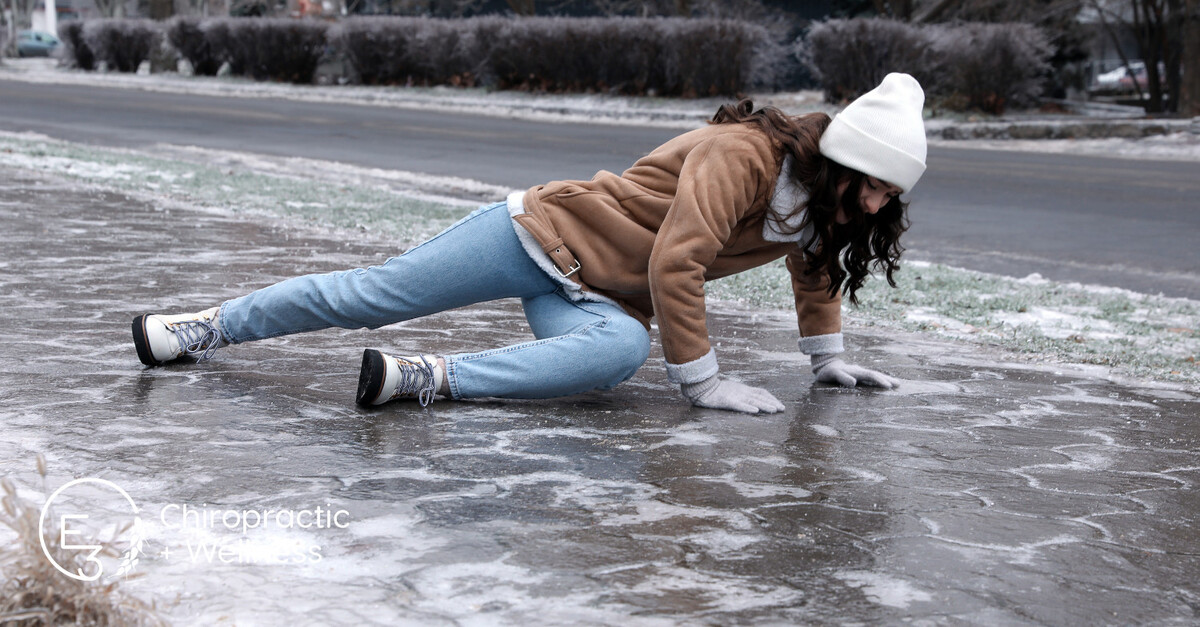
Ice is one of the most familiar substances on Earth. Anyone who lives in a northern climate has walked on it, driven on it and probably fallen on it. Yet ice is also surprisingly mysterious. Scientists are still debating exactly why it is so slippery, and the answer helps explain why winter falls cause so many serious injuries.
Why Is Ice So Slippery?
For more than a century, the common explanation was pressure melting. The idea was that the weight of a skater or walker pressed on the ice, lowering its melting point and creating a thin layer of water that acted as a lubricant.
The problem is that the math does not work. The pressure from a typical person standing on ice is not nearly enough to melt it significantly, especially at very cold temperatures where ice is still slippery.
Scientists now point to other explanations. One is frictional heating: as a shoe or skate slides, friction generates heat that melts a microscopic layer of water. Another is the existence of a quasi-liquid layer, a thin, disordered film of water molecules that exists naturally on the surface of ice even below freezing. Molecules at the surface are less tightly bound than those inside the crystal, making them more mobile and slick.
Recent research suggests the full picture may involve several mechanisms working together. Either way, the result is the same. Ice offers very little grip.
A Matter of Friction
Engineers measure grip using a value called the coefficient of friction. Dry concrete might offer a coefficient around 0.6 or higher for a typical shoe. Wet ice can drop below 0.1.
That difference is enormous. Walking requires friction to push off with each step and to stop the foot from sliding forward when it lands. When friction drops below a certain threshold, the foot slips out, and the body falls with little warning.
The Anatomy of a Fall
Falls on ice tend to happen fast and awkwardly. Because the foot often slides forward, people frequently fall backward, striking their tailbone, back or head. When people fall forward or to the side, they instinctively throw out their hands, which can lead to wrist, elbow and shoulder fractures.
Common winter fall injuries include:
- Wrist fractures, among the most frequent winter injuries seen in emergency rooms
- Hip fractures, especially in older adults
- Spinal injuries and tailbone fractures
- Concussions and traumatic brain injuries
- Torn ligaments and knee injuries
The force of a fall from standing height is often underestimated. A person’s head can hit the ground with enough force to cause a serious brain injury, particularly without anything to break the fall.
Age Changes the Equation
For older adults, falls are especially dangerous. According to the Centers for Disease Control and Prevention, falls are the leading cause of injury-related death among adults 65 and older. Wisconsin has consistently had one of the highest rates of fall deaths among older adults in the country.
Aging bones become more fragile, balance systems decline and reaction times slow. A fall that would bruise a younger person can break a hip in an older one, often leading to surgery, long rehabilitation and a loss of independence.
The Human Factor
Physics explains why ice is slippery. Human choices explain where it remains. Many winter falls happen in places where snow and ice were not cleared, where drainage created refreezing puddles, or where lighting made hazards hard to see.
Parking lots, building entrances, sidewalks and exterior stairs are common locations. Melting snow that drips from roofs and refreezes overnight creates particularly dangerous patches of black ice.
Wisconsin has a safe place statute that requires employers and owners of public buildings to keep them as safe as the nature of the premises reasonably permits. Property owners more broadly are expected to address hazards they know about or should know about within a reasonable time. When they fail to do so and someone is seriously hurt, the injured person may have a claim. People searching for personal injury lawyers near me after a winter fall often find that the key questions involve how long the hazard existed and what the property owner did about it.
Reducing Your Risk
Science also offers practical lessons for staying upright:
- Wear footwear with deep tread or use traction cleats.
- Walk like a penguin: short steps, feet slightly apart, weight centered over your front leg.
- Keep hands free for balance rather than in pockets.
- Use handrails on stairs and ramps.
- Be especially careful stepping out of vehicles and entering buildings.
A Slippery Mystery
It is remarkable that something as common as ice still puzzles physicists. But for the thousands of people injured on it every winter, the more pressing question is not why ice is slippery. It is why dangerous ice was left where people had to walk.







Comment