Birth is one of the most physically demanding events a human body ever experiences. For a few hours, a baby moves from an environment where oxygen arrives through the placenta to one where it must breathe on its own. Most of the time, this transition works remarkably well. But when oxygen flow is interrupted for too long, the consequences can last a lifetime.
The science of what happens to a newborn brain deprived of oxygen has changed dramatically over the past few decades. It has also revealed something surprising: much of the damage does not happen all at once, and that delay has created a narrow window for doctors to intervene.
What Is Hypoxic-Ischemic Encephalopathy?
Hypoxic-ischemic encephalopathy, or HIE, is a type of brain injury caused by reduced oxygen (hypoxia) and reduced blood flow (ischemia) around the time of birth. It can result from problems such as placental abruption, umbilical cord compression or prolapse, uterine rupture, prolonged labor or severe maternal blood loss.
In high-income countries, HIE affects roughly 1 to 3 of every 1,000 full-term births. Outcomes range widely. Some babies recover fully, while others develop cerebral palsy, epilepsy, intellectual disability, vision or hearing loss, or other lifelong challenges.
Brain Injury in Two Waves
For years, doctors assumed that brain damage from oxygen deprivation happened during the event itself. Research beginning in the 1990s showed a more complicated picture.
The first wave, called primary energy failure, occurs during the oxygen shortage. Brain cells cannot produce enough energy, and some die quickly. Then, after oxygen and blood flow are restored, many cells appear to recover. This latent phase typically lasts about six hours.
What follows is the second wave, known as secondary energy failure. Over the next hours and days, a cascade of harmful processes unfolds. Cells release excitatory chemicals that overstimulate their neighbors. Inflammation increases. Mitochondria, the energy factories of cells, begin to fail. Many brain cells enter a programmed self-destruction process. Much of the permanent damage in HIE happens during this second phase, not during the original event.
Why Cooling Works
The discovery of this delayed injury opened the door to treatment. If damage continues after birth, then something might be done to slow it.
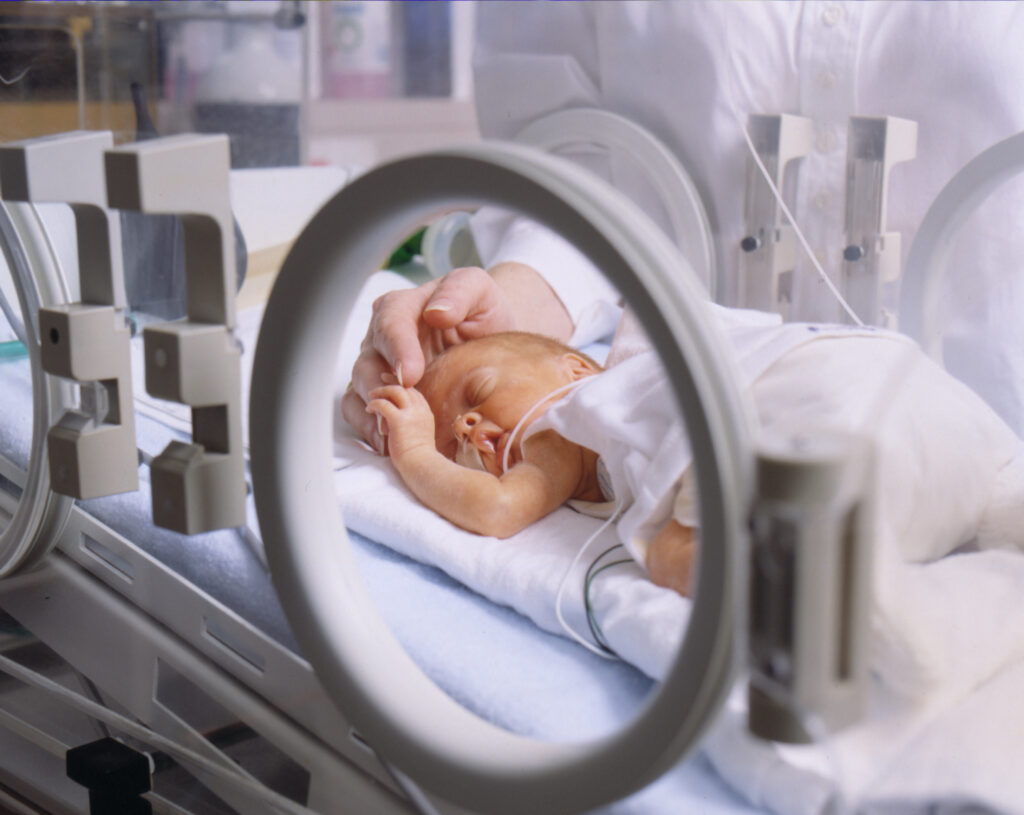
That something turned out to be cold. Therapeutic hypothermia, commonly called cooling therapy, lowers a newborn’s body temperature to about 33.5 degrees Celsius for 72 hours, then gradually rewarms the baby. Cooling slows the brain’s metabolism, reduces the release of damaging chemicals and dampens inflammation.
Large clinical trials found that cooling significantly reduces the risk of death or major disability in babies with moderate to severe HIE. It has become the standard of care in hospitals with neonatal intensive care units. Follow-up studies of children treated with cooling have generally confirmed that the benefits last well beyond infancy.
There is a catch. Cooling works best when it begins within six hours of birth, during the latent phase before secondary energy failure takes hold. After that window, its benefits appear to drop sharply.
A Race Against the Clock
The six-hour window means that recognizing HIE quickly is essential. Signs may include a low Apgar score, a need for resuscitation, poor muscle tone, weak reflexes, breathing difficulties, seizures or abnormal blood gas results showing high acid levels.
Hospitals without neonatal intensive care units must identify eligible babies and arrange transfer to a cooling center fast. Delays in diagnosis, testing or transport can mean the difference between treatment starting in time and missing the window altogether.
Equally important is what happens before birth. Continuous fetal heart monitoring is designed to detect signs that a baby is not tolerating labor. When warning signs appear, timely decisions about intervention, including emergency cesarean delivery, can prevent or limit oxygen deprivation in the first place.
When Science Meets Accountability
Advances in neonatal medicine have raised expectations. Because providers now understand how HIE develops and how to respond, failing to recognize fetal distress, delaying delivery or missing the cooling window can have lasting consequences for a child and family.
Families who suspect that a preventable delay contributed to their child’s injury often have questions that only a detailed review of medical records can answer. That is where birth injury attorneys in Baltimore often work with neonatologists and obstetric experts to examine monitoring strips, timelines and treatment decisions.
The Promise of Future Research
Cooling therapy is not a cure. Many babies still experience significant disabilities despite treatment. Researchers are now studying additional therapies, including medications, stem cell approaches and combination treatments, that might further protect the newborn brain.
The broader lesson is that the brain’s injury process is not always instant. Sometimes it unfolds over hours. That understanding has already saved lives and reduced disability for thousands of children, and it continues to reshape what doctors, and families, expect in the critical minutes and hours after birth.