Annual employee surveys can reveal important patterns, yet they arrive with a timing problem. A team can change managers, lose several employees, absorb a difficult client account, or struggle through a new process months before the next company-wide questionnaire appears. By the time leaders review the results, the conditions that produced them may already have changed. Employees may also struggle to recall which events shaped an answer they gave weeks earlier.
Continuous feedback shortens that gap. For organizations moving toward this model, services like the Crewhu employee engagement platform can provide a structured way to collect shorter, more frequent signals about workload, recognition, management, communication, and team experience. The value comes from identifying specific issues early, discussing them with the people closest to the work, and checking what happens after leaders respond.
Annual Surveys Often Arrive After the Problem Has Changed
A yearly survey gives leaders a broad snapshot, which can support long-range planning. Problems appear when organizations treat that snapshot as their primary source of employee feedback. Twelve months is a long interval inside a team. Reporting lines change, new tools arrive, priorities shift, and periods of heavy workload can come and go between survey cycles.
Timing also affects memory. Employees often answer broad questions through the lens of recent experiences. A difficult quarter can influence their view of the entire year, while a serious problem from six months earlier may receive little attention once it fades. Shorter pulse surveys can ask about a particular period or event while the experience remains recent enough for employees to describe it accurately.
Frequent feedback does not require frequent long questionnaires. A few focused questions can provide more actionable information than repeatedly asking employees to rate every part of the organization. One pulse might cover workload. Another could examine manager support, role clarity, recognition, meeting quality, or a recent policy change. The shorter format reduces effort and makes each survey easier to connect with a specific management decision.
Team-Level Signals Give Managers Something They Can Use
Company averages can hide very different employee experiences. An organization may receive a strong overall score for communication while one department struggles with unclear priorities and another receives timely information from its manager. The company figure looks healthy even though one team has a genuine operating problem.
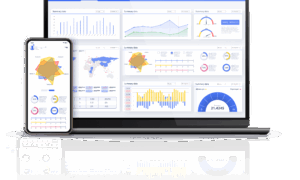
Continuous feedback platforms can make trends visible at a smaller organizational level when privacy rules and group sizes allow it. A manager may notice that role clarity has declined for several weeks after a reorganization or that workload concerns increased during a major delivery period. That signal gives the manager a reason to investigate while the situation is still current.
Numbers still need conversation. A lower score cannot explain its own cause. Employees may be reacting to staffing, deadlines, poor tools, conflicting instructions, or decisions outside the manager’s control. The data should point toward a discussion rather than act as a verdict. A focused team conversation can often reveal what the score alone cannot.
Feedback Creates Value Only When Employees See a Response
Employees learn quickly what happens after they submit feedback. If leaders collect responses and nothing visible follows, participation can become mechanical. People may continue completing surveys for a while, yet comments become shorter and employees begin assuming that their input disappears into a report.
A useful feedback cycle closes the loop. Leaders can summarize what they heard, identify one or two issues they can address, and explain why certain requests cannot move forward. Responding does not require granting every suggestion. Employees need evidence that someone reviewed their input, considered the issue, and made a decision.
Small actions often carry more credibility than ambitious promises. A team frustrated by unnecessary status meetings might test a reduced meeting schedule for a month. Employees reporting unclear priorities may need a simpler weekly planning process. When managers connect an action with recent feedback and later ask if the change helped, employee listening becomes part of normal team management.
Anonymity and Trust Need Deliberate Rules
Continuous feedback can create anxiety if employees suspect that managers can trace every critical comment back to an individual. People may soften their responses, avoid sensitive subjects, or stop participating. The risk rises in small teams, where context can sometimes reveal a writer even when the survey removes their name.
Organizations should explain how anonymity works, who can view raw comments, and the minimum group size required before results appear. They also need rules for comments involving personal accusations, confidential information, discrimination, harassment, safety concerns, or other issues that require a separate reporting process. Clear boundaries help employees know what the survey can protect and when another channel is more appropriate.
Managers need discipline in how they respond to criticism. Trying to identify the author of a negative comment can damage trust across the entire team. A stronger response examines the issue itself. If an employee says priorities change too frequently, the manager can review recent planning decisions and discuss the pattern with the group without searching for the person who wrote the comment.
Continuous listening also needs limits. Employees should not have to rate their mood every day or explain every minor frustration. The collection schedule should match the speed at which the organization can realistically review and respond to feedback. Gathering information faster than leaders can act on it creates more survey activity without improving work.
Survey Fatigue Usually Points to a Design Problem
When response rates decline, organizations sometimes send more reminders. That approach treats the visible symptom while leaving the cause untouched. Employees may ignore surveys because the questions repeat too often, take too long, feel disconnected from their jobs, or produce no visible action.
Good survey design respects employee time. Every question should have a clear purpose and connect with a decision someone can make. If leadership cannot explain how an answer could affect a discussion or action, the question may add little value. Rotating topics can keep each pulse focused without asking every employee about every subject in every cycle.
Open comments need similar restraint. Written responses can reveal issues that rating scales miss, but asking for an explanation after every question increases effort quickly. One carefully chosen comment prompt may provide enough context for a short pulse. Managers can explore important themes later through team meetings, one-to-one conversations, or focused follow-up questions.
Organizations should also retire measures that no longer help decisions. Dashboards can accumulate dozens of scores simply because software makes them easy to collect. More metrics do not automatically create better management. A smaller set of stable indicators, paired with occasional topic-specific questions, gives leaders a clearer view of changes that deserve attention.
Continuous Feedback Changes Performance Conversations
Traditional performance discussions tend to focus on the individual employee: goals, output, strengths, development needs, and review ratings. Team feedback adds another source of context. It can show when several employees struggle with the same obstacle, which may point toward a process or management problem rather than several unrelated performance failures.
For example, slower project delivery may initially look like an execution problem. If feedback from the same period shows widespread confusion around priorities and frequent last-minute changes, leaders have another explanation to investigate. That information does not excuse weak performance automatically. It helps managers ask better questions before assigning the cause to individuals.
Feedback trends can also help managers examine their own practices. If a team repeatedly reports weak recognition, unclear expectations, or poor access to decisions, the manager has a pattern to review. After changing a process, later pulses can show if employee experience moved in the expected direction. This creates a more evidence-based management cycle without turning sentiment scores into automatic judgments about a manager’s performance.
Annual surveys still have a place. They can provide broad benchmarks, support organization-level comparisons, and give employees space to reflect on larger themes. Their limitation appears when leaders expect one large questionnaire to carry the full burden of employee listening for an entire year.
Continuous feedback adds a faster layer. Short pulses, sensible privacy rules, visible follow-up, and careful use of team-level data give managers information while there is still time to respond. The software makes collection and reporting easier. The larger performance gain comes from what leaders do with the answers once they have them.