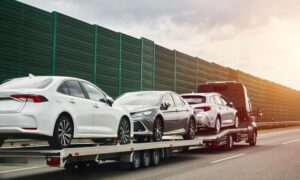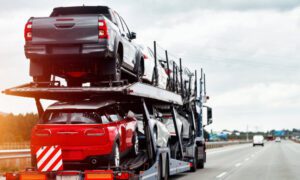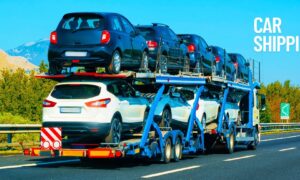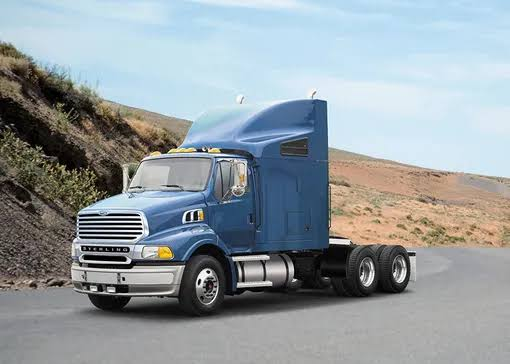
Open car shipping is the method behind the overwhelming majority of vehicle transport in the U.S. – the multi-deck carriers seen hauling a dozen cars down the highway. It’s efficient, widely available, and the most cost-effective option on the market, but pricing, timelines, and insurance coverage all vary more than most first-time shippers expect. Here’s what actually determines the cost, how long the process realistically takes, and what’s covered if something goes wrong along the way.
How Open Car Shipping Works
The Equipment
- Multi-car open trailer: typically transports 8–10 vehicles on two decks, no side walls or roof
- Single-car open trailer: less common, used when a full multi-car load is not practical
Vehicles are secured with ratchet-mechanism wheel straps and are exposed to weather and road debris during transit. This is the same method car dealerships use to receive new inventory from manufacturers.
The Booking Process
Booking open car shipping follows a fairly consistent sequence regardless of which broker or carrier you use. Here’s what to expect at each stage, from requesting a quote to signing off on delivery.
| Step | What Happens | Typical Timeframe |
| 1. Get quotes | Request rates from brokers or comparison platforms | Same day |
| 2. Book and pay deposit | Lock in a rate; deposit usually $100–$200 | Day 1 |
| 3. Carrier assignment | Broker dispatches to available carrier network | 1–5 business days |
| 4. Pickup scheduling | Carrier contacts you directly to confirm window | 1–3 days before pickup |
| 5. Vehicle inspection & pickup | BOL signed, vehicle loaded | Day of pickup |
| 6. Transit | Vehicle moves with other cars on carrier route | 2–8 days depending on distance |
| 7. Delivery & final inspection | BOL signed, balance payment due | End of transit |
Open Car Shipping Costs by Route (2026)
Pricing varies by distance, vehicle type, and season, but real-world rates on common routes give a useful benchmark for what to expect. The figures below reflect standard sedan pricing for 2026 – SUVs and full-size trucks typically run $100–$250 higher.
| Route | Distance | Avg. Cost Range (2026) |
| New York → Florida | ~1,150 mi | $879–$1,363 |
| California → New York | ~2,800 mi | $1,100–$1,600 |
| Texas → California | ~1,400 mi | $825–$1,175 |
| Florida → Illinois | ~1,200 mi | $800–$1,100 |
| Nebraska → Texas | ~900 mi | $764–$1,089 |
| Texas → Florida | ~1,180 mi | $675–$950 |
| Washington → Arizona | ~1,400 mi | $850–$1,250 |
Standard sedan baseline. Add $100–$250 for SUVs and full-size trucks.
Open vs. Enclosed Car Shipping
Choosing between open and enclosed transport comes down to a straightforward tradeoff: cost versus protection. The table below breaks down how the two methods compare across the factors that matter most when deciding.
| Factor | Open Shipping | Enclosed Shipping |
| Cost | Baseline (1x) | +50–70% premium |
| Weather protection | None – exposed to elements | Full protection from rain, snow, debris |
| Availability | High – most carriers run open | Lower – fewer enclosed carriers on most routes |
| Best for | Standard production vehicles | Classic cars, luxury, low-clearance, high value |
When to Choose Enclosed Instead
- Your vehicle is worth over $80,000–$100,000
- You are shipping a classic or collector car where cosmetic condition is critical
- The vehicle has very low ground clearance
- Shipping in winter to or from regions with heavy road salt exposure
Not sure which option fits your situation? Comparing real quotes for both open and enclosed transport side by side – something Compare The Carrier makes easy – takes the guesswork out of the decision before you commit to either method.
What Open Shipping Does Not Cover
- Pre-existing damage not noted on the BOL – photograph everything before pickup
- Environmental exposure (rain, road salt, bird droppings, tree sap) – not covered as damage claims
- Personal items left inside the vehicle
- Loose accessories or electronic equipment
Seasonal Price Fluctuations
Open car shipping rates are not static year-round. Demand shifts predictably by season, and pricing follows.
| Season | Demand Pattern | Price Impact |
| Winter (Nov–Feb) | High demand on southbound routes (snowbird migration) | +10–20% on routes to FL, AZ, TX |
| Spring (Mar–May) | Moderate, steady demand | Baseline pricing |
| Summer (Jun–Aug) | Peak overall shipping volume, moving season | +5–15% across most routes |
| Fall (Sep–Oct) | Lowest demand period | Often the best rates of the year |
Routes running opposite the seasonal migration pattern – for example, northbound in early winter – sometimes see lower rates, since carriers are eager to fill capacity heading back in that direction after dropping off southbound loads.
How to Get the Best Price on Open Car Shipping
Flexible Dates Win
If you can be available for a 3–5 day pickup window instead of a single specific date, you are more likely to get a competitive rate and faster assignment. Being inflexible about pickup date often means paying a premium.
Compare Multiple Quotes
Open shipping prices vary significantly across the carrier network for the same route – a $200-$300 spread for identical addresses is common. Using a comparison tool for open car shipping on Compare The Carrier surfaces real carrier rates simultaneously so you can make an informed decision without spending hours on the phone.
Open Car Shipping for Dealerships and Fleet Accounts
| Volume Level | Vehicles/Month | Typical Discount |
| Occasional | 1-3 | Standard market rate |
| Regular | 4-10 | 5–10% below spot rate |
| High volume | 10+ | Negotiated contract rates |
Inspection Best Practices for Open Shipping
Before Pickup
- Wash the vehicle so pre-existing damage is clearly visible
- Take dated photos of all four sides, front grille, rear bumper, and roof
- Note every chip, scratch, or dent on the BOL before signing
- Remove all personal items from cabin and trunk
- Fuel level at or below 1/4 tank; tires properly inflated
At Delivery
- Inspect before signing the delivery BOL
- Compare condition to your pickup photos
- If new damage is present, note it before signing and photograph immediately
- Contact the carrier and broker in writing within 24 hours if damage is discovered
Broker vs. Direct Carrier Booking
Most open car shipping is arranged through a broker rather than booked directly with a carrier, and understanding the difference affects both pricing and expectations.
| Booking Through a Broker | Booking Directly with a Carrier | |
| Access to trucks | Wide network, multiple carriers | Limited to that one company’s fleet |
| Pricing flexibility | Rates can shift as carriers bid on the load | Fixed quote from a single provider |
| Best for | Most routes, especially less common ones | High-volume, predictable corridors |
| Typical use case | Standard consumer shipments | Dealerships, fleet accounts |
Brokers dominate the open shipping market because they can match a shipment to whichever carrier has space on that specific route at that specific time – which is usually what keeps prices competitive on routes without dedicated, high-volume traffic.
Open Car Shipping – Common Questions
| Question | Answer |
| Will my car get dirty during transit? | Yes – dust, road grime, and bugs are normal. Not covered as damage. |
| Can I ship a car that does not run? | Yes, but disclose at booking – inoperable vehicles need winch loading. |
| Is my car insured? | Yes – carrier cargo insurance covers mechanical damage from transit. Get the COI. |
| How many cars ship on an open carrier? | Typically 8–10 vehicles on a standard multi-car trailer. |
| What if it rains during transit? | Normal exposure to weather is expected and not covered as a damage claim. |