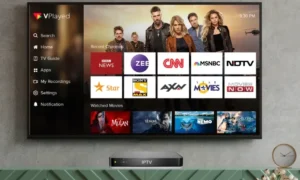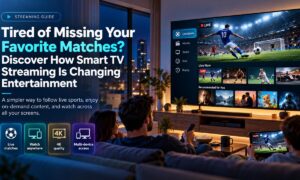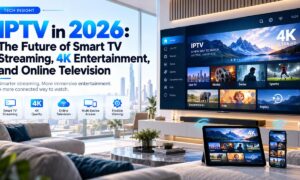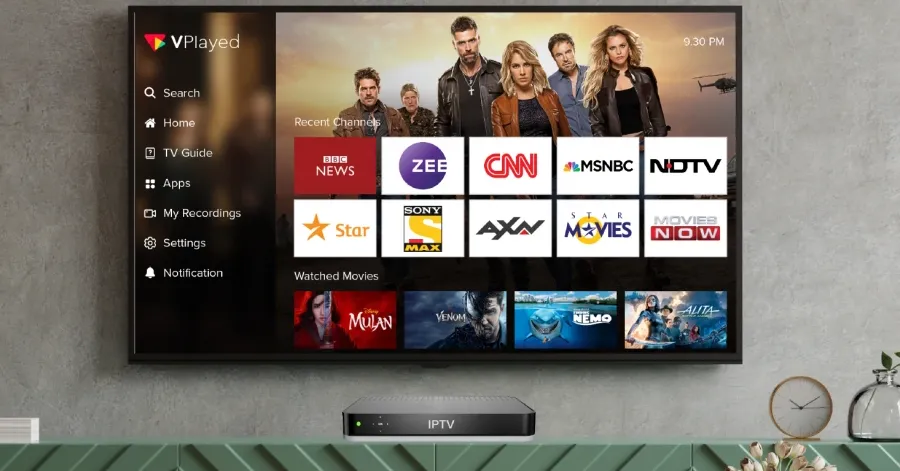
Television has changed dramatically with the growth of internet streaming. Cable and satellite are no longer the only ways to watch live channels, sports, movies, and news. Today, IPTV service providers deliver television content through Internet Protocol (IP) networks, so viewers can watch on smart TVs, phones, tablets, and computers.
Choosing the right IPTV subscription service can make a big difference in your viewing experience. Streaming quality, channel selection, device compatibility, and customer support all matter. In this guide, you will learn how IPTV works, which features to compare, and how to choose a reliable provider.
What Is an IPTV Subscription Service?
An IPTV subscription service delivers television programming over the internet instead of through traditional terrestrial, cable, or satellite broadcasting. Depending on the provider, viewers may get live channels, video-on-demand (VOD) libraries, and catch-up TV.
The content reaches compatible devices such as:
- Smart TVs
- Smartphones and tablets
- Computers
- Streaming boxes and media players
Not every platform is the same. Some focus on live TV, while others specialize in movies, series, or individual networks. Comparing these differences is the first step toward choosing well.
How Do IPTV Service Providers Work?
When you select a channel or video, the platform connects to its streaming infrastructure and sends the content to your device. The process usually involves five components:
- Content acquisition: Providers obtain programming from licensed broadcasters, studios, and distributors.
- Delivery infrastructure: Streaming servers and content delivery networks (CDNs) distribute the video.
- Internet connectivity: Your connection carries the stream to your device.
- Playback software: An app decodes the stream and displays it.
- Subscription management: Your account controls access to channels, on-demand content, and settings.
The final quality depends on the provider’s infrastructure, your internet speed, your device, and the stream itself.
Key Features to Look for in IPTV Service Providers
Look beyond promotional claims and focus on the features that affect everyday viewing.
1. Reliable Streaming Performance
Frequent buffering, frozen screens, and sudden disconnections ruin the experience. Test any service during the hours you normally watch, since evenings and major live events put more load on streaming systems.
2. HD, Full HD, and 4K Quality
Resolution affects clarity, especially on larger screens.
- HD: Suitable for everyday viewing.
- Full HD (1080p): More detail than standard HD.
- 4K Ultra HD: The highest detail, when the source content and your display support it.
Resolution alone does not guarantee a good picture. Compression, source quality, frame rate, and connection stability also play a role.
3. Live TV Channels and Content Variety
The number of channels matters less than whether the programming fits your interests. Common categories include news, entertainment, movies, sports, documentaries, children’s programs, and international channels. Always check that the provider carries the specific channels you want, as availability varies by country and licensing.
4. Video-on-Demand Libraries
A good VOD library has clear categories, search, accurate descriptions, and regular updates. Library size alone is not a quality measure. Playback performance, language options, and proper distribution rights matter just as much.
5. Device Compatibility
Confirm that the provider supports your devices before paying. Common options include:
- Smart TVs with compatible apps
- Android TV and Google TV
- Apple TV, iPhone, and iPad
- Windows and macOS computers
- Compatible streaming boxes
Also review account limits and simultaneous-stream restrictions.
6. Electronic Program Guide (EPG)
An EPG shows schedules, program titles, and descriptions. A regularly updated guide makes live TV much easier to navigate.
7. Customer Support
Look for a help center, email support, or live chat, plus setup guides and troubleshooting articles. Clear communication about billing, renewals, and service limits is a good sign.
How to Choose the Right IPTV Subscription Service
Identify Your Entertainment Needs
A sports fan may prioritize licensed live sports. A family may need children’s content and several simultaneous streams. A movie lover may prefer an on-demand platform. Knowing your priorities helps you avoid paying for features you will not use.
Compare Plans and Pricing
Review the full cost, not just the advertised monthly rate. Ask yourself:
- Is billing monthly, annual, or another schedule?
- Are taxes or extra fees added?
- Does the plan include the channels and on-demand content I want?
- How many devices are supported?
- Is there a trial period?
- What are the cancellation and refund terms?
- Does the subscription renew automatically?
A low introductory price is not good value if the service has strict conditions or lacks the content you need.
Verify Content Licensing
A legitimate provider must have authorization to distribute its channels, films, and sports. Be cautious of services that promise every premium channel worldwide at an unusually low price.
Common warning signs include:
- Anonymous operators or missing company information
- Requests to install unknown apps
- Suspicious payment methods
- No clear subscription terms
Choosing a licensed provider supports content creators and lowers your security risks.
Check Your Internet Speed
Required bandwidth depends on resolution, compression, and the number of simultaneous streams.
| Video Quality | Approximate Speed Per Stream |
| HD | 5–10 Mbps |
| Full HD (1080p) | 10–15 Mbps |
| 4K Ultra HD | 15–25 Mbps or more |
These are estimates, so always check the platform’s own recommendations. For better reliability, place your router near the TV, use wired Ethernet when possible, and limit other heavy network activity.
IPTV Subscription Services on Different Devices
- Smart TVs: Verify the operating system, app availability, and supported formats. Older TVs may need an external streaming device.
- Android TV and Google TV: Install apps only from trusted sources and confirm official support.
- Apple TV: Check for an officially supported app and regional channel availability.
- Smartphones and tablets: Keep data usage and battery life in mind, since high-resolution streaming over mobile networks can use a lot of data.
- Computers: Check browser compatibility, account security, and any restrictions on viewing outside your home country.
IPTV vs. Traditional Cable and Satellite TV
| Feature | IPTV Subscription | Cable or Satellite TV |
| Delivery method | Internet-based network | Cable infrastructure or satellite |
| Internet connection | Generally required | Not always required |
| Device flexibility | Depends on provider | Often tied to provider equipment |
| On-demand content | May be included | Depends on package |
| Installation | Compatible device and internet | May need equipment or installation |
| Pricing | Varies by plan | Varies by plan |
Neither option is better for everyone. IPTV offers more device flexibility, while cable or satellite may suit areas with unreliable internet.
Common IPTV Problems and How to Fix Them
Buffering: Check your connection, restart the router, close bandwidth-heavy apps, and test another device. If the problem continues everywhere, contact the provider.
Channels not loading: Verify your subscription status, check service announcements, update the app from an official source, and confirm the content is available in your region.
Poor video quality: Test your speed, review the app’s video settings, and try a wired connection.
App compatibility issues: Updates to your operating system can break older apps. Check the provider’s compatibility list and install updates from trusted sources.
IPTV Security and Privacy Tips
Providers may handle your billing details, viewing preferences, and device data, so protect yourself:
- Use a strong, unique password.
- Pay through trustworthy payment channels.
- Avoid unknown apps and suspicious install files.
- Keep devices and apps updated.
- Review the privacy policy and auto-renewal settings.
- Avoid providers that ask for unnecessary personal information.
Questions to Ask Before Buying an IPTV Subscription
- Does it offer the channels I want? Confirm specific channels instead of trusting broad claims.
- Does it work on my device? Check the official compatibility information.
- Is the provider authorized to distribute its content? Look for transparent business information.
- What happens if the service stops working? Review support options and policies.
- Can I cancel easily? Understand renewal and refund terms first.
- How many simultaneous streams are allowed? This matters for households with several viewers.
The Future of IPTV Service Providers
Internet television keeps evolving with faster broadband, smarter TVs, and better video compression. Viewers increasingly expect personalized recommendations, easy search, transparent pricing, reliable playback, and stronger privacy protection.
For IPTV service providers, earning trust takes more than a long channel list. It takes consistent quality, respect for licensing, clear communication, and responsive support. Viewers who understand these priorities can evaluate any new IPTV subscription service more confidently.
Frequently Asked Questions About IPTV Service Providers
What are IPTV service providers?
IPTV service providers are companies that deliver television channels and on-demand content over internet networks instead of traditional cable or satellite.
How do I choose the best IPTV subscription service?
Compare streaming reliability, channel selection, device compatibility, pricing, customer support, and content licensing. Use a trial period when available.
How much internet speed do I need for IPTV?
Roughly 5–10 Mbps for HD and 15–25 Mbps or more for 4K per stream, depending on the platform and encoding quality.
Is IPTV better than cable TV?
It depends. IPTV offers more device flexibility, while cable can work better where internet access is unreliable.
Can I watch IPTV on a Smart TV?
Yes, many services support Smart TVs, but confirm that the provider’s app works with your specific model.
How can I tell if an IPTV provider is legitimate?
Look for clear company information, transparent terms, secure payment options, official apps, and proper content licensing.
Conclusion: Finding the Best IPTV Subscription Service
Choosing among IPTV service providers means evaluating streaming reliability, picture quality, content selection, device compatibility, cost, support, and licensing. Do not decide based only on channel count or the lowest price.
Compare providers against your real viewing needs, check the essentials before subscribing, and you will get a flexible, reliable television experience that fits your household.