
Fahad Riaz Entered Trading as a Client Before He Built Milele Prime

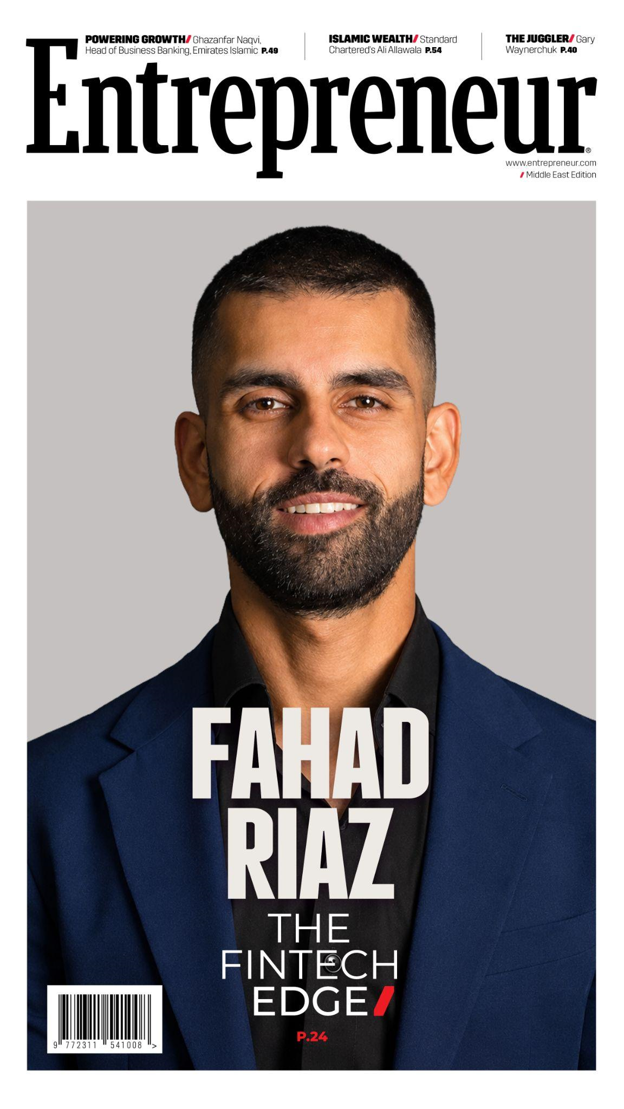
Fahad Riaz did not first encounter the trading industry through a business plan. He encountered it through necessity. As a large car importer, he regularly bought and sold currencies and used hedging as part of commercial activity. The experience placed him on the client side of financial markets long before he founded Milele Prime.
That starting point shaped the brokerage he later chose to build. Riaz had already felt how execution quality and pricing feeds could affect an ordinary client. He saw gaps between what a market promised and what users experienced. The concerns were not abstract. They appeared inside real decisions involving currency exposure and a business that depended on international trade.
“I saw the industry as a client before I saw it as a founder. That changed the questions I asked,” Riaz says.
Clients usually meet a broker at the interface. They see prices, place instructions and receive a result. Much of the machinery behind that sequence remains invisible. Riaz became interested in the gap between what the client assumes is happening and what may actually shape the final experience.
Execution was one part of that gap. A trading platform is not valuable simply because an order can be entered. The quality of the outcome matters. So does the consistency of the process. For a commercial client managing currencies, small differences can carry real consequences. That made execution the product in Riaz’s mind, not a technical feature buried behind it.
Pricing feeds raised another question. Many users see a number on a screen and treat it as neutral. Riaz learned that the quality of the feed deserves attention. A client should not need to become an industry specialist to expect fair treatment, but a responsible platform should help that client understand the environment in which decisions are being made.
This is where the educational purpose of Milele Prime began. Riaz did not want to create a brokerage that only enabled activity. He wanted clients to learn how financial markets work while they trade. The aim is to reduce the distance between the platform and the person using it.
His own learning did not stop with the client experience. Riaz approached the brokerage industry from the beginning, speaking to many people and studying the practices that can disadvantage users. He says he became obsessed with understanding how the market worked before deciding how Milele Prime should operate.
That process gave the origin story two stages. First came exposure. Currency buying, selling and hedging revealed the problem from the outside. Then came investigation. Riaz looked inside the industry to understand why those problems existed and which practices a new company could remove.
Milele Prime now operates under regulation across several jurisdictions. The brokerage has a licence in Mauritius and is CMA regulated in the UAE. For Riaz, this oversight sits beside the operating choices that determine how a client is treated from one interaction to the next.
The founder’s perspective remains important because it keeps the product question grounded. A broker may describe its capabilities in technical language. A client asks something simpler. Was the experience fair? Was the result clear? Did the platform help the user make sense of what happened?
Riaz wants Milele Prime to answer those questions through both execution and education. The two are connected. Fair execution affects the immediate transaction. Better understanding affects every decision a client makes afterwards. A platform that addresses only one side leaves part of the relationship incomplete.
There is a wider founder lesson in this journey. Some companies begin when an entrepreneur identifies a trend. Others begin when the entrepreneur has lived with the problem as a customer. The second path does not automatically create a better solution, but it can reveal details that are easy to miss from a boardroom.
Lived experience is most useful when it becomes a disciplined design question. Riaz could not assume that his own frustration represented every client. He had to examine the systems, listen to other participants and decide which problems were structural. That movement from personal concern to wider investigation is what gives the origin story weight. The client experience created urgency. Research prevented the response from being limited to one person’s assumptions.
Riaz’s experience as an importer gave him a reason to pay attention. His later study gave him a framework for action. Milele Prime is the result of combining those two views, the client who felt the weakness and the founder who decided to build around it.
The story is still being tested in the market. Clients will decide whether the brokerage delivers the fairness and understanding it promises. Yet the origin remains clear. Milele Prime was not created because Fahad Riaz was unfamiliar with trading. It was created because he had already experienced enough of the industry to believe it should work differently.
Readers can learn more at www.mileleprime.com.
Further information: fahadriaz.com | mileleprime.com | milele.com






Comment