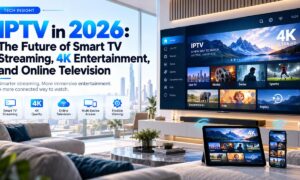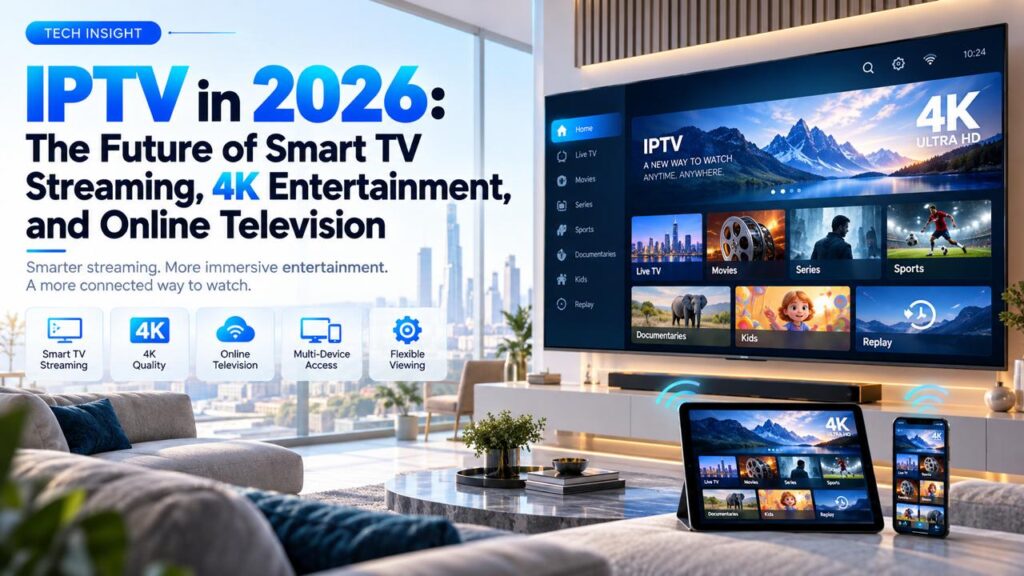
The way people watch television has changed significantly over the last few years. Traditional cable and satellite TV are no longer the only options for enjoying movies, television shows, live sports, and international channels. With faster internet connections and the growing popularity of smart TVs, online streaming has become an important part of everyday entertainment.
In 2026, viewers are looking for more flexible ways to watch their favorite content without complicated installations or unnecessary expenses. This has increased interest in internet-based television, high-quality video streaming, and applications that make entertainment easier to access.
Whether someone enjoys watching live television, catching up on popular shows, or discovering international entertainment, understanding the latest streaming trends can help them make better choices.
What Is IPTV and Why Is It Becoming Popular?
IPTV stands for Internet Protocol Television. In simple words, it is a method of delivering television content through an internet connection instead of relying entirely on traditional cable or satellite signals.
This technology gives viewers another way to access live television channels and video-on-demand content through compatible devices and authorized services.
One of the main reasons for its popularity is convenience. People already use the internet for shopping, communication, education, and entertainment. Watching television online is a natural extension of these daily activities.
Another advantage is flexibility. Depending on the service and device, viewers may be able to watch content on a smart TV, smartphone, tablet, computer, or streaming device.
As entertainment habits continue to evolve, internet-based television is becoming an increasingly important part of the digital viewing experience.
1. Smart TVs Are Changing the Way People Watch Television
Smart TVs have made online entertainment more accessible than ever. Instead of connecting multiple devices or installing complicated equipment, users can often open streaming applications directly from their television.
This makes it easier for families to watch movies together, enjoy television programs, and explore different entertainment options from their living rooms.
The growth of connected television is also an important industry trend. According to the Ormax OTT Audience Report 2026, India’s connected-TV audience reached an estimated 206.9 million, representing a 60% increase compared with 2025.
This growth highlights the increasing importance of television screens in an entertainment market that was once heavily associated with smartphones.
For viewers, the main priority is finding compatible applications and reliable services that work smoothly with their existing devices.
2. 4K Streaming and Better Picture Quality
Picture quality is another major factor influencing modern streaming choices. Many viewers now look for Full HD and 4K content to enjoy sharper images, clearer details, and a more immersive experience.
4K resolution offers four times as many pixels as Full HD. When content is produced and delivered in genuine 4K, the difference can be particularly noticeable on larger television screens.
However, resolution is only one part of the experience. Internet speed, video compression, device compatibility, and the quality of the original content can also affect playback.
A fast and stable internet connection can help reduce interruptions, while a compatible television makes it possible to enjoy the picture quality supported by the content and service.
Before choosing a streaming package, viewers should check whether its advertised resolution is genuinely available for the channels or programs they want to watch.
3. Streaming Applications Make Entertainment Easier to Manage
Another popular trend is the use of applications that organize television content in one convenient interface.
Instead of navigating through complicated menus, viewers often prefer simple layouts that help them find channels, browse categories, and manage their viewing preferences.
IPTV Smarters Pro is an example of an application name that viewers may encounter when exploring internet television options. Applications in this category can provide a viewing interface for compatible services, depending on the device, app version, and supported connection method.
It is important to understand that a player application and a television content provider are not necessarily the same thing. An application may organize or play compatible streams, while access to the actual television channels depends on the content service being used.
Users should therefore check device compatibility, available features, and the reliability of their chosen provider before getting started.
4. Watching Entertainment Across Multiple Devices
Modern viewers do not always watch television in one place. Someone might watch a program on a smartphone while travelling and later continue watching entertainment on a television at home.
Multi-device viewing has become an important consideration when selecting digital entertainment services.
However, device support varies between applications and providers. Some services allow multiple devices but restrict simultaneous streams, while others require separate subscriptions or accounts.
Before choosing a service, it is worth checking whether it supports the devices already available in your household.
A compatible setup can make entertainment more convenient without requiring viewers to purchase unnecessary equipment.
5. Affordable Streaming and the Search for Better Value
As more entertainment platforms introduce subscription plans, managing monthly costs has become a concern for many households.
Paying for several services can become expensive, particularly when each platform offers different movies, television shows, and live events.
For this reason, viewers are increasingly comparing subscription prices, content libraries, and viewing features before making a decision.
A practical approach is to list the content you watch most frequently and choose services that meet those needs. Free, advertising-supported platforms and official broadcaster applications may also provide useful alternatives.
When comparing internet television services, avoid judging value only by the number of advertised channels. Reliability, picture quality, customer support, transparent pricing, and legal access to content are equally important.
A reasonably priced service that consistently delivers the programs you enjoy may offer better value than a much larger package with unreliable playback.
6. Internet Speed and Buffer-Free Streaming
Even the best television application cannot guarantee smooth playback when the internet connection is unstable.
Buffering may occur because of weak Wi-Fi signals, network congestion, limited bandwidth, overloaded streaming servers, or problems with the source itself.
There are several simple ways to improve the experience:
- Use a stable broadband connection whenever possible.
- Place your Wi-Fi router in a suitable location.
- Connect your television directly to the router using Ethernet if practical.
- Close applications that are consuming unnecessary bandwidth.
- Check the recommended internet speed for your chosen video quality.
- Keep your streaming application and device software updated.
For high-resolution content, a faster and more stable connection is generally beneficial. The actual bandwidth required depends on the video format, compression, and streaming service.
These basic steps can help users identify common problems before assuming that their television or application needs replacing.
7. Is Internet Television Legal and Safe?
Legality is an important consideration when choosing an online television service.
The technology used to deliver television over the internet is not inherently illegal. However, the legality of a particular service depends on whether it has the necessary rights and permissions to distribute its content in the relevant region.
Viewers should choose reputable providers that clearly explain their subscriptions, pricing, and content offerings.
It is also sensible to avoid applications or websites that request unnecessary personal information, demand suspicious payments, or promise access to every premium channel at an unusually low price without explaining their licensing arrangements.
Use strong passwords, download applications from trusted sources, and review payment and cancellation terms before subscribing.
Taking these precautions can help protect both personal information and the overall viewing experience.
Conclusion
Online television continues to develop as viewers look for greater convenience, better picture quality, and more flexible entertainment options. Smart TVs, 4K streaming, multi-device access, and easy-to-use applications are all contributing to this changing landscape.
However, the best streaming experience is not simply about having access to more channels. It also depends on a stable internet connection, compatible devices, transparent pricing, reliable playback, and properly licensed content.
By understanding these factors, viewers can make informed decisions and build an entertainment setup that suits their preferences and budget.
As digital entertainment continues to evolve, staying informed about new technologies and choosing trustworthy services will remain essential for enjoying television in a convenient and responsible way.