
From Kilimanjaro to Zanzibar: Exploring Tanzania’s Mountains, Wildlife, National Parks, and Coastal Culture

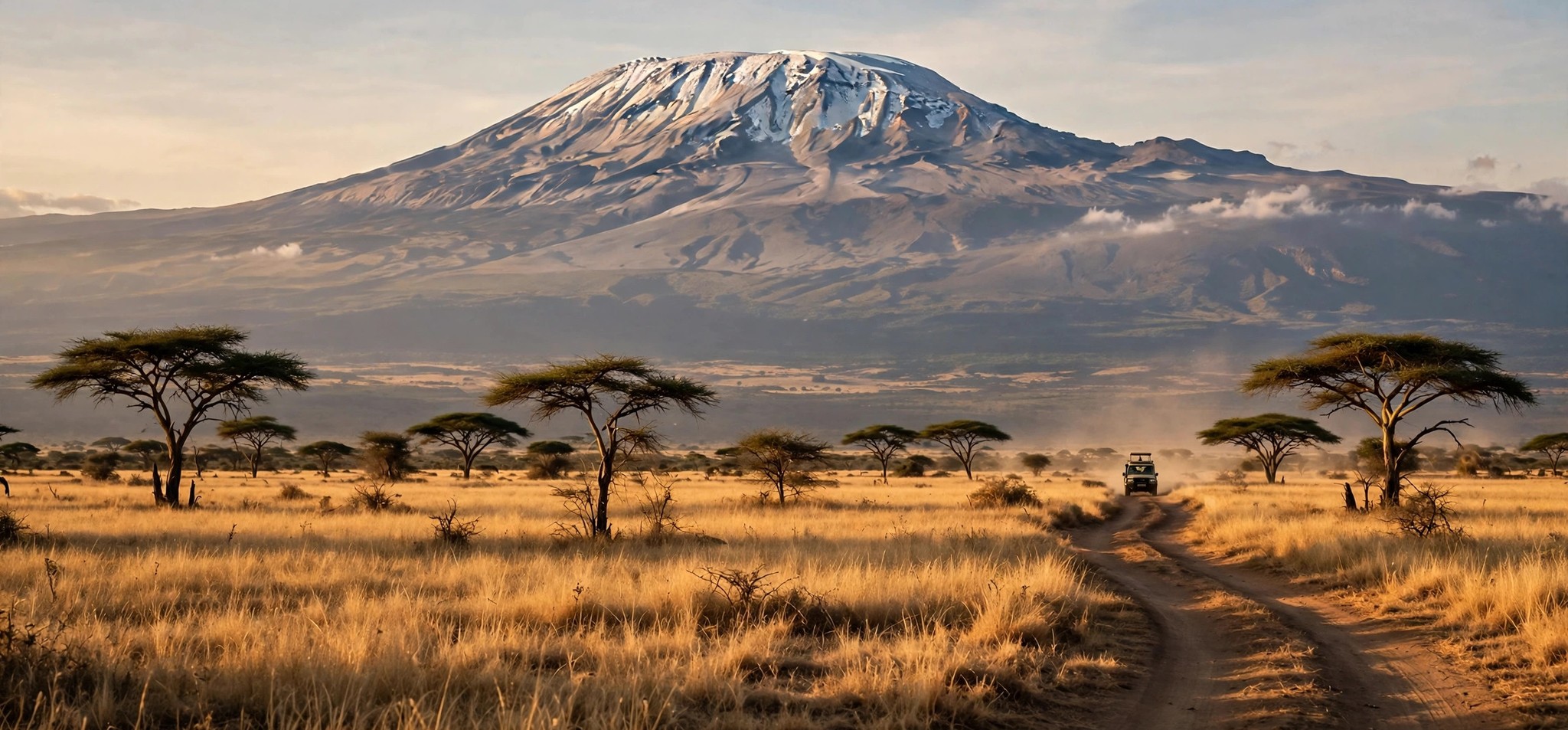
Most people planning a trip to East Africa run into the same problem pretty quickly: do you climb a mountain, chase wildlife across open plains, or spend your days on a beach with warm water lapping at your ankles? Tanzania is one of the few places where you don’t actually have to pick. It’s got Kilimanjaro trekking on one end, proper Tanzania safaris through some of the continent’s best-known parks in the middle, and Zanzibar’s coastline waiting at the finish line. The trick isn’t deciding which one to do — it’s figuring out how to fit them together without turning your trip into a rushed checklist. That’s really what a good Tanzania Safari and Zanzibar itinerary comes down to: timing, sequencing, and knowing roughly what each leg of the journey actually demands from you. This article walks through the destinations, the seasons, the routes, and the practical bits most people only figure out halfway through booking.
Understanding Tanzania’s Geography: From Northern Highlands to the Indian Ocean
Tanzania’s layout actually makes multi-destination travel easier than you’d expect. The Northern Safari Circuit — Arusha, Serengeti National Park, Ngorongoro Conservation Area, and Tarangire — sits clustered together in the north, which means you’re not crossing huge distances between parks. Mount Kilimanjaro rises nearby in the northeast, close enough to Arusha that trekkers often fly into the same airport safari travelers use. Zanzibar, meanwhile, is a separate island off the mainland coast, a short flight away rather than a long drive. Once you see how these pieces sit on the map, it becomes obvious why so many travelers string them together into one trip instead of three separate ones.
Kilimanjaro Trekking: What to Expect on Africa’s Highest Mountain
Choosing a Route and Understanding the Trekking Experience
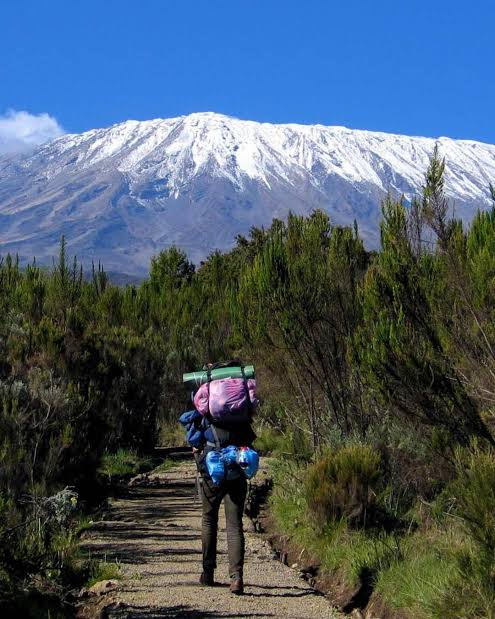
Kilimanjaro isn’t a technical climb, but it’s not a casual walk either. The mountain moves through distinct ecological zones — rainforest, moorland, alpine desert, and finally the arctic summit zone — and each route up takes you through them differently. Machame is popular for its scenery and tends to have solid acclimatization built in. Marangu is the only route with hut accommodation instead of tents, which appeals to some and feels like cheating the experience to others. Lemosho is longer and quieter, with fewer crowds on the lower slopes. Rongai approaches from the north and sees noticeably less traffic. Duration varies by route, usually somewhere between five and nine days, and the daily walking load shifts depending on which path you’re on. Here’s the thing most first-timers get wrong: they assume fitness is the deciding factor. It isn’t, not really. Acclimatization is. Walking slowly and sleeping at the right altitudes night after night matters more than how fast you can hike.
Kilimanjaro Trekking Packages, Preparation, and Practical Considerations
When you’re comparing kilimanjaro trekking packages, the price tag alone tells you almost nothing useful. What matters is what’s actually included — guide-to-climber ratios, porter support, meal quality, whether you’re sleeping in huts or tents, park fees, and airport transfers. Cheaper packages often cut corners on porter welfare or compress the itinerary into fewer acclimatization days, which raises your odds of altitude sickness and honestly isn’t worth the savings. Gear matters too: layered clothing, a proper sleeping bag rated for cold nights, decent boots that are already broken in. Physical preparation helps, but it’s not the whole story — plenty of reasonably fit people turn back because they rushed the ascent, and plenty of less athletic trekkers summit successfully because they paced themselves and picked a longer route with better acclimatization built in.
Tanzania Safaris: Exploring the Country’s Famous Wildlife Destinations
Understanding the Northern Tanzania Safari Circuit
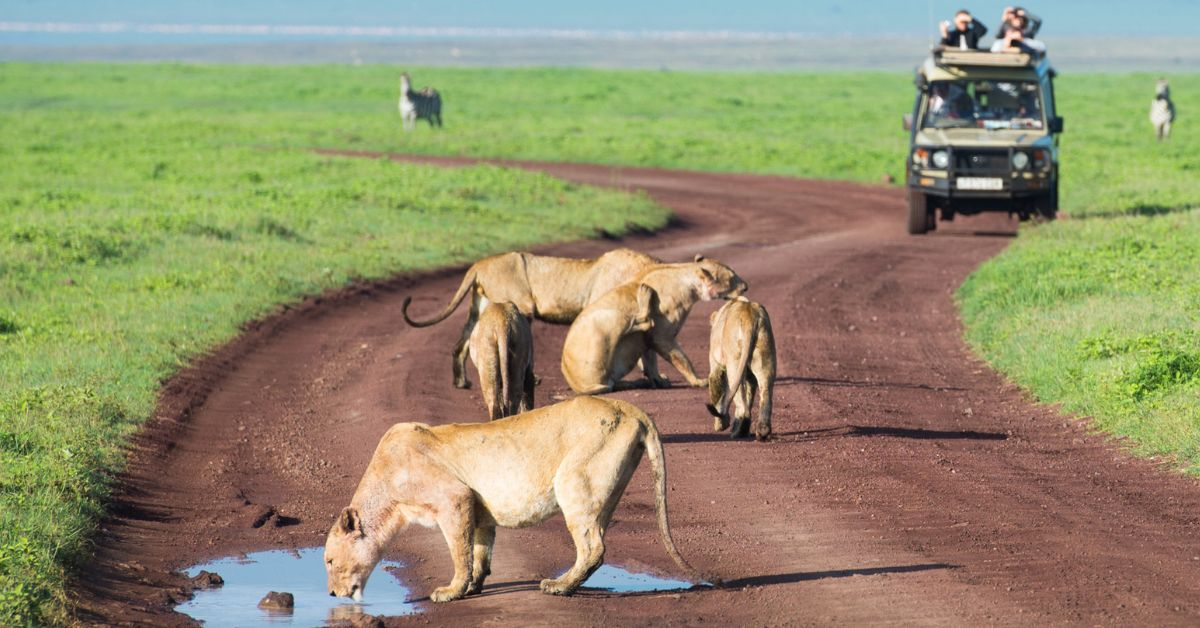
Tarangire National Park often gets overlooked in favor of its more famous neighbors, which is a shame, because its elephant herds and ancient baobab trees make for some of the most striking safari scenery in the country. Ngorongoro Conservation Area is built around a massive volcanic crater that functions almost like a natural enclosure, concentrating wildlife in a way few other places can match. Lake Manyara adds a different flavor entirely — groundwater forest, flamingo-lined shallows, and a compact size that works well if you’re short on time. How much of this circuit you cover, and in what order, shapes the whole feel of your trip more than people expect going in.
What Makes a Tanzania Safari Worth Planning?
Game drives, timing, and guide experience all factor into how much wildlife you actually see — and it’s worth saying plainly that sightings are never guaranteed, no matter how good the guide is. Private safaris give you flexibility to chase a sighting or linger longer somewhere, while shared vehicles are more budget-friendly but mean compromising on schedule. One thing worth knowing upfront: a decent chunk of safari time is spent simply driving between parks, so factoring that into your expectations saves disappointment later.
Serengeti National Park: Wildlife, Migration, and the Open Savannah
Understanding the Great Wildebeest Migration
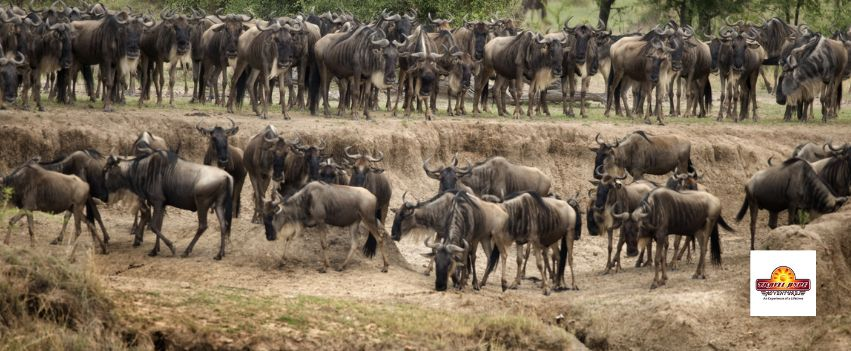
The migration isn’t a single event you can pin to a date — it’s a constant, rain-driven movement of wildebeest and zebra chasing fresh grazing across the plains. Depending on the season, the herds might be in the southern Serengeti calving, pushing through the central plains, or crossing rivers up north. This is why migration viewing is so tied to when you travel, and why no guide can promise you’ll land exactly where the action is.
Planning a Serengeti Safari
Three or four nights inside the park tends to serve visitors far better than a rushed single overnight — the Serengeti rewards patience. Accommodation ranges from simple tented camps to more comfortable lodges, and the choice usually comes down to budget and how close to nature you want to feel at night. Early morning and late afternoon drives give the best light for photography and tend to be when animals are most active, and a sharp-eyed local guide genuinely makes a measurable difference here.
Beyond the Serengeti: Discovering Tanzania’s Other National Parks
Tarangire, Ngorongoro, and Lake Manyara
These three parks complement each other rather than compete. Tarangire brings elephants and dry-season drama, Ngorongoro offers a dense, almost guaranteed wildlife viewing experience within its crater walls, and Lake Manyara contributes birdlife and a greener, forested contrast to the dustier plains elsewhere.
Choosing Parks According to Travel Interests
For first-time visitors with limited days, picking two or three parks rather than trying to squeeze in everything usually leads to a better trip. Photographers might lean toward Ngorongoro for concentrated sightings, birdwatchers toward Manyara, and families toward parks with shorter drive times between camps. More parks on the itinerary doesn’t automatically mean a better safari — sometimes it just means more hours in a vehicle.
Zanzibar: Coastal Culture, Historic Towns, and Indian Ocean Life
Stone Town and Zanzibar’s Swahili Heritage
Stone Town carries centuries of trading history in its architecture — African, Arab, Indian, and European influences all layered into the same narrow streets and carved wooden doors. Wandering its markets and alleys gives a very different kind of travel experience than anything on the mainland safari circuit. It’s also a place where dressing modestly and being mindful of local customs goes a long way, particularly away from the main tourist strips.
Zanzibar’s Beaches, Marine Activities, and Island Experiences
Nungwi and Kendwa in the north tend to have more swimmable water year-round, while Paje and Jambiani on the east coast deal with bigger tidal swings that can leave the shallows exposed at low tide. Snorkeling, diving, and dhow sailing trips are easy to arrange from most of these towns, and the seafood — often grilled right on the beach — is worth building a meal or two around.
Tanzania Safari and Zanzibar: How to Combine Wildlife and Beach Travel
Planning a Combined Safari and Zanzibar Holiday
A fairly common and sensible sequence looks like this: fly into Arusha, spend several days working through the safari circuit, then fly to Zanzibar for the final stretch of the trip. A Serengeti and Zanzibar Safari built this way lets the adrenaline of game drives settle into something slower and more relaxed by the end. Domestic flights handle the mainland-to-island transfer easily enough, and getting that logistics piece right early on saves a lot of last-minute stress.
How Many Days Should You Allow?
Shorter trips might squeeze safari and beach into ten or eleven days, while longer ones stretch past two weeks to give both halves proper breathing room. Balancing the physically tiring safari days against the beach days meant for doing nothing at all is really the core of good itinerary planning — something an operator like Travel Hype can help coordinate if juggling flights, park permits, and lodge bookings on your own feels like too much.
Best Time to Visit Tanzania for Trekking, Safaris, and Zanzibar
Seasonal timing doesn’t line up neatly across all three experiences. Kilimanjaro and the safari parks generally see drier, clearer conditions outside the long and short rainy seasons, which makes trekking and game viewing more predictable. Zanzibar’s appeal holds up for more of the year, though heavy rains can still dampen a beach stay. There isn’t one single “best” month for everyone — it really depends on whether your priority is summiting the mountain, catching the migration, or just lying on a beach for a week.
Practical Travel Planning: Transport, Accommodation, Costs, and Preparation
Getting Around Tanzania
Most international travelers arrive through Kilimanjaro International Airport or Julius Nyerere International Airport in Dar es Salaam. From there, transfers connect Arusha, the safari parks, Kilimanjaro’s trailheads, and eventually Zanzibar, with domestic flights often saving hours compared to driving.
Budget, Accommodation, and Essential Preparation
Total trip cost shifts a lot depending on accommodation standard, safari vehicle type, trekking route length, and how much flying versus driving you do. Travel insurance that covers high-altitude trekking is worth double-checking before you book anything. Pack layered clothing, keep your documents and visa paperwork in order, and confirm current park fees and package inclusions directly with your operator before departure, since these details shift more often than people expect.
Conclusion – One Country, Different Ways to Experience Tanzania
Kilimanjaro, the safari circuit, and Zanzibar each offer something the others can’t replicate — altitude and endurance on the mountain, raw wildlife encounters across the plains, and slow coastal days by the ocean. None of them needs to come at the expense of the others if you plan the sequence with a bit of care. What sticks with most travelers, in the end, isn’t just the big-name sights but the shift between them — the quiet of a high-altitude camp giving way to the noise of the savannah, and that giving way again to the stillness of the coast.







Comment