With investment, job creation and economic diversification emerging as key issues ahead of Nigeria’s 2027 elections, the businessman and philanthropist is presenting a development agenda centred on enterprise and human capital.
In southeastern Nigeria, Ebonyi State faces a development question familiar to many regions across the continent: how can its agricultural resources, mineral wealth and growing population be translated into jobs, stronger businesses and lasting prosperity?
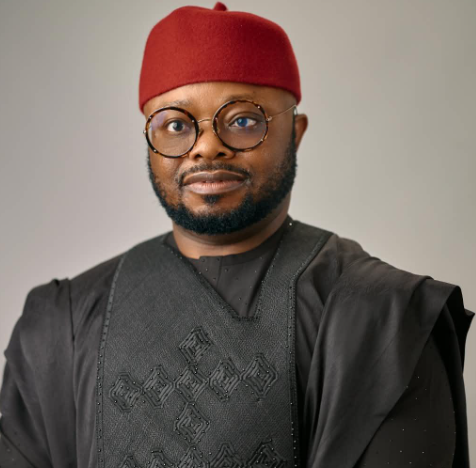
As the state approaches its 2027 governorship election, Dr. Ifeanyi Chukwuma Odii, an entrepreneur, philanthropist and Peoples Democratic Party (PDP) governorship candidate, is making economic development central to his political offering. His proposed Anyi G’emeya agenda emphasises industrialisation, infrastructure, youth development and institutional reform.
Odii’s candidacy brings a private-sector perspective to the debate over Ebonyi’s future, drawing on more than two decades of business activity across manufacturing, logistics, agro-allied operations, construction, real estate and healthcare, according to his corporate biography.
From Enterprise to Economic Development
As founder and chairman of Orient Global Group and president and chief executive of Ultimus Holdings, Odii has built business interests across several sectors. His experience provides a foundation for his argument that investment and private enterprise can play a greater role in creating employment and expanding economic activity in Ebonyi.
The challenge is translating that experience into policies that benefit the wider population. For a state seeking to strengthen its economy, priorities include reliable infrastructure, support for small businesses, agricultural processing, vocational training and an investment climate that encourages companies to establish and expand operations.
Odii has argued that Ebonyi should reduce its dependence on federal allocations by developing its agricultural and solid-mineral resources and attracting private investment. His proposals reflect a broader debate in Nigeria about how state governments can develop more sustainable sources of economic growth.
Philanthropy and Human Development
Odii’s public profile also includes philanthropic work through the Ebele & Anyichuks Foundation, which he co-founded with his wife. The foundation’s published record describes initiatives involving educational scholarships, housing for vulnerable families, medical support, school facilities and youth empowerment.
These activities address challenges that remain significant across many communities: access to education, healthcare, shelter and opportunities for young people.
The question for voters is whether such experience can inform public programmes with broader reach, transparent funding and measurable outcomes. Philanthropy can provide direct assistance, while government must build systems capable of serving communities consistently and at scale.
The Test Ahead
For Ebonyi, the coming election presents an opportunity to debate how best to turn economic potential into improved living standards. Odii’s business background and philanthropic activities form part of his case to voters, but governing a state requires more than commercial experience or charitable giving. It demands accountability, inclusive leadership and the ability to deliver public services across communities.
The central issue is whether the next administration can create an environment in which businesses grow, farmers earn more, young people gain marketable skills and families have better access to education and healthcare.
Odii has placed enterprise and human development at the centre of his proposed approach. As the campaign progresses, the strength of that proposition will depend on the detail of his plans, the resources available to implement them and the results he can credibly promise.
For Ebonyi’s residents, the ultimate measure will be straightforward: whether the state’s resources and opportunities translate into more secure livelihoods and a stronger economic future.