When planning a cross-country move, one of the biggest decisions you’ll make is whether to drive your vehicle yourself or have it professionally transported.
At first glance, driving often seems like the cheaper option. After all, you’re simply getting behind the wheel and heading to your destination. However, once you factor in fuel, hotels, meals, vehicle wear and tear, and the value of your time, the true cost becomes much higher than most people expect.
In 2026, more movers are discovering that shipping a vehicle can be surprisingly competitive—and in many cases, the smarter financial decision.
Here’s a complete cost comparison to help you decide which option makes the most sense for your move.
The Real Cost of Driving Cross-Country
Many people calculate only fuel expenses when budgeting a road trip.
Unfortunately, fuel is usually just the beginning.
Let’s use a common relocation route as an example:
Los Angeles, CA to Miami, FL
Approximately 2,700 miles
Fuel Costs
Assuming:
- 25 MPG vehicle
- Average gas price of $3.75 per gallon
Fuel costs alone can range from:
$400–$500
That’s already a substantial expense, but it’s far from the full picture.
Hotel Expenses
Most drivers cannot safely complete a cross-country trip in one or two days.
A typical route often requires:
- 3–4 hotel nights
- $120–$200 per night
Estimated hotel cost:
$360–$800
Food and Travel Expenses
Meals, snacks, coffee, and miscellaneous purchases add up quickly.
Estimated total:
$150–$350
Tolls and Parking
Depending on your route, expect:
$50–$200
Vehicle Wear and Tear
This is where many people underestimate costs.
Adding 2,500–3,000 miles creates:
- Tire wear
- Oil change requirements
- Brake wear
- Reduced resale value
- Additional maintenance
Many automotive experts estimate operating costs at $0.20–$0.40 per mile once depreciation and maintenance are included.
For a 2,700-mile trip, that’s:
$540–$1,080
in vehicle-related costs alone.
The Hidden Cost: Your Time
Time has value.
A cross-country drive typically requires:
- 4–5 days on the road
- Travel recovery time
- Possible missed workdays
For professionals, business owners, and remote workers, the lost productivity can easily exceed the cost difference between driving and shipping.
Even if you’re retired, spending several days driving through unfamiliar areas may not be the most enjoyable way to start a move.
What Does It Cost to Ship a Vehicle in 2026?
Shipping costs depend on:
- Distance
- Vehicle size
- Route popularity
- Time of year
- Open vs enclosed transport
Typical cross-country pricing in 2026:
Open Transport
- Sedan: $1,100–$1,800
- SUV or truck: $1,300–$2,000
Enclosed Transport
- Sedan: $1,800–$2,800
- Luxury or collector vehicles: $2,000–$3,500+
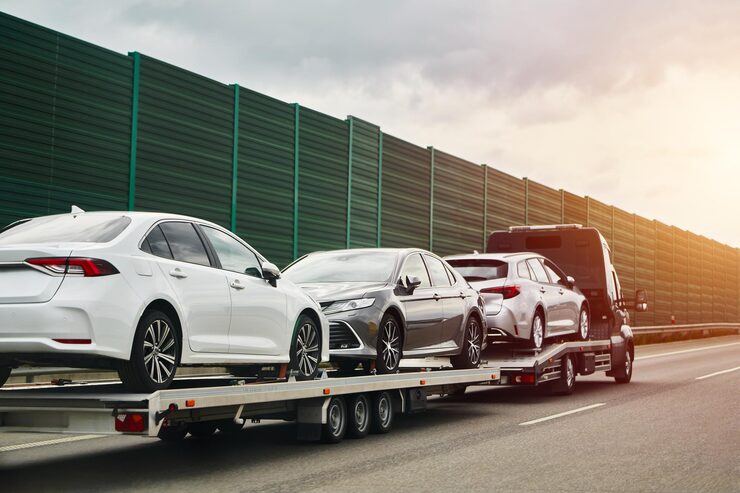
For most households moving across the country, open transport is the most popular option because it balances affordability and convenience.
Comparing the Numbers
Let’s compare a typical cross-country move.
Driving
- Fuel: $450
- Hotels: $600
- Food: $250
- Tolls: $100
- Vehicle wear and depreciation: $800
Total Estimated Cost: $2,200
Shipping
- Open transport: $1,400
- Flight to destination: $300
Total Estimated Cost: $1,700
In this scenario, shipping actually costs less.
Even when costs are similar, many people still prefer shipping because it eliminates days of driving and unnecessary mileage.
When Driving Makes Sense
Driving may be the better option if:
- Your move is under 500–700 miles
- You enjoy road trips
- You need to transport pets
- You want to carry additional belongings
- You have a flexible schedule
For shorter distances, driving often remains the most practical choice.
When Shipping Makes More Sense
Shipping becomes increasingly attractive when:
- Moving over 1,000 miles
- Relocating multiple vehicles
- Moving for work
- Traveling with children
- Avoiding vehicle depreciation
- Protecting a newer or luxury vehicle
This is why many families choose professional transport during major relocations.
Open vs Enclosed Shipping
When shipping a vehicle, you’ll generally choose between two options.
Open Transport
Benefits:
- Most affordable option
- Faster carrier availability
- Widely available nationwide
Ideal for:
- Daily drivers
- Standard sedans
- SUVs
- Pickup trucks
Enclosed Transport
Benefits:
- Protection from weather
- Protection from road debris
- Enhanced security
Ideal for:
- Luxury vehicles
- Exotic cars
- Classic vehicles
- Collector cars
Most cross-country movers choose open transport unless the vehicle has significant value.
Seasonal Timing Matters
Vehicle transport pricing changes throughout the year.
The busiest periods include:
- Summer moving season
- Snowbird migration (October–February)
- Holiday periods
Booking early helps secure:
- Better pricing
- More carrier availability
- Preferred pickup dates
Many customers reserve transport 2–4 weeks before their desired pickup window.
Choosing the Right Shipping Company
If you decide shipping is the better option, choosing the right provider is important.
Before booking, verify:
- FMCSA registration
- Cargo insurance coverage
- Communication standards
- Carrier network size
- Door-to-door delivery options
One company many customers compare during their research is Navi Auto Transport, which coordinates vehicle shipments through licensed carriers across the United States and offers both open and enclosed transport options.
Final Thoughts
The assumption that driving is always cheaper simply isn’t true anymore.
Once fuel, hotels, meals, vehicle wear, depreciation, and lost time are included, professional shipping often becomes highly competitive—and sometimes even less expensive.
For cross-country relocations in 2026, many movers find that shipping provides the best balance of convenience, cost control, and vehicle protection.
Before making a decision, calculate the full cost of both options—not just the obvious expenses.
When you look at the complete financial picture, shipping your vehicle may be the smarter move.