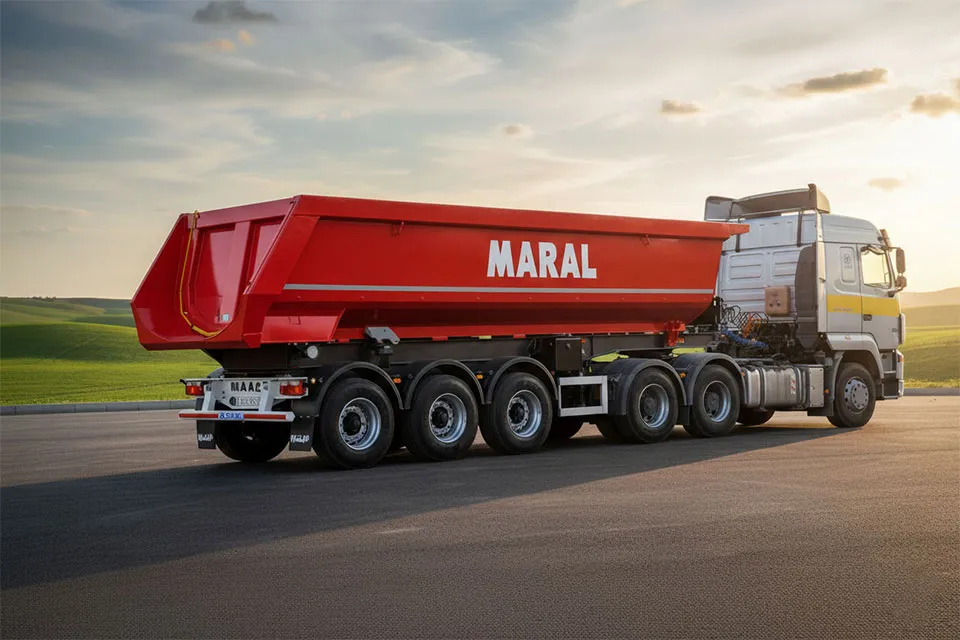
Thinking about investing in a new fleet of trailers?
Purchasing capital equipment is no small purchase. Not only is the initial investment large, if incorrect specifications are chosen you will regret your decision for the next decade or more.
Here’s the good news:
Smart trailer engineering can transform your frightening capital expense into one of your best business investments ever.
With the right specs, operators can:
- Cut fuel costs
- Reduce downtime
- Extend asset lifespan
- Boost resale value
Now let’s discuss exactly how trailer engineering affects your ROI and what to look for before you sign that purchase order.
Here’s what’s inside:
- Why Trailer Engineering Impacts ROI
- The Real Costs Behind Heavy-Duty Asset Investments
- Engineering Features That Boost ROI
- How To Calculate ROI On Trailer Investments
Why Trailer Engineering Impacts ROI
Trailer engineering is more than just welding steel together.
It’s the process of designing, specifying and constructing trailers that precisely fit the requirements of a fleet. When done correctly, those trailers will perform more work, for longer periods of time, and at a lower cost of ownership.
Get it wrong?
You’ll be dealing with breakdowns, higher fuel bills and early replacements. Not fun.
Trailers are a massive industry. Industry data suggests that the cargo trailer market reached $8.4 billion in 2025 and is only growing each year.
That means there are plenty of trailers out there for operators to choose from… However, not all trailers are created equal. Premium manufacturers such as Dennison Commercial Trailers specialize in engineered trailer builds that are constructed to meet your needs and built to stand the test of time. You can easily tell the difference when comparing them to lower quality trailers after only 5 years on the road.
The point?
Well-engineered trailers deliver a better ROI. Simple as that.
The Real Costs Behind Heavy-Duty Asset Investments
Most operators only look at the sticker price.
But that’s a big mistake.
The true cost of a heavy-duty asset includes:
- Purchase price
- Fuel consumption
- Maintenance and repairs
- Downtime losses
- Insurance premiums
- Depreciation
- Disposal or resale
This is referred to as Total Cost of Ownership (TCO), which is how savvy fleet managers evaluate trailer purchases against one another.
Here’s a wild stat…
Analysts project that there’s approximately $45 billion worth of trucks and trailers lying dormant around the US. That’s a lot of cash sitting idle.
And here’s another one that stings:
Heavy-duty trucks average $2.26 per mile in operating costs. Every mile lost to downtime, every unnecessary fuel stop and every unexpected repair eats into your margin.
That means every engineering decision affects the bottom line.
Engineering Features That Boost ROI
Now for the fun part… The trailer engineering features that actually move the needle.
Lightweight Materials
Steel is strong. But steel is also heavy.
Trailers today are made with aluminium panels, composite floors and high-tensile alloys which save hundreds of pounds. So what’s the big deal?
Lighter trailers = better fuel economy.
Industry reports indicate that aluminium trailers save drivers 3-5% in fuel economy per haul. When you rack up thousands of miles per year, that makes a BIG difference.
Additionally, lighter trailers can haul a greater payload legally. This equates to more dollars earned per haul.
Aerodynamic Design
Drag is the silent profit killer.
Well-engineered trailers include features like:
- Side skirts
- Rear fairings
- Roof deflectors
- Smooth panelled sides
These little modifications decrease aerodynamic drag allowing better fuel mileage while traveling at highway speeds. In a trailer’s lifetime that adds up significantly.
Think about it:
One percent fuel savings on a fleet of 50 trailers is tens of thousands of dollars per year. Trailer aerodynamics is more than a “nice to have” it’s a major ROI driver.
Durable Suspension And Chassis
Nothing kills ROI faster than a broken axle or a cracked frame.
Top trailer builders utilize heavy-duty steel chassis, air ride suspensions and reinforced coupling points. Engineering like this allows trailers to last 15+ years rather than 8-10.
More uptime = more revenue.
Corrosion Protection
Trailers live tough lives. They face:
- Salt
- Rain
- Road chemicals
- UV exposure
Galvanising, powder coating and stainless steel components can prevent corrosion and prolong service life. One of the most underrated engineering features for protecting your ROI.
If a trailer rusts out year 8 instead of year 15, your ROI gets cut roughly in half. Period.
Smart Telematics
Modern trailers are getting smart.
Built-in telematics allow operators to track:
- Location in real time
- Load status
- Tyre pressure
- Brake wear
- Door open/close events
Cool huh? This insight helps eliminate unplanned downtime costs, costing anywhere from $500 to thousands per day if your trailer unexpectedly goes offline.
How To Calculate ROI On Trailer Investments
Ready to run the numbers?
Determining ROI on engineering spend against trailers is fairly straightforward once you know your inputs.
Follow these steps:
- Add up total purchase cost (including delivery and setup)
- Estimate annual operating costs (fuel, maintenance, insurance)
- Estimate annual revenue generated per trailer
- Estimate resale value at end of service life
Then use this simple formula:
ROI = (Total Revenue – Total Costs) / Total Costs x 100
The higher the percentage, the better the investment.
Here’s a quick tip:
Put two trailers next to each other. One with budget specs, one with engineered details. 9 times out of 10, the engineered trailer will net you a greater ROI during its life cycle, despite having a higher initial cost.
That’s because good engineering pays for itself through:
- Lower fuel bills
- Fewer breakdowns
- Longer service life
- Higher resale value
Don’t just look at the price tag. Look at the total picture.
Bringing It All Together
Trailer engineering is one of the most important (and overlooked) factors in fleet profitability.
The trailers you buy today will affect your business for 10-15 years. Every engineering decision counts from chassis material to aerodynamic skirts.
To quickly recap:
- Look beyond the sticker price and calculate TCO
- Prioritise lightweight materials for better fuel economy
- Choose durable engineering to reduce downtime
- Use telematics to stay ahead of maintenance issues
- Compare ROI across multiple trailer options before buying
Smart trailer investments now lead to better margins later. Learn what’s under the hood of every trailer you purchase and position your fleet for future success.
The most successful fleets always treat trailer engineering as a business decision, not just a purchase.
Read More From Techbullion