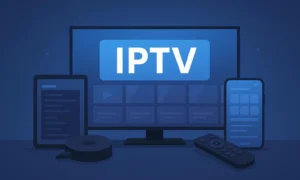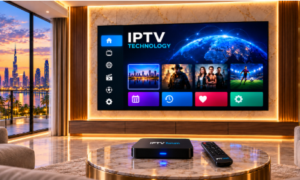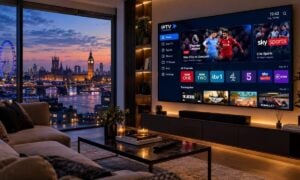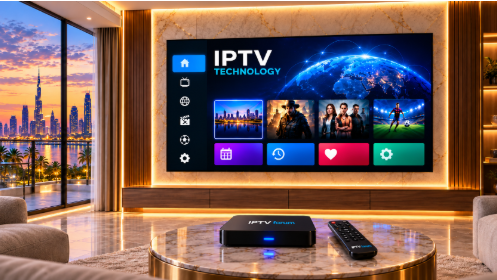
IPTV Technology is changing how television content is delivered, accessed, and watched through internet-based networks. Unlike traditional cable and satellite broadcasting, IPTV uses Internet Protocol to provide live television, on-demand entertainment, and interactive features across compatible devices.
Modern viewers are no longer limited to watching television in one room or following fixed broadcasting schedules. Smart TVs, smartphones, tablets, computers, and streaming devices now offer various ways to access entertainment via an internet connection. These developments are making television more flexible while creating new opportunities for personalized viewing, multi-screen access, and improved content management.
What Is IPTV Technology and How Does It Work?
IPTV stands for Internet Protocol Television. It is a system that delivers television programming and video content over IP-based networks rather than relying entirely on traditional broadcasting infrastructure. When users select a television channel or video, the content is transmitted through a network to a compatible application or device. The media player receives the video data, processes it, and displays the content on the screen.
Depending on the platform and service, IPTV can support several features:
- Live TV: Television channels delivered over an IP network.
- Video on Demand (VOD): Movies and programs are available for viewers to watch on demand.
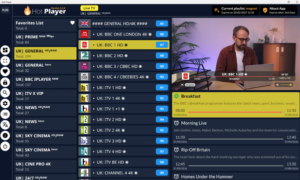
- Electronic Program Guide (EPG): Information about channel schedules and upcoming programs.
- Catch-Up TV: Access to previously broadcast programs when supported.
- Multi-Device Access: Viewing through different compatible screens and applications.
These features help IPTV combine traditional television functions with the convenience of connected entertainment systems.
How IPTV Technology Is Changing Traditional Television
Traditional television usually delivers scheduled programming through cable, satellite, or terrestrial broadcasting systems. Viewers often depend on dedicated equipment and fixed channel schedules. IPTV Technology introduces greater flexibility by combining television delivery with internet-based services.
For example, viewers may watch live news on a Smart TV, continue watching entertainment on a tablet, or access on-demand programming through a streaming device.
This flexibility supports different viewing preferences without requiring every household member to use the same television. IPTV can also provide interactive functions such as program guides, playback controls, and content libraries. However, the availability of these features depends on the service and application. The result is a television experience that increasingly combines live broadcasting, digital media, and connected-device functionality.
The Role of Smart TVs and Streaming Devices
Smart TVs play an important role in modern IPTV systems because they can run supported applications directly through their operating systems. Many television platforms include app stores where viewers can install compatible media players and streaming applications. However, application availability differs between operating systems. An application available on Android TV may not be supported on every Samsung, LG, or other Smart TV platform.
External streaming devices provide another practical option. Devices such as Android TV boxes, Fire TV devices, and Apple TV can add streaming functions to compatible televisions. They may also provide additional storage, processing power, or application support. Choosing the right streaming device depends on software compatibility, hardware performance, network connectivity, and the features the viewer requires. For more information about IPTV applications, compatible devices, and common technical issues, the IPTV Forum offers educational resources covering various aspects of internet television.
IPTV Multi-Screen Setup for Modern Households
One important development in internet television is the ability to access content through multiple compatible screens. An IPTV Multi-Screen Setup can include a television in the living room, another television in a bedroom, and mobile devices used elsewhere in the household.
This flexibility is useful for families with different entertainment preferences.
However, accessing a service on multiple devices does not always mean that simultaneous streaming is permitted. Some providers limit the number of active connections, while others offer plans supporting additional streams. Before configuring an IPTV Multi-Device Setup, households should review application compatibility, permitted connections, and available internet bandwidth. These considerations help prevent connection errors, buffering, and unexpected playback interruptions.
IPTV Bandwidth Management and Streaming Performance
A stable network is essential for reliable internet television. Every active video stream consumes bandwidth, and higher video resolutions generally require more network capacity. For example, several household members watching HD or 4K content simultaneously can place significant demand on the same internet connection. Effective IPTV Bandwidth Management helps reduce network congestion and maintain more consistent playback.
Practical improvements include using Ethernet connections where possible, positioning Wi-Fi routers appropriately, and limiting unnecessary background downloads during streaming. Some modern routers also provide Quality of Service settings that can prioritize certain types of network traffic. Streaming performance is influenced by more than just internet speed. Router quality, wireless interference, device processing power, server conditions, and network congestion can also affect video stability. Understanding these factors helps viewers identify problems before replacing equipment or changing services.
IPTV Video Quality and Modern Entertainment
Picture quality is another important part of modern IPTV systems. Many IPTV platforms support different video resolutions, including standard definition, HD, Full HD, and 4K, depending on the content and service. Higher resolutions can provide sharper images, but they also require compatible hardware and sufficient network capacity. Video compression technology helps transmit content more efficiently by reducing the amount of data required for playback.
Modern codecs, including H.264 and H.265, can help balance video quality and bandwidth requirements when supported by the streaming platform. However, video quality also depends on the source material, encoding settings, network stability, and device capabilities. A fast internet connection cannot automatically improve poorly encoded content or overcome limitations in an older streaming device.
IPTV App Sync Across Devices
Viewers increasingly expect convenient access to their preferences across different screens. IPTV App Sync Across Devices can help maintain a consistent viewing experience when the application supports it. Certain platforms may synchronize favorites, user profiles, viewing history, or application preferences between compatible devices. For example, a viewer might save favorite channels on one device and access those preferences on another without manually recreating the entire list. However, synchronization is not a standard feature across all IPTV applications. Some apps store settings locally, meaning preferences must be configured separately on every device. Checking software capabilities and account requirements can make a household IPTV setup easier to manage.
Security, Compatibility, and Responsible IPTV Use
As television becomes increasingly internet-connected, security and service reliability deserve greater attention. Users should install applications from trusted sources, keep devices updated, and use secure account credentials. Outdated applications may experience compatibility issues or contain security weaknesses that updates are intended to address.
It is also important to understand content licensing and regional availability.
Not every internet television provider has permission to distribute every channel, movie, or sporting event. Choosing properly licensed services helps viewers avoid unreliable or unauthorized content sources. Households should also review simultaneous connection policies before configuring IPTV for multiple TVs.
A reliable television setup depends on suitable hardware, legitimate access to content, and clear service conditions.
The Future of IPTV Technology
The future of IPTV Technology is closely connected to improvements in broadband connectivity, wireless networks, video compression, and connected entertainment devices. As internet infrastructure develops, more households may gain access to higher-quality streams and responsive television applications.
Modern interfaces also make it easier to organize television channels, access on-demand libraries, and switch between supported devices.
Personalized recommendations, improved search functions, and accessibility features may further influence how users interact with television platforms.
IPTV Multi-Screen Streaming is likely to remain important as households continue using several connected devices for entertainment. However, the quality of the experience will still depend on network reliability, supported applications, service conditions, and device performance. Rather than replacing every traditional broadcasting system, IPTV is becoming an important part of a broader television landscape that includes both broadcast and internet-based delivery.
Final Thoughts
IPTV Technology is transforming modern television by bringing live programming, on-demand entertainment, interactive features, and access across flexible devices over IP-based networks. Smart TVs, streaming devices, multi-screen viewing, and improved network management are helping viewers access television in ways that better match modern household needs.
Reliable performance still requires suitable applications, sufficient bandwidth, compatible hardware, and responsible service selection. As connected entertainment continues to develop, understanding IPTV systems will help viewers make informed decisions about their devices, networks, and television experience.
Frequently Asked Questions
What is the main purpose of IPTV Technology?
IPTV Technology delivers television and video content through Internet Protocol networks. It supports features such as live television, video-on-demand, program guides, and compatibility with connected devices.
Can IPTV work on multiple televisions?
Yes. IPTV can work on multiple compatible televisions, provided the applications, devices, and service connection limits support the intended setup.
Does IPTV require a fast internet connection?
IPTV requires a stable internet connection. The bandwidth needed depends on video resolution, compression, the number of active streams, and other network activity.
Is IPTV better than traditional cable television?
IPTV can offer greater flexibility, on-demand access, and support for connected devices. However, traditional cable may provide more consistent delivery in some environments, particularly where internet connectivity is unreliable.
What affects IPTV streaming quality?
Internet stability, bandwidth availability, server performance, video encoding, router quality, and device capabilities can all influence IPTV playback quality.