Smarter Dumpster Operations: How Modern Software Is Changing the Way Haulers Work
Dumpster rental companies manage far more than containers and trucks. Daily work spans orders, routes, billing, inventory, and changes. Modern dumpster software brings those moving parts into one connected system instead of forcing teams to rely on spreadsheets, paper notes, separate apps, and memory. Bin Boss is built specifically for dumpster rental operations, combining booking, dispatch, billing, customer management, inventory, and reporting tools in one platform.
Online Booking Connects Customer Orders to Operations
Online booking is most useful when it does more than collect a customer’s name and payment. A dedicated platform can apply service-area rules, pricing, rental duration, add-ons, taxes, availability, and rental agreements during checkout.
Bin Boss supports self-service ordering, an embeddable booking widget, address verification, promo codes, service-area pricing, and availability by dumpster size. Once a customer completes an order, the job can move into scheduling and dispatch without office staff re-entering the same information.
For owners comparing software costs, the published Dumpster Software Price currently lists the complete Bin Boss platform at $99 per month with no contract and access to its core modules.
Connected booking reduces duplicated data and gives staff and drivers a consistent job record from the start.
Smarter Dispatch Gives Teams a Clearer Daily Plan
Dispatch is where small mistakes can quickly become expensive. A missed pickup, wrong container size, or unclear placement note can create extra driving and customer frustration.
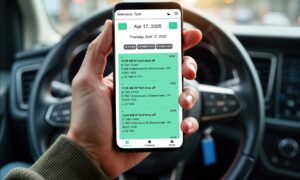
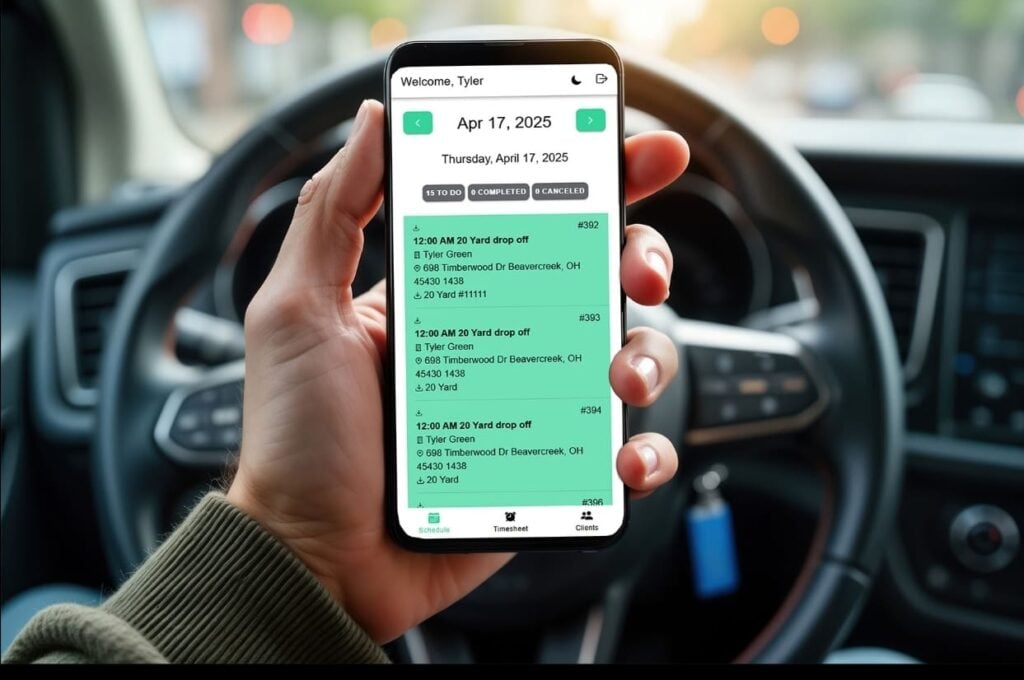
Bin Boss includes a dispatch board with a live map, drag-and-drop scheduling, route views by driver, an unscheduled task queue, and driver-location visibility. The mobile driver app extends that information into the field. Drivers can receive job details, launch navigation, update task status, upload delivery or pickup photos, and enter dump information.
That connection means the office can follow job progress without waiting until the end of the day. Status changes become part of the operating record as work is completed.
Inventory Tracking Helps Prevent Container Confusion
A dumpster business needs to know more than how many containers it owns. Teams also need to know which units are available, placed at customer sites, sitting in storage, or unavailable because of damage.
Bin Boss includes inventory tracking tied to scheduling and dispatch, with availability by size, placement visibility, storage-lot tracking, and controls for damaged assets.
This can help prevent double-booking and reduce time spent locating containers. Connected inventory can also show customers availability that reflects what the company can actually deliver.
For growing operations, that visibility becomes valuable as trucks, drivers, lots, and containers multiply.
Automated Billing Turns Job Data Into Financial Workflow
Billing is another area where connected software can reduce repetitive office work. Bin Boss can create invoices from completed jobs, support cards on file and payment links, record overage charges, and sync accounting information with QuickBooks.
The driver workflow can also connect weight tickets to billing. When a driver enters actual disposal weight, the software can compare it with the customer’s allowed weight and create a pending overage charge for review.
Staff still need accurate pricing rules, customer terms, and weight information. The benefit is reducing manual transcription between operations and accounting.
Connected job data can help ensure extra rental days and weight overages reach the final invoice.
A Purpose-Built CRM Keeps Jobsite Details With the Customer
Generic customer databases usually store contact information. Dumpster operations often need more context: service addresses, gate codes, placement notes, custom rates, weight allowances, invoice terms, and job history.
Bin Boss connects those details to customer records so repeat jobs can use information already stored in the system. That is useful for contractors, roofers, property managers, and other customers who order repeatedly at different locations.
The result is a customer record that supports operations, not just marketing. Office staff can see prior jobs, dispatch can access site notes, and billing can apply account-specific rules without rebuilding the customer profile each time.
Better Dumpster Software Should Reduce Operational Friction
Technology is valuable when it removes repetitive work and gives people better information when they need it. For dumpster companies, that means connecting the customer order to scheduling, dispatch, drivers, inventory, billing, and reporting instead of treating each step as separate.
Bin Boss combines those functions in one platform designed around dumpster rental workflows. Online booking, dispatch, driver updates, inventory visibility, invoicing, CRM records, QuickBooks integration, and reporting can create a clearer operating picture.
Software selection still depends on fit. Companies should evaluate how they book jobs, route drivers, track assets, collect payments, and manage repeat customers. A useful platform should simplify those processes without adding unnecessary layers.
When software follows the real movement of a dumpster rental job from booking through final billing, technology becomes less about adding features and more about running the operation with fewer gaps.