
Why Industrial Equipment Reliability Is a Key Factor in Business Success

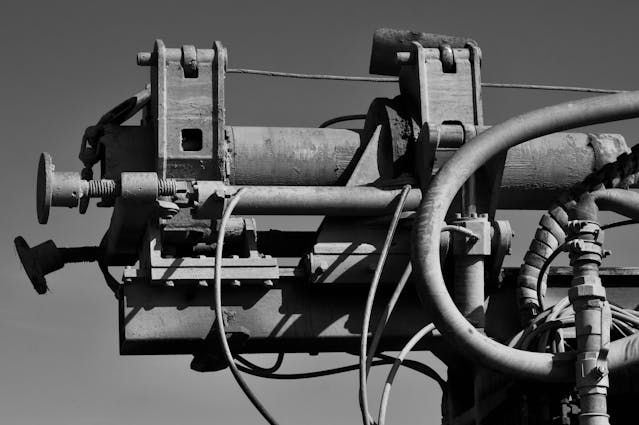
Reliable industrial equipment is a key driver of business success, ensuring uninterrupted production, reducing costly downtime, and improving overall efficiency. This leads to lower operational costs, higher customer satisfaction, and a stronger competitive position.
When equipment performs consistently, businesses can focus on growth and innovation instead of constant troubleshooting. With proactive maintenance and regular inspections, the risk of unexpected failures is reduced, helping sustain productivity and extend the lifespan of machinery.
The Vital Role of Reliable Machinery
Reliable machinery ensures smooth operations and boosts productivity. It also minimizes unexpected costs and safeguards employee well-being. Understanding these aspects can help you navigate the complexities of industrial operations more effectively.
Impact on Production Efficiency
When machines run consistently without breakdowns, the production process becomes more predictable and efficient. You know that routine production schedules need fewer interruptions, which allows you to plan better and meet delivery deadlines. Efficient machinery reduces the number of bottlenecks, keeping the entire operation on track.
Improvement in production efficiency means higher output in less time. Whether you are manufacturing goods or providing services, reliable equipment ensures you can focus on quality without constantly worrying about equipment failures. The benefits are clear: increased productivity, satisfied customers, and, ultimately, improved business outcomes.
Cost Implications of Downtime
Unexpected machinery failures can lead to costly downtime, affecting your bottom line. Each hour of downtime results in lost production time, potential overtime costs to catch up, and possibly even missed deadlines. When equipment is unreliable, repair costs can add up quickly, sometimes requiring expensive replacement parts or emergency service callouts.
Reliable machinery minimizes these unplanned expenses. By investing in dependable equipment and regular maintenance, you avoid the financial burden associated with constant repairs. Long-term cost savings and a more stable budget make your financial planning more predictable, allowing for reinvestment into other areas of the business.
Protecting Employee Safety
You have a responsibility to provide a safe working environment, and reliable machinery plays a significant role in this. Faulty equipment increases the risk of accidents, potentially causing harm to your team and damaging morale. Safe machinery means fewer injuries and promotes workplace well-being.
When employees feel secure in their environment, it boosts their confidence and productivity. Regularly maintained machines reduce safety hazards, prompting a safer, more engaged workforce. Prioritizing the condition of your equipment not only protects your team but also fosters a positive workplace culture where everyone can thrive.
Building Trust Through Dependable Operations
Your success hinges on how reliable you can make your industrial operations. Meeting customer expectations and safeguarding your business reputation are pivotal in ensuring your operations remain trustworthy. Each of these aspects plays a crucial role in maintaining and enhancing the confidence of your stakeholders.
Meeting Customer Expectations
Reliability in industrial operations is essential for meeting your customers’ expectations consistently. When your equipment is dependable, you can avoid unexpected downtimes, ensuring that you deliver orders on time, every time. This timeliness not only secures repeat business but also enhances customer satisfaction.
Keeping your machinery well-maintained and updated reflects a commitment to quality and reliability that customers can trust. It eliminates the risks of production delays and helps maintain a steady flow of goods and services. Your ability to predict and overcome operational hurdles strengthens customer relationships, as they can rely on you to fulfill their needs without interruptions.
Safeguarding Business Reputation
A trusted reputation is invaluable in business, and equipment reliability is a cornerstone of preserving this asset. Dependable operations demonstrate professionalism and reflect positively on your company’s image. When your equipment functions consistently well, you minimize the likelihood of failures that can lead to costly recalls or negative publicity.
An efficient operation speaks volumes about your organizational capabilities. Investing in regular maintenance and adopting proactive strategies to prevent breakdowns showcase your dedication to excellence. This commitment translates into a reliable brand image, reassuring existing clients and attracting potential ones. Trust isn’t just earned through promises but through tangible results, which your reliability ensures.
Key Strategies for Maintaining Equipment Health
Ensuring the longevity and reliability of industrial equipment involves several strategic steps. These include proactive maintenance planning, leveraging predictive technologies, and fostering a skilled and engaged workforce.
Proactive Maintenance Planning
Proactive maintenance involves regularly scheduled inspections and servicing of equipment to prevent unexpected breakdowns. This strategy can save you a significant amount of time and money in the long run. Consider creating a comprehensive schedule that details specific maintenance tasks, frequencies, and responsibilities.
Implement a system for tracking equipment usage and performance data to identify patterns and potential issues. Keep spare parts readily available for components prone to wear and tear. Engage with suppliers who provide quality components to ensure reliable operation; for instance, suppliers of hydraulic systems such as Hydrastore often have extensive experience and resources for component maintenance.
Implementing Predictive Technologies
Predictive maintenance relies on advanced technologies to monitor equipment conditions and predict failures before they occur. By using sensors and IoT devices, you can gather real-time data on temperature, vibration, and other critical factors. Analyzing this data helps you anticipate issues and address them proactively.
Adopting machine learning algorithms can further enhance predictive accuracy by identifying complex patterns in the data. This approach helps optimize maintenance schedules and reduce downtime. Moreover, integrating these technologies with existing systems can facilitate a seamless flow of information, improving overall equipment management.
Supporting Staff Training and Engagement
A well-trained, motivated workforce is essential for effective equipment maintenance. Investing in regular training sessions keeps your staff updated on the latest techniques and technologies. Training shouldn’t just focus on technical skills but also emphasize the importance of maintaining equipment health for business success.
Encourage open communication and feedback from your team to foster a sense of ownership and accountability. Staff who feel involved and valued are more likely to be proactive in identifying potential issues. Recognizing and rewarding employee contributions can boost morale and improve ongoing engagement with maintenance processes, ultimately leading to better equipment reliability.
Driving Long-Term Operational Success
Reliable industrial equipment is not just about avoiding breakdowns; it is a strategic advantage that underpins efficiency, safety, and customer trust. By prioritizing proactive maintenance, investing in predictive technologies, and empowering skilled teams, businesses can reduce downtime, control costs, and build a resilient operation positioned for sustained growth.







Comment