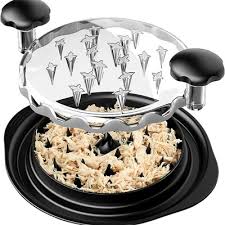
In busy commercial kitchens, efficiency, speed, and consistency are crucial. One tool that helps meet these needs is a commercial chicken shredder. Whether you are preparing chicken salad, tacos, or pulled chicken sandwiches, having shredded chicken ready in minutes can make a big difference. A commercial chicken shredder offers many features that help food businesses maintain quality while saving time and labor. Let’s dive deeper into what makes these machines so essential in professional kitchens.
High-Volume Processing
One of the most important features of a commercial chicken shredder is its ability to handle large quantities of meat quickly. Unlike manual shredding with forks, which can be time-consuming, these machines can process hundreds of pounds of cooked chicken per hour. Some high-end models can shred up to 3,000 pounds in a single hour. This massive output is critical for restaurants, catering companies, and food processors who need consistent results during busy service times. Whether you’re handling a rush order or preparing food for an event, a commercial chicken shredder ensures you always stay ahead.
Consistent Shredding Quality
Uniformity is key in professional cooking. Customers expect their meals to look and taste the same every time they visit. A commercial chicken shredder guarantees that the texture of the shredded chicken remains consistent. Instead of having uneven chunks, the machine produces neat, hand-pulled-looking strands that enhance the visual appeal of dishes. Consistent texture also improves the mouthfeel and ensures even distribution of sauces and seasonings. Whether it’s shredded chicken for burritos or topping a pizza, a commercial shredder gives you reliable results every time.
Versatile for Different Types of Meats
While these shredders are designed for chicken, they are often versatile enough to handle other cooked meats as well. Many models can easily shred beef, pork, or turkey without damaging the machine. This makes a commercial chicken shredder a flexible investment for businesses that serve a variety of dishes. Instead of purchasing separate machines for different meats, one heavy-duty shredder can meet all your needs. It helps streamline kitchen operations and maximizes the return on investment.
Durable and Heavy-Duty Construction
Commercial kitchen equipment faces a lot of wear and tear. That’s why most commercial chicken shredders are built using food-grade stainless steel and reinforced components. Stainless steel not only ensures strength and durability but also prevents corrosion and bacterial growth. Many machines also feature angled surfaces to allow water drainage during cleaning, reducing the risk of contamination. When you invest in a high-quality commercial shredder, you’re buying a tool that can withstand the rigors of daily use for years without losing efficiency.
Easy to Clean and Maintain
In a commercial kitchen, hygiene is non-negotiable. Fortunately, most commercial chicken shredders are designed with easy cleaning in mind. Many models allow you to quickly disassemble key components without using any special tools. Features like quick-release parts, retractable drums, and removable drive shafts make deep cleaning simple. Some machines are even dishwasher safe for smaller parts. Easy maintenance not only keeps the equipment running smoothly but also ensures compliance with food safety standards.
Safety Features for Kitchen Staff
Safety is critical in any professional environment, especially where machines with moving parts are involved. Leading commercial chicken shredders come equipped with safety guards, emergency stop buttons, and non-slip bases to prevent accidents. These features allow staff to operate the shredder confidently, knowing that proper precautions are in place. Some models even have automatic shut-off systems if a part malfunctions, adding an extra layer of protection for the team.
Energy Efficiency and Adjustable Settings
Running a commercial kitchen is costly, so energy efficiency matters. Many modern commercial chicken shredders feature energy-efficient motors and variable speed controls. With variable frequency drives, you can adjust the shredding speed based on the type of meat and desired texture. Slower speeds may be needed for softer meats, while faster speeds can handle larger batches. This control not only ensures perfect results but also helps minimize energy consumption, saving money over time.
Compact Design to Fit Any Kitchen
Commercial kitchens often struggle with space, so equipment size is important. Many commercial chicken shredders tools are designed with a compact footprint, allowing them to fit seamlessly into tight kitchens without getting in the way. Some models are tabletop-sized, making them perfect for food trucks, small cafes, and boutique caterers. Even though they are compact, these shredders still offer high-volume performance, making them suitable for both large and small food businesses.
User-Friendly Operation
Training new kitchen staff can be time-consuming, but a commercial chicken shredder typically requires very little instruction. Most machines feature simple one-touch controls, clear instructions, and intuitive loading mechanisms. Staff members can start using the equipment confidently after a quick demonstration. Easy operation means your team can focus more on preparing amazing dishes instead of struggling with complicated equipment.
Cost-Effective Investment
While the upfront cost of a commercial chicken shredder may seem significant, it quickly pays for itself. By automating the shredding process, you free up staff time, reduce labor costs, and increase production speed. In addition, the consistent quality of the shredded chicken enhances your food presentation, leading to higher customer satisfaction and repeat business. Over time, the savings and operational improvements far outweigh the initial expense, making a commercial chicken shredder a smart investment for any serious food business.
Final Thoughts
A commercial chicken shredder is more than just a piece of equipment; it’s a tool that brings efficiency, consistency, and quality to your kitchen. With features like high-volume processing, durable stainless-steel construction, easy cleaning, energy efficiency, and user-friendly controls, it’s clear why so many food businesses depend on shredders daily. If your goal is to improve productivity, maintain food quality, and create a better kitchen workflow, investing in a high-quality commercial chicken shredder is a step in the right direction.
When choosing the best model, focus on your specific needs—whether that’s volume, space, or versatility. No matter the size of your operation, a reliable chicken shredder will help your kitchen serve delicious meals faster and make your day like feastandslumber.