
From AI Assistants to AI Companions: Why Consumer AI Is Becoming More Personal

The use of AI was once simple for years. One asked a question and received an answer. The task was completed and one moved forward.
Some AI tools now remember past conversations, pick up on preferences and keep a more consistent tone over time. Intimeros AI Friend Chatbots covers companion apps, AI relationships, roleplay, privacy and the boundaries around more personal conversations with AI. Those topics matter because the technology is no longer limited to one-off exchanges. People are beginning to expect some continuity.
AI Is Moving Beyond the One-Off Prompt
The first wave of generative AI was built around prompts. Ask for something. Get a response. Decide whether it helped.
AI companions are built around a slightly different idea. The conversation itself is part of what the user comes back for.
Someone might expect the chatbot to remember a preference from last week. Or recall what they were talking about yesterday. Maybe it knows they like shorter answers, or that they already explained a situation in detail.
When none of that carries over, the experience can feel oddly repetitive.
This kind of memory is not unique to companion apps either. Other forms of artificial intelligence being sold to consumers are beginning to follow the same pattern, reflecting a broader shift from utility software to more relational technology as people become accustomed to systems that remember context and adapt to how they prefer to interact.
What Separates an AI Companion From an Assistant?
An assistant normally provides assistance with the task at hand. It might draft an email, find information or organise a schedule. Once the job is done, the conversation has done its job too.
A companion puts more weight on what happens between tasks, or even without one.
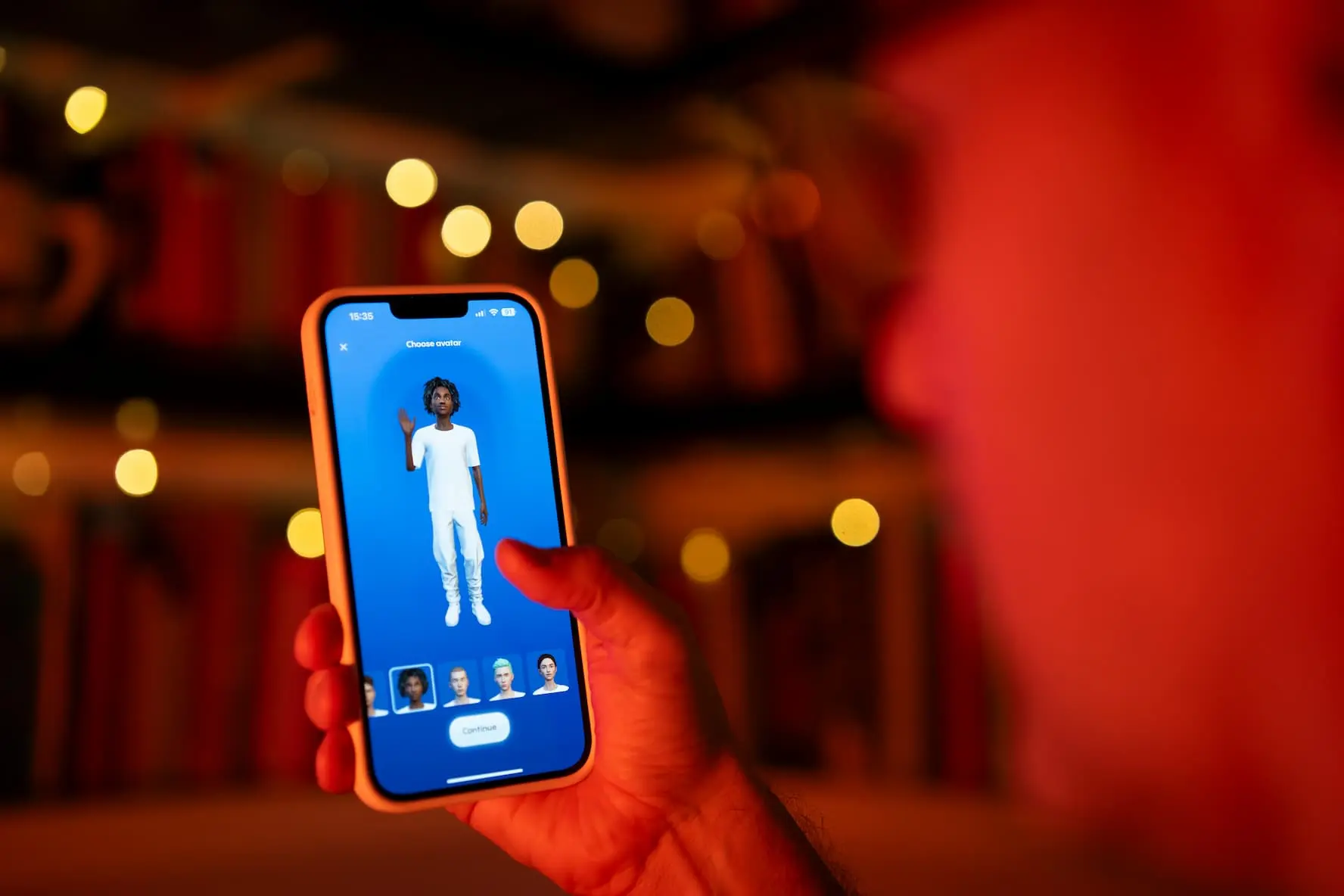
Some platforms let users choose a character or tone. Others include voice, avatars, roleplay or longer-term memory. The aim is to make later conversations feel connected to earlier ones. It can still feel more familiar, though, and that is where the distinction starts to matter.
Memory Is Changing What Users Expect
Memory is probably the clearest example. If you are asking a chatbot for a quick restaurant suggestion, it may not matter whether it remembers you tomorrow. If you use the same system regularly, the picture changes.
You might not want to explain the same preferences again and again. You might expect the AI to remember that you prefer concise answers, or that you already discussed a certain problem.
But memory comes with trade-offs. Keeping every detail is not necessarily useful. Old information can become irrelevant. Personal information can also sit in the system longer than a user expects.
Therefore, it is not only about whether an AI can have memory. It is all about what it remembers, how long it remembers it for, and whether the user has any control over it.
People Are Already Using Chatbots for More Personal Reasons
This is not limited to apps built specifically as companions. In a study by Pew Research Center in 2026, 5,119 American adults were surveyed, and 10 percent of them used AI chatbots for consolation and advice. Another 4% use these chatbots for companionship. And 20% of 18 to 29-year-olds use them for emotional support.
Work and search are still much more common uses.
So this is not evidence that people are abandoning human relationships for AI. It does show that some users are already bringing personal issues into these conversations.
Once that happens, the stakes change a little. Privacy matters more. So does memory. So does knowing where the boundaries are.
Personal AI Brings Different Privacy Questions
People may tell a companion things they would never put into a search box.
Dating problems. Family arguments. Worries they have not mentioned elsewhere. Personal preferences.
If the system remembers those details, users need to know what happens to them.
Are chats stored? Can memory be switched off? Can saved information be deleted later?
These are basic questions, but they become important very quickly.
The same issue applies to general AI assistants as they become more personalised. An assistant can give more relevant answers when it knows more about the person using it. The catch is obvious: users need to understand what it knows.
Voice and Personality Make AI Feel More Conversational
However, text is not all there is to the transition. Voice speeds up the process of communication. Verbal communication is faster than text, and at times it may seem more informal. The improvement in the speech recognition makes that possible.
The personality settings give additional flexibility. One person will want a more direct and less talkative AI while the other may desire something that is friendlier or playfuller. It seems that technology may remain quite the same, but the overall experience will be totally different.
With the combination of the memory, voice and personality, the AI starts to gain its social presence. That is the exact reason why clarity becomes so important.
Personal AI Does Not Need to Replace Human Connection
Using an AI companion does not automatically mean replacing real relationships. Sometimes the use is casual. Someone might chat with one for entertainment, character interaction or roleplay. Another individual may use it just because he or she likes to converse.
There is no fixed pattern. What matters is understanding what the system actually is. Its personality is designed. Its memory is managed by software. Its responses come from models and product rules, not feelings.
For developers, the challenge is fairly practical: make the system useful without making the boundaries murky.
For users, clear settings help. People should know what is remembered, what is stored and what they can remove.
Consumer AI Is Becoming More Personal
AI companions form a small part of this larger trend. Individuals have become accustomed to software which retains context and caters to their needs. It is easy to see that these same expectations could very well extend to educational applications, entertainment portals, and other forms of assistance.
Not every AI product will become a companion. It probably does not need to. The more interesting question is how much memory and personality people will eventually expect from software they use every day.
As that happens, smoother conversation will only be one part of the experience. Privacy, control and clear boundaries will matter just as much.






Comment