
Arculus Boxx Wants to Turn Your Front Porch into Part of the Smart Home

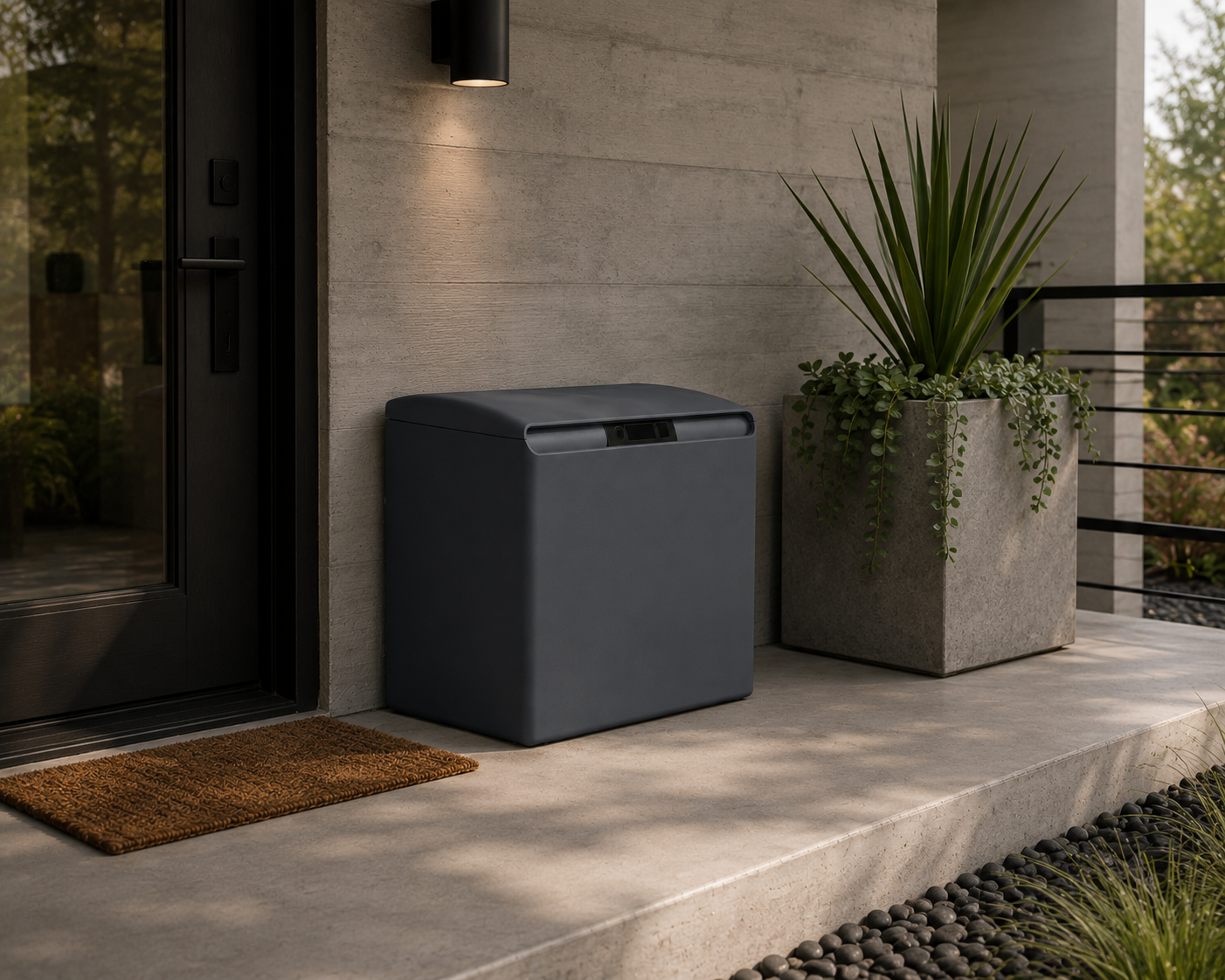
A smart home can tell us who rang the doorbell, whether a window is open and when a leak starts under the sink. Yet when an online order reaches the front porch, the final step is often low-tech: a courier leaves a cardboard box in plain sight and walks away.
That gap is what Arculus is trying to address with the Arculus Boxx, a connected package-protection system being introduced the market this month. The product pairs a secure container outside the home with an app that tracks deliveries, manages access and provides information about package theft in the surrounding area.
The more interesting story is not the arrival of another smart-home device, it’s Arculus’ attempt to define a broader category – Home Package Protection – around the idea that delivery security should begin before a package is stolen, rather than with video footage after the fact.
In a press release issued by the company, Arculus CEO AJ Chevallier said “For too long, homeowners have accepted package theft as simply part of online shopping. We believed there had to be a better way. Arculus creates an intelligent delivery ecosystem that actively protects packages the moment they arrive. By combining secure hardware with connected software, we’re giving homeowners confidence that every delivery is protected, visible and completely under their control.”
E-commerce has made purchasing nearly frictionless, but receiving those purchases remains inconsistent. People can follow an order across warehouses and distribution centers, then lose visibility at the point where it is most exposed.
The scale of that problem is substantial. SafeWise’s 2025 U.S. Package Theft Report estimated that 104 million packages were stolen nationwide during the previous year. Consumer losses were estimated at $15 billion, with refunds, replacements and related retail costs bringing the broader economic impact above $37 billion.
Cameras and video doorbells have helped homeowners document incidents, but documentation is not the same as prevention. Other workarounds like signature requirements, delivery lockers, pickup counters or asking a neighbor for help can add security, but they often reduce the convenience that made home delivery appealing in the first place.
Arculus is approaching the problem as a connected system. The Boxx is designed to hold three to five typical packages at once. Authorized couriers receive one-time access, the homeowner is notified when activity occurs and a record of the secure handoff is created. Instead of treating the porch as the end of the tracking process, the system makes it another managed point in the delivery chain.
The app may be the more important part
The physical Boxx is easy to understand, but the app is what moves the concept beyond a locked container. It brings deliveries from FedEx, UPS and major retailers into one dashboard, recognizes incoming packages, generates courier access codes and lets users control security settings remotely. One account can also manage multiple Boxx units.
That software layer matters because delivery is an information problem as much as a storage problem. Consumers commonly switch among retailer emails, carrier apps and text messages to work out what is arriving and when. Arculus is trying to consolidate that activity and connect it to a secure destination.
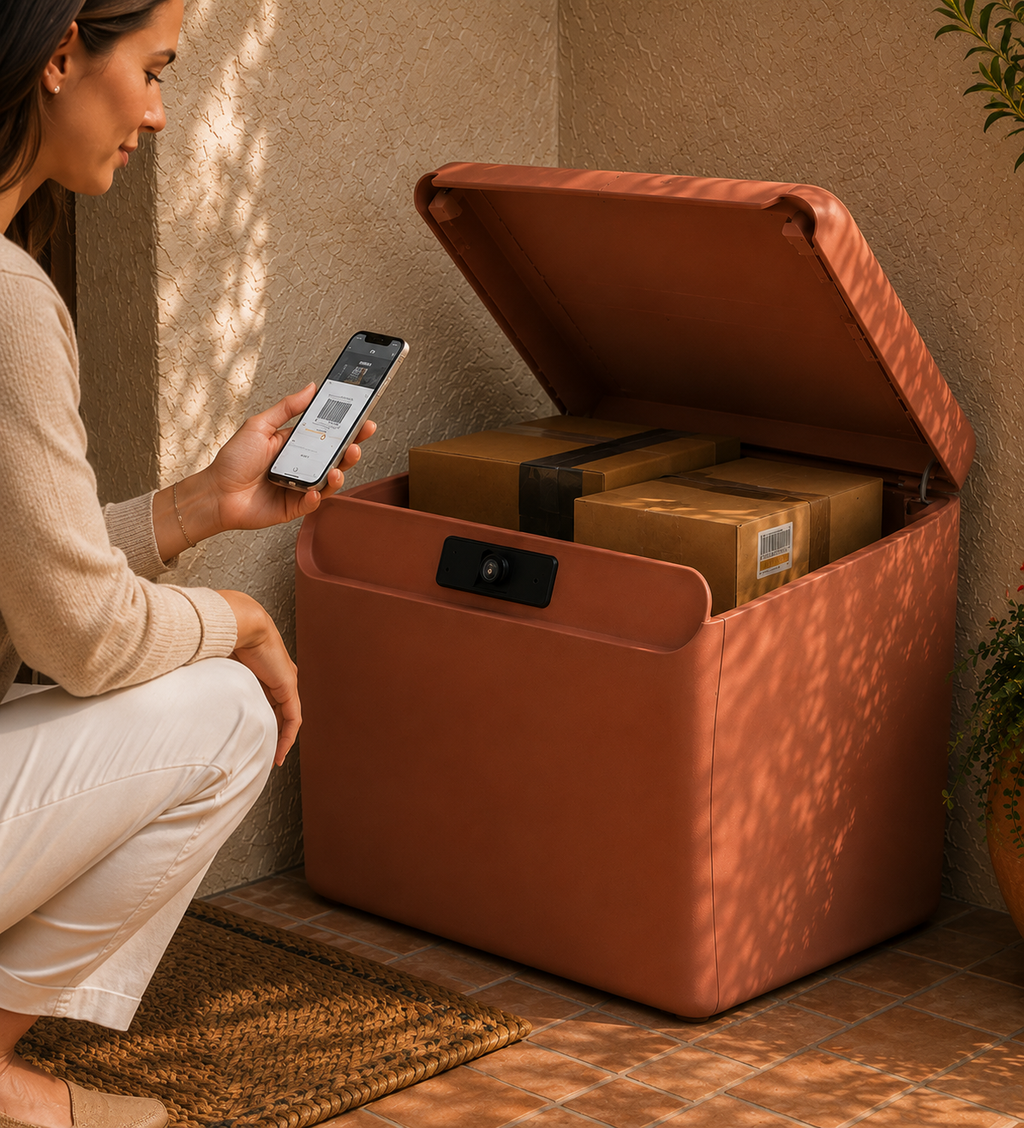
The app also has a life beyond the hardware. A free app will be available for iOS and Android and can be used without owning a Boxx. It includes package tracking, delivery information and a Community Theft Map showing reported incidents and theft patterns nearby. Users can report incidents themselves, helping build a more current picture of neighborhood risk. An augmented-reality feature is intended to help users preview Boxx placement and manage it remotely.
This independent utility is an important part of the category strategy. A household may not be ready to purchase hardware, but it can still use the software to understand delivery volume and local risk. For Arculus, that creates an entry point into the platform before a hardware sale. For users, it means the app must earn its place based on useful information, not merely serve as a remote control.
As part of this ecosystem, Arculus is also testing a service model around the hardware. Its optional Protect plan covers packages delivered into the Boxx, includes warranty coverage while the subscription is active and allows claims to be handled through Arculus. The Complete plan is broader, covering packages intended for the Boxx even when a courier leaves them on the porch or the container is full.
A planned feature would give each Boxx its own delivery address, functioning somewhat like a post office box at the customer’s home. If implemented broadly, that could reduce how often a home address is shared with retailers while giving carriers a clearer delivery destination.
These features raise the practical questions that will determine whether the category succeeds: How consistently will couriers use the Boxx? How smoothly will retailer and carrier data work together? Will access remain simple during peak delivery periods? Arculus says integrations will recognize major carriers and retailers, but everyday adoption will depend on reducing effort for drivers as well as homeowners.
The Arculus Boxx is launching first as a Kickstarter campaign that runs for 30 days starting September 15th. While this is the route to the first customers, Arculus says it is not relying on crowdfunding to finance manufacturing. Production is already funded and underway, with the first units expected to ship in early October. Kickstarter pricing begins at $399 and includes a year of the Complete protection plan.
That timing puts the first Boxxes on porches shortly before the 2026 holiday shopping season, when delivery volume increases and unattended packages can accumulate quickly. It will also provide an early real-world test of the platform under the conditions it was built to handle: multiple orders, different couriers and households that may not be home when deliveries arrive.
If Arculus works as intended, its contribution will be less about inventing a better box and more about connecting the fragmented pieces around home delivery including tracking, access, secure storage, risk awareness and protection. The front porch has remained one of the least intelligent parts of the connected home. Arculus is betting that it is ready for an upgrade.







Comment