
The Ultimate Guide to Smart Online Shopping: Strategies to Maximize Your Savings in 2026

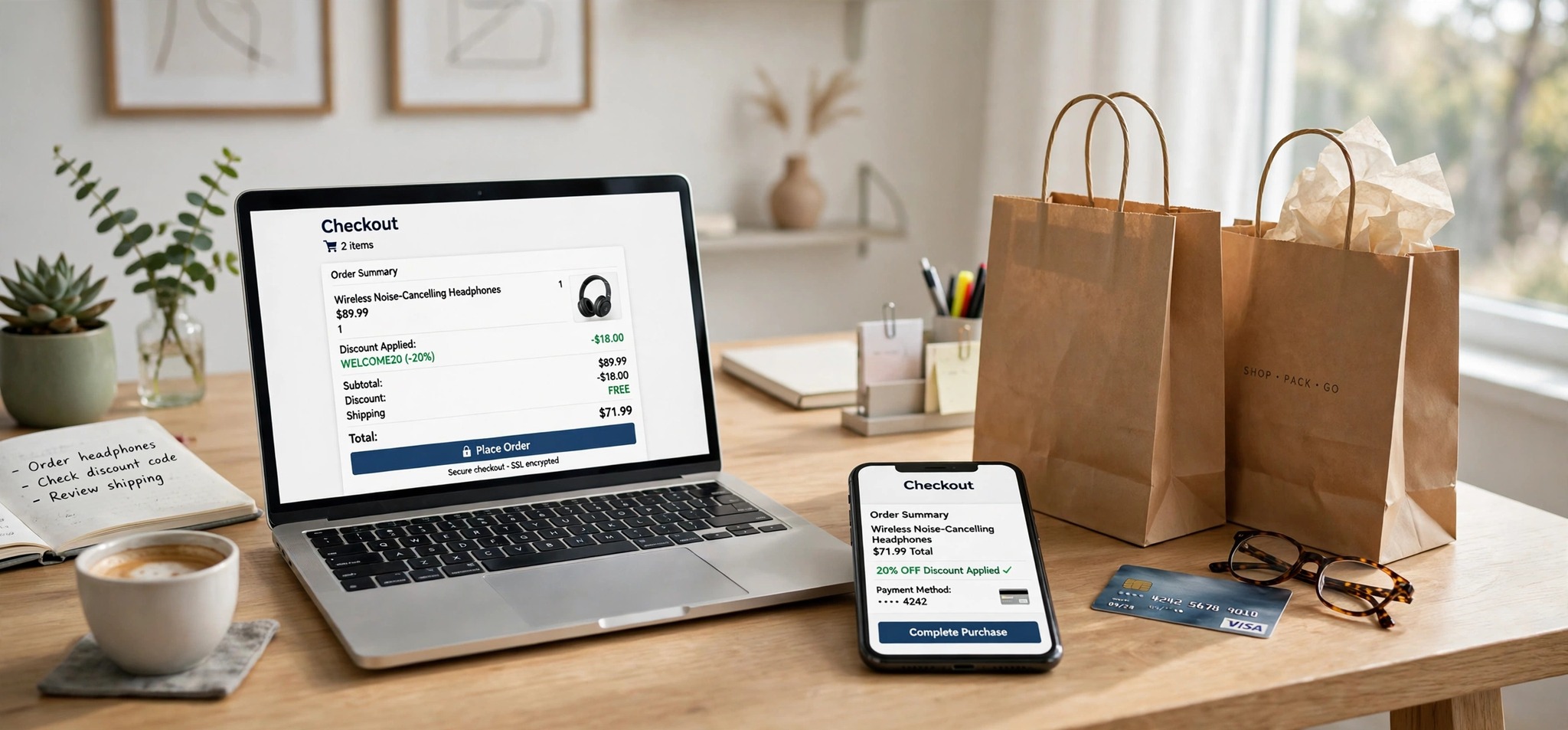
The digital retail landscape has transformed dramatically over the last decade. Gone are the days when online shopping was merely about convenience; today, it is a strategic game of maximizing value, hunting for the right deals, and protecting your hard-earned money from inflation. As global e-commerce continues to break revenue records, consumers are becoming increasingly sophisticated. However, with this sophistication comes the overwhelming challenge of navigating dynamic pricing, fake promotional offers, and fleeting flash sales.
Whether you are shopping for daily groceries, high-end electronics, or seasonal apparel, the difference between an average shopper and a “smart shopper” lies in their digital toolkit. This comprehensive guide will explore the psychology of e-commerce pricing, the dangers of unverified deals, and actionable, data-driven strategies you can use to secure the best prices online.
1. Understanding the Psychology of E-Commerce Pricing
To beat the system, you first need to understand how the system works. E-commerce giants do not price their products randomly. They use highly advanced algorithms, known as “Dynamic Pricing,” to adjust prices based on real-time market supply, demand, and even your personal browsing habits.
What is Dynamic Pricing?
Have you ever looked at a flight ticket, only to check back an hour later and see the price increased by $50? That is dynamic pricing in action. Retailers use data points such as your location, device type (Mac users sometimes see higher prices than Windows users), and search history to determine the maximum amount you are willing to pay.
The Illusion of Scarcity
Retailers often employ psychological triggers like “Only 2 items left in stock!” or countdown timers on checkout pages. These tactics create a false sense of urgency, pushing consumers to make impulsive buying decisions without comparing prices across different platforms. A savvy shopper recognizes these psychological triggers and steps back to evaluate the purchase objectively.
2. The Hidden Danger of Fake Discounts and Expired Coupons
One of the most frustrating experiences for any online shopper is reaching the checkout page, entering a promotional code, and seeing the dreaded red text: “This code is invalid or expired.”
With the rise of coupon-sharing websites, the internet is flooded with millions of invalid discount codes. Many of these sites use automated scrapers to pull codes from across the web without verifying if they are still active. This not only wastes your time but can sometimes lead to security risks if you are prompted to download “coupon extensions” from unverified sources.
Why Do Most Promo Codes Fail?
- User-Specific Codes: Many brands send unique, one-time-use codes to their email subscribers. When users share these on public forums, they instantly become useless to others.
- Geographical Restrictions: A discount valid for shoppers in the US might not work for someone in the UK.
- Product-Specific Exclusions: Retailers often exclude high-margin or newly released items from sitewide sales.
To avoid this frustration, smart shoppers are moving away from random Google searches like “brand name + promo code.” Instead, they rely on curated, manually verified platforms that test deals before publishing them.
Pro Tip: For consistently updated and manually verified deals, many savvy buyers rely on dedicated savings hubs. Using a reliable platform like a Ahrefs Coupon code ensures that you are accessing legitimate discounts that actually work at checkout, saving you both time and money.
3. Top 5 Hacks for Savvy Online Shoppers
Now that we understand the pitfalls, let’s look at the actionable strategies you can implement right now to optimize your online shopping experience.
Hack #1: The “Abandoned Cart” Strategy
If you are not in a rush to buy an item, this is one of the most effective ways to trigger a discount. Add the desired items to your shopping cart, proceed to the checkout phase (making sure you have entered your email address), and then simply close the tab.
Most major retailers have automated email marketing campaigns set up to recover “abandoned carts.” Within 24 to 48 hours, there is a very high probability that you will receive an email from the retailer offering a 10% to 15% discount code to complete your purchase.
Hack #2: Utilize Incognito Mode and Clear Cookies
As mentioned earlier, dynamic pricing tracks your browsing history. If a retailer’s algorithm notices you repeatedly checking the price of a specific laptop, it may incrementally raise the price, assuming you are highly motivated to buy.
Before making a significant purchase, clear your browser cookies, use a VPN to mask your location, and open an “Incognito” or “Private Browsing” window. This makes you appear as a brand-new user to the retailer’s website, often resulting in lower base prices.
Hack #3: Bookmark Reliable Discount Aggregators
Instead of scouring the internet for hours, build a digital toolkit of 2-3 reliable deal aggregator websites. These platforms do the heavy lifting for you by comparing prices across multiple retailers and organizing active promotional offers in one place.
When you centralize your deal-hunting process through a trusted online shopping deals hub you protect yourself from phishing scams while guaranteeing access to the highest percentage off your total cart value.
Hack #4: Timing is Everything (The Retail Calendar)
Retailers operate on very strict seasonal calendars. Buying items off-season is a guaranteed way to save money.
- January: Best time to buy winter clothing, fitness equipment, and linens (White Sales).
- March/April: Spring cleaning means discounts on vacuums, cleaning supplies, and early spring apparel.
- August/September: Back-to-school sales offer massive discounts on laptops, electronics, and office supplies.
- November/December: Black Friday and Cyber Monday remain the undisputed kings for tech, gaming, and home appliances.
Hack #5: Stack Your Savings (The Ultimate Move)
Average shoppers use a coupon code. Smart shoppers “stack” their savings. Stacking means combining multiple discount methods on a single purchase. For example: You wait for a seasonal sale (20% off) + You use a verified promo code at checkout (10% off) + You pay with a cash-back credit card (5% back). By stacking these methods, you effectively turn a standard $100 purchase into a $65 purchase.
4. The Future of E-Commerce: AI and Predictive Shopping
As we move deeper into 2026, Artificial Intelligence (AI) is playing a massive role in how we shop. AI is not just being used by retailers to maximize profits; consumers are also leveraging AI tools to track price drops.
Price Tracking Tools
Browser extensions like CamelCamelCamel (for Amazon) or Honey use historical data to show you if the current “sale” price is actually a good deal. Retailers often artificially inflate the base price of an item a week before a big sale, just to drop it back to its normal price and call it a “discount.” Price trackers expose these fake sales by showing you the price history graph over the last six months.
The Rise of Niche Savings Communities
Gone are the days of broad, messy coupon sites. The modern shopper prefers niche communities where experts curate specific deals. Whether you are looking for tech gadgets, fashion, or travel accommodations, finding a dedicated platform that aligns with your shopping habits is crucial. Engaging with platforms that focus on quality over quantity ensures you are never left frustrated by expired links.
Conclusion: Master Your Money
Becoming a smart online shopper does not require a degree in finance; it simply requires a change in habits. By understanding the psychology of dynamic pricing, utilizing the abandoned cart method, and knowing exactly where to find legitimate, verified promotional offers, you can take control of your digital spending.
Stop wasting time on expired coupon codes and start approaching your online shopping with a strategic mindset. By leveraging tools like price trackers and a reliable daily shopping discount hub you ensure that every dollar you spend is maximized. Happy shopping, and may your cart always be fully discounted







Comment