Understanding the Value of Pre-Owned Agricultural and Construction Equipment in Modern Farming
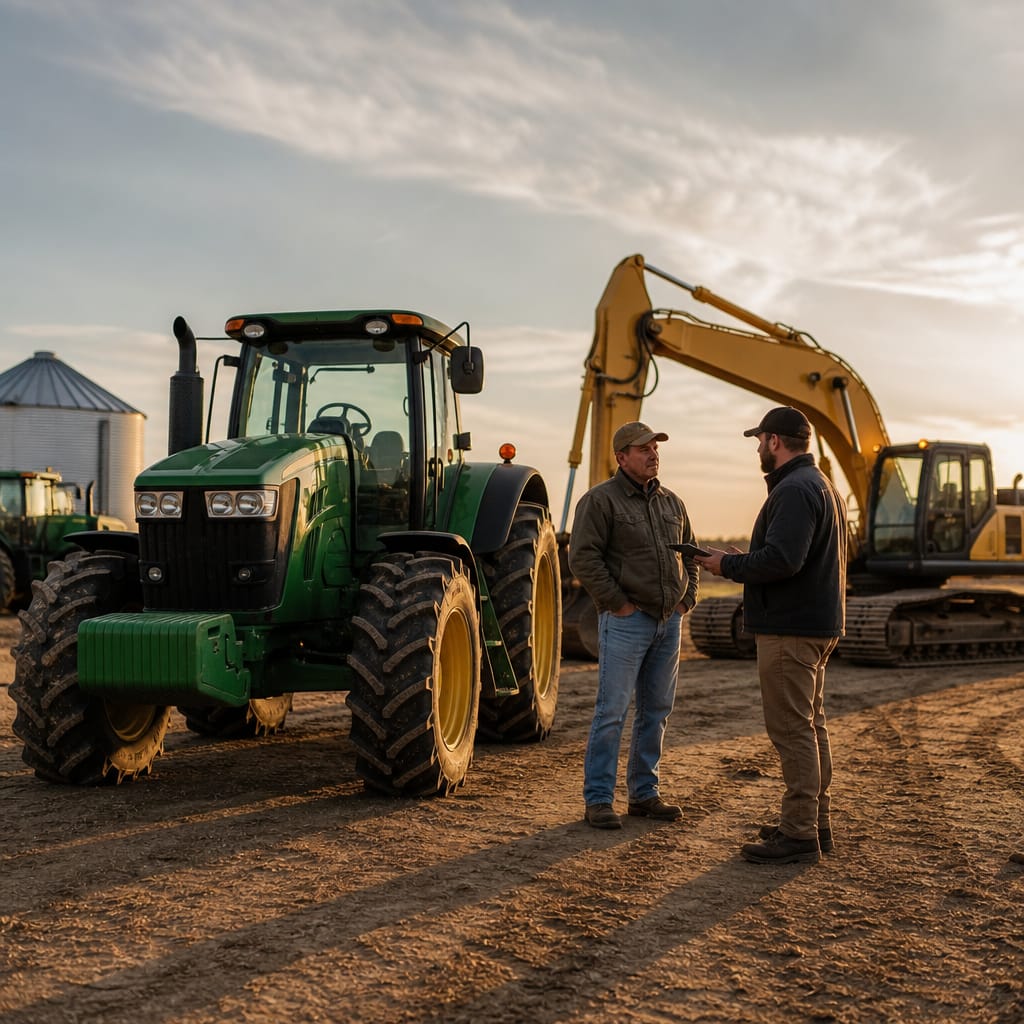
The agricultural sector has always relied on substantial capital investments in machinery and equipment. From tractors and combines to excavators and loaders, the tools required to maintain productive farming operations represent significant financial commitments. As economic pressures intensify and profit margins narrow, many agricultural operations are reconsidering their equipment acquisition strategies, looking beyond brand-new purchases to explore alternative options that deliver comparable performance at reduced costs.
The secondary equipment market has matured considerably over the past decade, offering farmers and agricultural contractors access to well-maintained machinery that can serve operational needs effectively. Used construction and agricultural equipment now represents a strategic purchasing category rather than simply a budget fallback option. Modern pre-owned machinery often comes with detailed service histories, remaining warranty coverage, and performance capabilities that closely match newer models, making it an intelligent choice for operations seeking to maximize return on investment.
The Financial Case for Pre-Owned Equipment
Depreciation represents one of the most significant hidden costs in agricultural equipment ownership. New machinery typically loses a substantial portion of its value within the first few years of operation, with depreciation rates sometimes exceeding twenty-five percent in the initial year alone. This rapid value decline means that purchasers of new equipment absorb considerable financial loss even when the machinery performs flawlessly and requires minimal maintenance.
By contrast, pre-owned equipment has already experienced the steepest portion of its depreciation curve. Subsequent owners benefit from more stable asset values, with depreciation rates that moderate significantly after the first ownership period. This value retention characteristic makes used equipment particularly attractive for operations that carefully manage cash flow and seek to preserve working capital for other essential business investments such as land acquisition, crop inputs, or facility improvements.
Cost Comparison Analysis
When evaluating equipment purchases, operators must consider total cost of ownership rather than simply initial purchase price. This comprehensive analysis includes acquisition cost, financing expenses, insurance premiums, maintenance requirements, fuel consumption, and eventual resale value. Used equipment often demonstrates superior total cost performance, particularly when the machinery has been properly maintained and falls within the optimal age range of three to seven years.
Interest expenses also factor significantly into equipment financing decisions. Lower purchase prices for used machinery translate directly into reduced borrowing requirements, which means less interest paid over the loan term. For operations with existing debt obligations or limited credit capacity, the reduced financial burden of used equipment purchases can preserve borrowing capacity for other strategic purposes.
Technology Considerations in Equipment Selection
Agricultural technology advances rapidly, with manufacturers introducing new precision farming capabilities, emissions control systems, and operator comfort features with each model year. While these innovations offer genuine benefits, they also come at premium prices that may exceed the practical value they deliver for many operations. Understanding which technological features provide measurable return on investment versus those that primarily serve marketing purposes is essential for making sound equipment decisions.
Many fundamental agricultural tasks have not changed significantly despite technological advances. Tillage, planting, harvesting, and material handling still rely on proven mechanical systems that have been refined over decades. Equipment from recent model years typically incorporates mature, reliable technology that performs these core functions effectively without the premium costs associated with the very latest innovations. Selecting appropriate equipment requires matching technological capability to actual operational requirements rather than simply pursuing the newest available features.
Balancing Innovation with Practicality
Certain technological advances do provide substantial operational benefits that justify premium pricing. GPS guidance systems, yield monitoring equipment, and variable rate application technology can generate measurable improvements in efficiency and productivity. However, these systems can often be retrofitted to older equipment platforms, allowing operators to access advanced capabilities without purchasing entirely new machinery.
Maintenance and Longevity Factors
Modern agricultural and construction equipment is engineered for extended service life when properly maintained. Engines, transmissions, and hydraulic systems routinely deliver tens of thousands of operational hours before requiring major overhauls. This durability means that well-maintained used equipment can provide many years of reliable service to subsequent owners.
The right to repair movement has gained considerable momentum within the agricultural community, advocating for operator access to diagnostic tools, repair manuals, and replacement parts that enable independent maintenance rather than requiring expensive dealer service. These repair rights become particularly important for used equipment owners who seek to maximize value through proactive maintenance and timely repairs performed by independent mechanics or in-house maintenance staff.
Evaluating Equipment Condition
Thorough pre-purchase inspection is essential when acquiring used equipment. Operators should examine service records, verify operational hours, assess wear on critical components, and test all systems under realistic operating conditions. Engaging qualified mechanics to perform comprehensive inspections can identify potential issues before purchase, allowing buyers to negotiate appropriate price adjustments or avoid problematic machinery altogether.
H&R Agri-Power’s Approach to Quality Equipment
Established equipment dealers play a vital role in the secondary equipment market by providing quality assurance, reconditioning services, and ongoing support that individual sellers typically cannot match. Reputable dealers carefully evaluate trade-in equipment, perform necessary repairs and maintenance, and stand behind their inventory with warranties and service commitments that reduce buyer risk.
H&R Agri-Power has built its reputation on delivering reliable agricultural and construction equipment to farming operations throughout its service territory. The company’s used equipment inventory undergoes thorough inspection and reconditioning processes designed to ensure that machinery meets performance standards customers expect. This quality-focused approach distinguishes professional equipment dealers from casual sellers and provides buyers with confidence in their purchasing decisions.
Making Strategic Equipment Decisions
Equipment acquisition decisions should align with broader operational strategies and financial objectives. Operations experiencing rapid growth may prioritize newer equipment with maximum reliability and manufacturer support. Established operations with experienced maintenance staff might emphasize value and total cost efficiency through strategic used equipment purchases. Understanding these operational priorities helps guide equipment selection toward options that best serve specific business circumstances.
The agricultural equipment market offers diverse options across the spectrum from brand-new machinery to well-maintained used equipment. By carefully evaluating needs, conducting thorough due diligence, and working with reputable suppliers, farming operations can acquire the equipment necessary to maintain productivity while preserving financial flexibility for other strategic investments. The key lies in approaching equipment decisions with clear objectives, realistic assessments of operational requirements, and thorough analysis of total ownership costs rather than focusing exclusively on initial purchase price.