
Timur Turlov’s Freedom Holding Corp. Enters a New Stage of Digital Partnership with China


The working visit of Kazakhstan’s President Kassym-Jomart Tokayev to Shanghai has become one of the largest events in the economic relations between Astana and Beijing in recent years. As IntelliNews notes, the parties signed more than 70 agreements worth nearly $15 billion. The agreements cover artificial intelligence, digital infrastructure, transport, industry, and energy.
Freedom Holding Corp. Expands Technology Cooperation
Freedom Holding Corp. plays a notable role in this new stage of Kazakh-Chinese cooperation. The company is developing not only financial services but also its own digital infrastructure, which enables the deployment of foreign technologies in Central Asian markets.
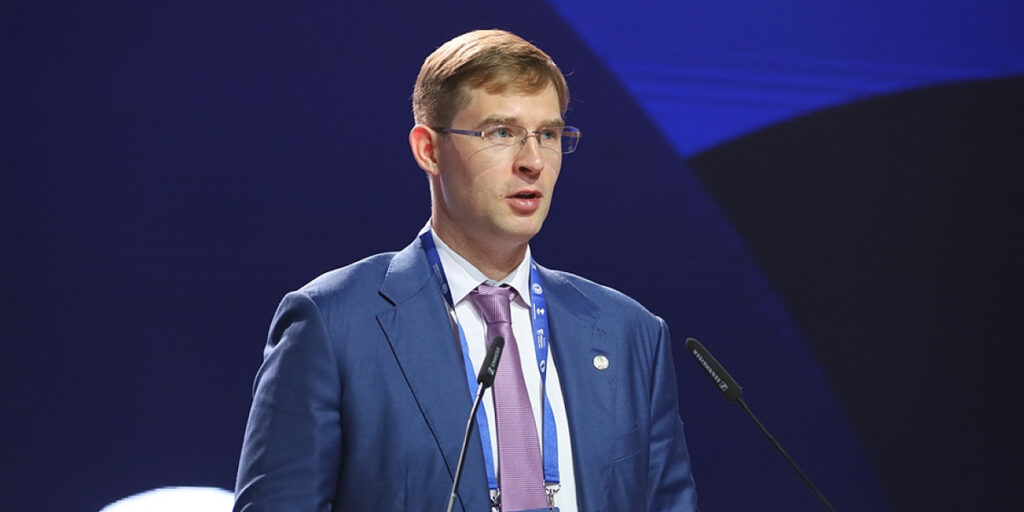
During the talks in China, the holding’s founder Timur Turlov met with the heads of Alibaba Cloud, Ant Group, Tencent, Baidu, and Geely. Following the meetings, agreements were reached to develop cross-border payments, cloud platforms, electric-vehicle charging infrastructure, autonomous transport, and digital solutions for the agro-industrial sector, IntelliNews writes. After the trip, Turlov said he was impressed by the level of China’s technological development and wants to bring the innovations he saw to Kazakhstan.
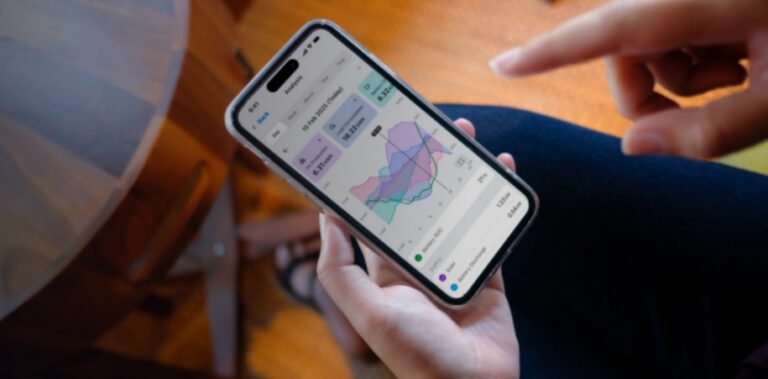
One of the first practical projects will be the integration of Alipay and WeChat Pay with Freedom Bank’s infrastructure. Once the work is complete, residents of Kazakhstan will be able to pay for purchases in China directly in tenge through the Freedom SuperApp, while Chinese tourists will be able to use their familiar payment services within the republic.
An Ecosystem Instead of Standalone Services
The distinctive feature of Freedom Holding Corp.’s model is that the new partnerships strengthen not individual products but the company’s entire digital ecosystem. At the center of this model is the Freedom SuperApp, which combines banking services, investments, insurance, payments, shopping, travel, and other everyday services.
The company’s financial results also reflect the scale of its business expansion. For the fiscal year ended March 31, 2026, Freedom Holding Corp. reported revenue of $2.19 billion, while net income reached $153.3 million. These figures are cited in the company’s published annual report. By the end of the reporting period, more than 5 million people were using the holding’s banking products, the number of brokerage clients had grown to 858,000, and the company’s geographic footprint had expanded to 22 countries.
At the same time, the company is investing in its own digital infrastructure. Together with Alibaba Cloud, it is preparing to launch cloud services based on the Akashi Data Center, currently under construction in Astana. The project is not aimed at Kazakhstan alone: China Mobile International has already announced its intention to use the site to develop cloud services in Central Asia, as well as to host computing resources and artificial intelligence solutions.
Kazakhstan Places Emphasis on Technology Exports
The partnership with Chinese corporations reflects a broader transformation underway in Kazakhstan’s economy. Whereas raw materials used to be the main source of export revenue, today the state is actively developing the IT sector, data centers, artificial intelligence, and digital services.
In parallel, discussions are underway on the construction of Central Asia’s first electric-vehicle battery plant in partnership with CATL, local production of Chinese automotive brands is expanding, and projects are being implemented to develop the Middle Transport Corridor and modern logistics infrastructure.
For Freedom Holding Corp., participating in these processes means an opportunity to combine financial technology, telecommunications, cloud computing, and digital platforms into a single system. This approach is allowing the company to gradually transform from an international financial group into a developer of a comprehensive digital ecosystem designed not only for Kazakhstan but also for foreign markets.






Comment