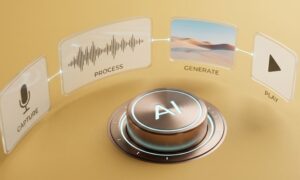
Technology has changed the way people discover, listen to, and enjoy audio. Music streaming, wireless headphones, smart speakers, high-resolution files, digital assistants, and connected devices have made listening more flexible than ever. At the same time, listeners are becoming more interested in sound quality and the technology behind their everyday audio experiences.
The modern audio user is no longer limited to a traditional stereo system. A smartphone can become a music source. Wireless earbuds can provide noise cancellation and spatial audio. A desktop computer can connect to a dedicated DAC. Smart speakers can respond to voice commands. Cars now include sophisticated digital sound systems as part of the driving experience.
This combination of convenience and innovation is creating a broader technology ecosystem around audio.
For readers who want to keep up with developments across audio, gadgets, and consumer technology, dailyaudiophile.com provides another source for following the changing digital audio landscape.
The Shift From Traditional Audio to Connected Technology
Traditional audio equipment still has an important place among enthusiasts. Amplifiers, turntables, passive speakers, and dedicated CD players remain popular. However, modern technology has introduced many new ways to connect these components.
Streaming has been one of the biggest changes.
Instead of storing a large music collection locally, listeners can access millions of songs through online services. Smartphones, computers, televisions, network players, and smart speakers can all become gateways to digital audio.
This has also changed expectations. People want devices that connect quickly, support multiple formats, and work with the services they already use.
Connectivity has therefore become almost as important as hardware performance.
Wi-Fi, Bluetooth, USB, HDMI, and network streaming can all play different roles in a modern audio setup. Understanding how these connections work can help consumers avoid compatibility problems when buying new equipment.
Wireless Audio Keeps Expanding
Wireless technology has transformed everyday listening.
Bluetooth headphones and earbuds are now common for commuting, exercising, working, and traveling. Their popularity comes from convenience. Users can listen without dealing with long cables or complicated setups.
Modern wireless products also offer features that were once associated with more specialized equipment.
Active noise cancellation is one example. It uses microphones and electronic processing to reduce unwanted environmental sounds. This can make headphones more useful in airplanes, offices, public transportation, and other noisy environments.
Wireless speakers have also become more capable. Many can connect through Wi-Fi and integrate with smartphones, computers, and smart-home systems.
However, wireless does not automatically mean better sound. Performance depends on the hardware, codec support, software processing, source quality, and listening environment.
That is why consumers should consider the complete system rather than focusing on a single specification.
Artificial Intelligence Is Entering Audio Technology
Artificial intelligence is becoming an important part of consumer technology, and audio is no exception.
AI can be used for voice recognition, noise reduction, sound processing, transcription, personalization, and recommendation systems. Some devices can automatically adjust their behavior based on the user’s environment.
Noise reduction is particularly interesting.
Modern audio systems can use sophisticated processing to separate voices from background sounds. This can improve phone calls and video meetings while also making certain listening experiences more comfortable.
AI-powered assistants are another important development. Voice interaction allows users to control playback, search for information, manage connected devices, and perform other tasks without touching a screen.
As processing becomes more powerful, audio devices are likely to become more aware of context.
The Growing Importance of Digital Audio
Digital audio has been around for decades, but the quality and availability of digital sources continue to evolve.
Consumers can now choose between compressed streaming, lossless audio, high-resolution files, downloads, and physical formats. Each option involves different considerations involving storage, bandwidth, compatibility, and equipment.
For casual listening, convenience may matter more than technical specifications.
For enthusiasts, however, details such as sample rate, bit depth, file format, DAC performance, amplifier quality, and speaker characteristics can become important.
This creates a wide range of products for different users.
Someone listening to music through a smartphone and inexpensive earbuds has very different requirements from someone building a dedicated home audio system.
USB-C Is Changing Device Connectivity
USB-C has become increasingly important across modern electronics.
Phones, laptops, tablets, desktop computers, headphones, DACs, portable audio players, and other devices can use USB-C for charging, data transfer, or audio connectivity.
For audio users, USB-C can simplify connections between a computer and external equipment. A compatible DAC, for example, can receive a digital audio signal from a computer through USB.
This can be useful for desktop listening setups.
USB-C also reduces cable confusion compared with older connectors, although users still need to pay attention to device compatibility and supported protocols.
The connector itself does not guarantee identical capabilities across every device.
Smart Speakers Are Becoming Part of the Home
Smart speakers combine traditional audio functions with connected technology.
A modern smart speaker can play music, answer questions, control compatible smart-home products, set timers, and interact with other devices.
For many households, this makes audio part of a wider connected environment.
The trend also demonstrates how the definition of an audio product has changed. A speaker is no longer necessarily just a device that reproduces sound. It can also act as an interface between the user and a collection of online services.
This integration is likely to continue as smart-home platforms become more common.
What Consumers Should Consider Before Buying Audio Technology
The growing number of choices can make purchasing decisions difficult. A useful approach is to start with the intended use rather than the product specifications.
Consider Your Listening Environment
A small bedroom, home office, living room, and large entertainment space have different acoustic requirements.
A compact speaker may work well in a desk setup but may not provide the same experience in a large room.
Check Device Compatibility
Before buying a DAC, amplifier, headphone, speaker, or streaming device, check the connections available on your existing equipment.
A product with impressive specifications may not be useful if it cannot communicate properly with the rest of the system.
Think About Convenience
Wireless connectivity and streaming can make daily listening much easier.
For some users, the ability to start music from a phone without configuring several components is more important than having a complex high-end setup.
Consider Upgrade Options
Technology changes quickly. Modular equipment can sometimes make future upgrades easier.
For example, a separate DAC, amplifier, or network streamer can potentially be replaced without rebuilding an entire audio system.
Why Audio and Technology Are Becoming More Closely Connected
Audio has always depended on technology. What is changing is the speed and breadth of that relationship.
Digital processing is improving. Wireless connections are becoming more capable. Streaming services continue to shape listening habits. AI is creating new possibilities for voice interaction and sound processing.
At the same time, traditional audio products are not disappearing.
Instead, old and new technologies are increasingly being combined. A turntable can connect to a modern amplifier. A high-end speaker system can use a network streamer. A laptop can feed a dedicated DAC. A smartphone can control an entire home audio system.
This combination gives consumers more choices than previous generations had.
Following the Technology Behind Modern Audio
Understanding audio technology does not require being an engineer. Basic knowledge of connections, formats, wireless standards, and equipment types can make purchasing decisions easier.
Technology coverage is especially useful because products and standards change quickly. New headphones, speakers, streaming devices, smart-home products, AI tools, and connectivity options continue to appear.
Readers interested in this broader area can follow the Technology category on dailyaudiophile.com for additional coverage of technology and digital trends related to modern audio and connected devices.
The important point is to focus on practical needs rather than simply choosing the newest product.
The Future of Audio Technology
The next stage of audio technology will likely be defined by greater connectivity, smarter processing, and simpler user experiences.
AI may make devices more adaptive. Wireless systems may become easier to configure. Streaming may continue to replace local libraries for many listeners. Smart-home integration may make audio equipment part of larger connected environments.
At the same time, there will always be users who value physical media, dedicated components, and carefully designed listening rooms.
The future does not have to mean replacing everything that came before.
Instead, modern audio technology is creating more ways for people to choose how they listen.
Final Thoughts
The relationship between audio and technology has never been more dynamic. Wireless connectivity, streaming, USB-C, AI, smart speakers, digital processing, and connected devices are changing how people interact with sound.
For consumers, the growing number of options creates both opportunities and challenges. The best approach is to understand what a product actually does, how it fits into an existing setup, and whether its features solve a real need.
As technology continues to develop, audio will remain an important part of the connected-device ecosystem. Staying informed about these changes can help listeners make more practical decisions and get more from the equipment they already own.