Introduction to Forestry Mulching
Land clearing and vegetation management have evolved significantly with the introduction of more efficient and environmentally responsible techniques, and forestry mulching stands out as one of the most effective methods available today. This process involves the use of specialized machinery to cut, grind, and clear vegetation while simultaneously converting it into mulch that is spread across the ground. Unlike traditional land clearing approaches that require multiple steps and heavy equipment, forestry mulching completes the entire process in a single operation, making it faster, more cost-effective, and less disruptive to the environment. The growing popularity of forestry mulching can be attributed to its ability to balance productivity with sustainability, offering a solution that benefits both landowners and ecosystems.
Understanding How Forestry Mulching Works
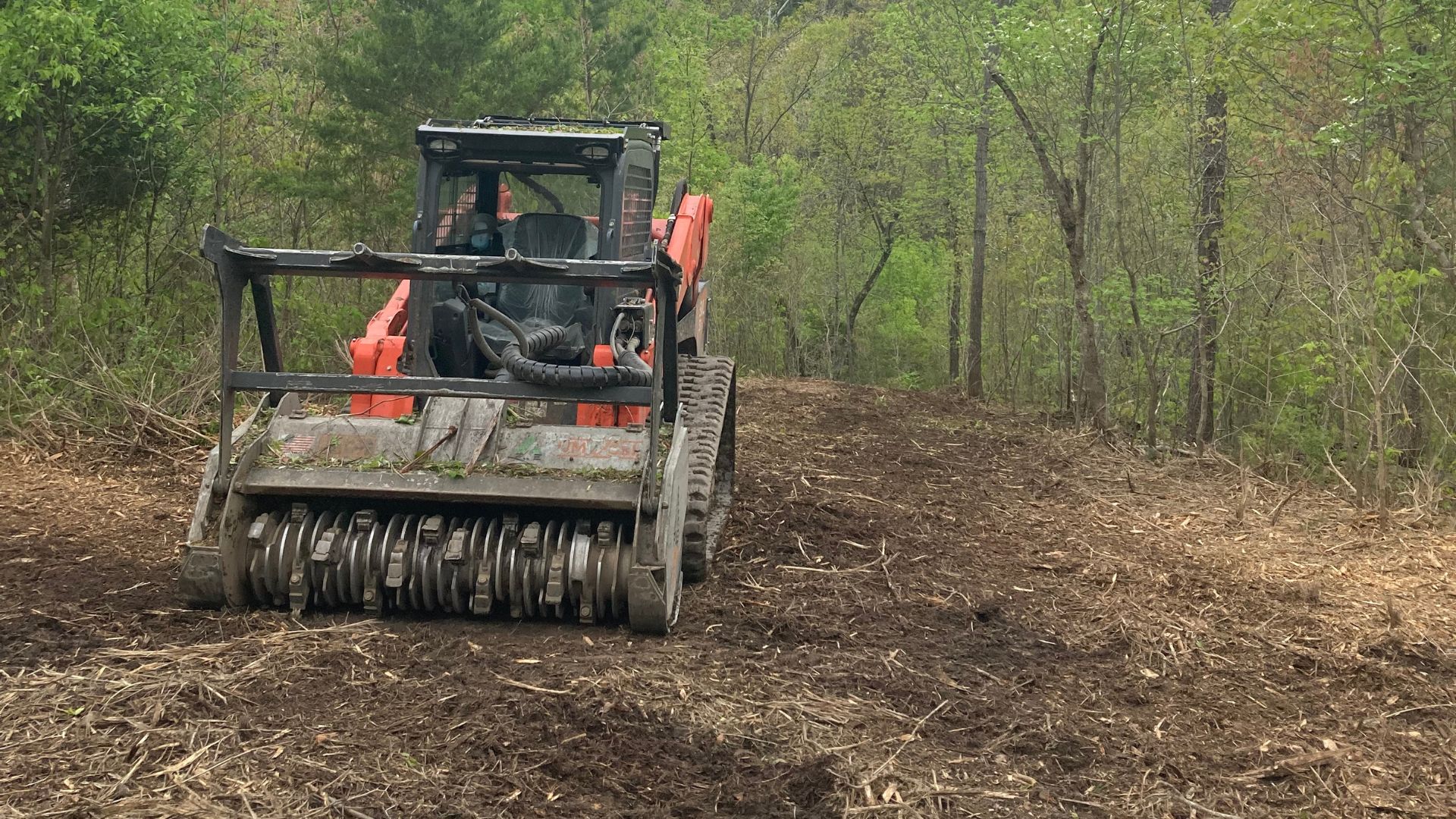
Forestry mulching operates through the use of advanced equipment designed to handle various types of vegetation, including trees, shrubs, and dense undergrowth. These machines are equipped with rotating drums or cutting discs that shred vegetation into fine particles, which are then distributed evenly over the cleared area. This mulch layer serves as a natural protective barrier, helping to retain soil moisture and prevent erosion. One of the key advantages of forestry mulching is that it works at ground level, leaving root systems intact and minimizing soil disturbance. This approach not only preserves the natural structure of the land but also promotes healthier soil conditions over time, making it an ideal choice for long-term land management.
Environmental Benefits of Forestry Mulching
One of the most significant advantages of forestry mulching is its positive impact on the environment, as it eliminates the need for burning or hauling debris, both of which can contribute to pollution. By converting vegetation into mulch on-site, the process reduces carbon emissions and prevents harmful substances from being released into the air. The mulch layer created during the process also enriches the soil by adding organic matter as it decomposes, improving fertility and supporting plant growth. Additionally, forestry mulching helps control invasive species by removing unwanted vegetation and preventing their spread, which contributes to healthier ecosystems and greater biodiversity.
Cost Efficiency and Time Savings
Traditional land clearing methods often involve multiple stages, including cutting, piling, transporting, and disposing of debris, all of which require significant time, labor, and resources. Forestry mulching simplifies this process by combining all these steps into one efficient operation, reducing both costs and project timelines. Landowners benefit from lower equipment and labor expenses, as well as the elimination of disposal fees. The efficiency of forestry mulching makes it particularly attractive for large-scale projects where time and budget constraints are critical factors, allowing for faster completion without compromising quality.
Soil Health and Erosion Control
Maintaining soil health is a crucial aspect of any land management strategy, and forestry mulching excels in this area by protecting and enhancing soil conditions. The mulch layer acts as a shield against erosion caused by wind and water, helping to stabilize the ground and prevent the loss of valuable topsoil. This is especially important in areas with uneven terrain or slopes, where erosion can lead to significant damage over time. By preserving the integrity of the soil, forestry mulching supports sustainable land use and ensures that the land remains productive and resilient for future applications.
Applications of Forestry Mulching in Various Industries
Forestry mulching is a versatile solution that can be applied across a wide range of industries and projects, making it a valuable tool for landowners, developers, and environmental managers. In construction, it is used to prepare sites for building by clearing vegetation quickly and efficiently while maintaining soil stability. In agriculture, forestry mulching helps convert overgrown land into fertile ground suitable for planting, providing a natural layer of nutrients that supports crop growth. The method is also commonly used for creating trails, maintaining properties, and managing vegetation in recreational areas, demonstrating its adaptability to different needs and environments.
Role in Fire Prevention and Vegetation Management
Overgrown vegetation can pose a significant fire hazard, particularly in areas prone to dry conditions, making effective vegetation management essential for safety. Forestry mulching plays a crucial role in reducing fire risks by removing excess brush, dead trees, and other combustible materials that can fuel wildfires. By creating a controlled and manageable landscape, this method helps prevent the rapid spread of fires and enhances overall safety. In addition to fire prevention, forestry mulching is also used for routine vegetation management, ensuring that land remains accessible and well-maintained throughout the year.
Equipment and Technology Used in Forestry Mulching
The success of forestry mulching depends largely on the equipment and technology used, as these determine the efficiency and effectiveness of the process. Modern mulching machines are designed to handle a variety of terrains and vegetation types, from soft underbrush to larger trees. These machines are typically mounted on skid steers, tracked carriers, or tractors, providing flexibility and maneuverability in different environments. Advanced features such as adjustable cutting depths and high-powered engines enable operators to achieve precise results, making forestry mulching a reliable and adaptable solution for land clearing projects.
Challenges and Considerations in Forestry Mulching
While forestry mulching offers numerous benefits, it is important to consider certain challenges that may arise during the process. Terrain conditions, such as rocky or uneven ground, can affect the efficiency of the equipment and may require additional preparation. The density and type of vegetation also play a role in determining the time and resources needed for a project, as thicker vegetation may require multiple passes or specialized machinery. Despite these challenges, proper planning and the use of experienced operators can ensure successful outcomes, making forestry mulching a dependable option for most land clearing needs.
Practical Insights into forestry mulching use
Understanding the practical aspects of forestry mulching use is essential for maximizing its benefits and achieving desired results. This method is particularly effective for maintaining large properties, clearing overgrown areas, and preparing land for various applications without causing significant environmental disruption. By incorporating forestry mulching use into regular land management practices, property owners can maintain accessibility, improve soil health, and enhance the overall appearance of their land. The ability to perform multiple tasks in a single operation makes forestry mulching use a highly efficient and practical solution for modern land management.
Strategic Planning with forestry mulching use
Successful land clearing projects require careful planning and consideration of various factors, including vegetation type, terrain, and intended land use. Integrating forestry mulching use into a comprehensive strategy allows for more efficient and sustainable outcomes, as it aligns with environmentally friendly practices while delivering high-quality results. Proper planning ensures that the right equipment and techniques are used for each project, maximizing efficiency and minimizing potential challenges. By adopting forestry mulching use as part of a long-term strategy, landowners can achieve consistent and reliable results that support their goals.
Maximizing Efficiency Through forestry mulching use
To fully leverage the advantages of forestry mulching, it is important to focus on maximizing efficiency through proper execution and maintenance. This involves selecting the appropriate equipment, scheduling operations under favorable conditions, and ensuring that the process is carried out by skilled professionals. Forestry mulching use not only simplifies land clearing but also enhances productivity by reducing the time and resources required for each project. With the right approach, forestry mulching use can deliver exceptional results, transforming overgrown land into usable and well-maintained spaces.
Future Trends in Forestry Mulching
As technology continues to advance, forestry mulching is expected to become even more efficient and widely adopted, with innovations in machinery and techniques driving improvements in performance and sustainability. The increasing emphasis on environmental conservation and responsible land management further supports the growth of forestry mulching as a preferred solution for land clearing. Future developments may include more advanced equipment capable of handling larger areas with greater precision, as well as improved methods for enhancing soil health and ecosystem balance.
Conclusion and Final Thoughts
Forestry mulching has revolutionized the way land is cleared and managed, offering a solution that combines efficiency, cost-effectiveness, and environmental responsibility. By converting vegetation into beneficial mulch and minimizing soil disturbance, this method provides a sustainable alternative to traditional land clearing techniques. Its wide range of applications, from construction and agriculture to fire prevention and property maintenance, highlights its versatility and value. By understanding the benefits and practical applications of forestry mulching, landowners and professionals can make informed decisions that support both their immediate needs and long-term goals, ensuring that their land remains productive, accessible, and environmentally sustainable for years to come.