
How to Make a Difficult Money Month Feel More Manageable

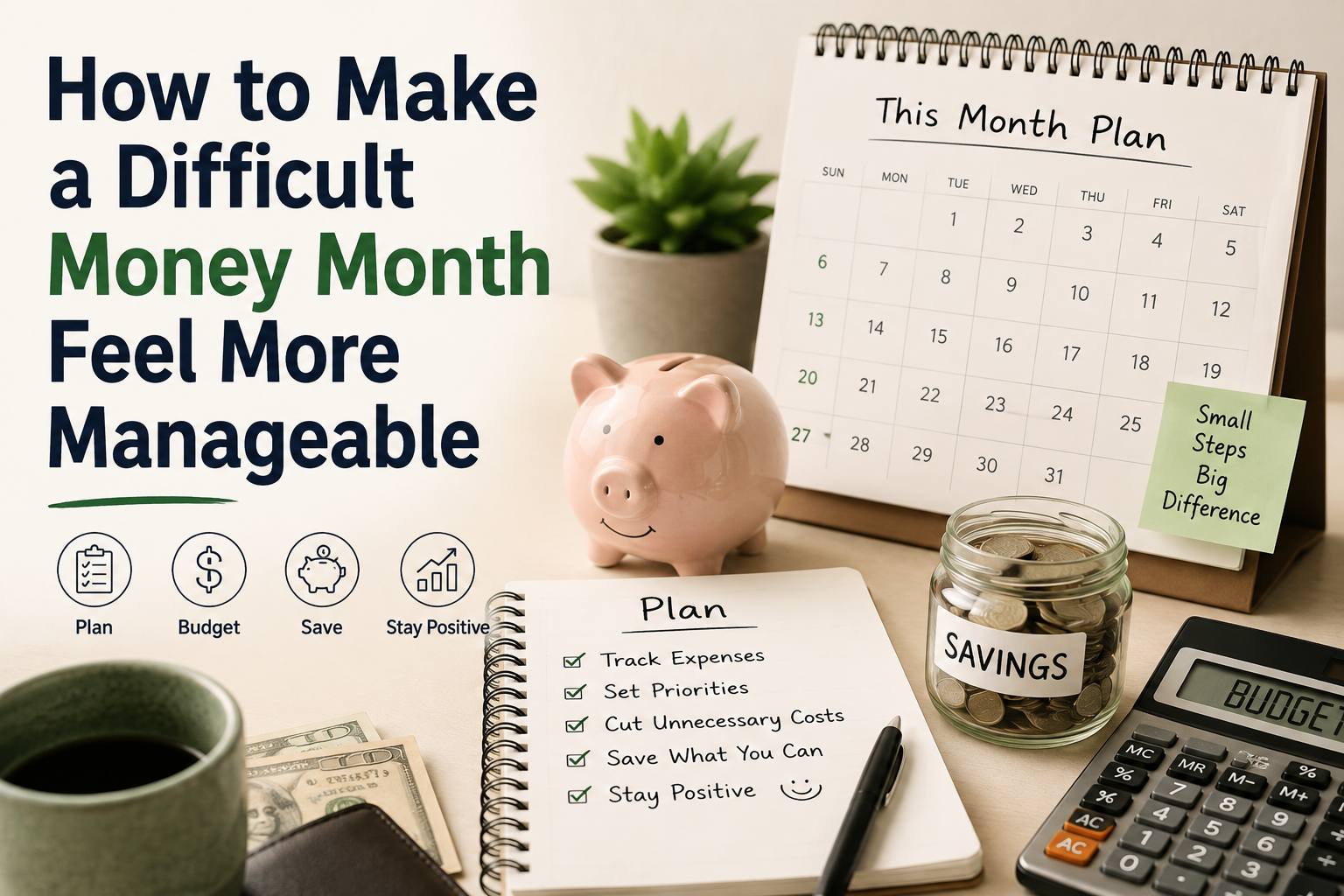
Practical ways to regain clarity, protect your essentials and make calmer borrowing decisions when your budget is under pressure.
A tight month can make every financial decision feel urgent. A higher energy bill, an unexpected repair or a gap between paydays may leave someone wondering which payment should come first. Looking for bad credit loans can be part of that search, but borrowing should come after a clear look at the problem, the repayment cost and the alternatives available. The most useful first step is to slow the situation down enough to separate a genuine short-term gap from a budget that needs a longer-term change.
That does not mean ignoring the pressure. It means turning a vague feeling of being behind into a short list of facts: what must be paid, what can wait, how much money is due in and when, and which commitments are creating the most strain. Once those details are visible, the next decision is usually less overwhelming.
Start with the essentials and the dates
Write down the payments that protect your basic stability first. Housing, council tax, energy, food, essential travel, communications and insurance may all matter, although the exact order depends on the household. Add the due date and the consequence of missing each payment. This simple exercise can reveal which bills need immediate attention and which companies may offer a little flexibility.
Then list the money expected during the same period. Include wages, benefits, refunds and any other reliable income, but do not count money that is only hoped for. A calendar view is often more helpful than a single monthly total because it shows whether the real issue is the overall amount or the timing of one payment against another.
Separate a one-off shock from a repeating gap
An unexpected car repair or urgent household replacement may create a one-off shortfall. If income normally covers regular costs, the priority may be arranging a manageable bridge and then rebuilding the buffer. A repeating gap is different. If the account falls short every month, another payment commitment can make the underlying problem harder to solve.
Look back over the last eight to twelve weeks and mark the expenses that were not in the original plan. Some may be genuinely unusual; others may be irregular costs that deserve a monthly allowance. Annual insurance, birthdays, school expenses, service bills and seasonal travel are easier to manage when divided into smaller amounts and planned for ahead of time.
Make a realistic bare-bones budget
A crisis budget is not meant to describe the lifestyle you want forever. It is a temporary picture of what the household needs to keep functioning. Pause or reduce non-essential subscriptions, takeaway meals, impulse purchases and optional upgrades for a defined period. Avoid making a promise so strict that it is impossible to follow; a plan that survives real life is more valuable than an impressive plan abandoned after a week.
Check for savings that do not create a larger cost later. Comparing energy tariffs, cancelling unused services and changing payment dates can help. Skipping essential maintenance, missing insurance or relying on expensive emergency spending may save money today but increase the pressure next month.
Contact providers before a missed payment
People often wait until a payment has bounced before contacting the company involved. An earlier conversation can create more options. Explain the situation briefly, ask whether the due date can be moved, and request any repayment arrangement in writing. Keep notes of the date, the person spoken to and what was agreed.
This approach is particularly useful when several bills fall close together. Moving one date or splitting a payment may solve a timing issue without adding a new borrowing cost. It is not guaranteed, but asking early is usually more constructive than allowing missed payments to accumulate silently.
Check the full cost before borrowing
A borrowing decision should be based on the total amount repaid, not only the amount received. Check the annual percentage rate, interest, arrangement fees, late charges, repayment frequency and whether the rate is fixed or variable. Consider whether the payment still fits if another ordinary expense appears during the same period.
It is also worth checking the term. A longer repayment period can make each instalment look smaller while increasing the total cost. A shorter term may cost more each month but clear the balance sooner. Neither is automatically better: the suitable option is the one that remains affordable without forcing essential bills to be missed.
Protect your credit position while you recover
A difficult month does not define someone’s financial future. Paying agreed amounts on time, keeping credit applications purposeful and checking account information for errors can help protect the position that exists. Avoid making several applications simply to see what might be available, because repeated searches or new commitments may complicate the picture.
The independent MoneyHelper guidance on improving a credit score also emphasises practical habits such as checking reports and managing existing accounts carefully. It is a useful reminder that rebuilding confidence is usually a series of small decisions rather than one dramatic fix.
Create a small emergency buffer next
Once the immediate pressure has eased, even a modest reserve can change how the next surprise feels. Start with a target that is achievable rather than aiming immediately for several months of expenses. A small amount transferred after payday can build a buffer gradually, while a separate account can make it less tempting to spend on everyday extras.
Use the first buffer for genuine priorities and replace it after a withdrawal. The purpose is not to make every unexpected cost painless; it is to prevent a minor problem from automatically becoming a new debt commitment.
Choose a repayment plan before accepting money
If borrowing remains necessary, write the repayment plan down before agreeing to it. Identify the exact payment date, the source of the repayment and the spending that will need to be reduced while the balance is outstanding. If the plan only works when everything goes perfectly, the amount may be too high or the term may be unsuitable.
Never feel pressured to accept a financial product simply because an advert or message makes the decision sound urgent. Read the agreement, verify the lender, understand the consequences of missed payments and take time to compare the total cost. When the decision is complex or the sums are significant, independent debt or money guidance can be valuable.
Make the next month easier before it begins
A short weekly check can prevent the same uncertainty returning. Review the balance, the next seven days of payments, expected income and any bills that need a conversation. Keep a running list of irregular expenses and update it when something new appears. The goal is not perfect forecasting; it is giving yourself enough warning to act while there are still choices.
Money pressure can make people feel they have failed, but a clear plan is a practical form of control. By protecting essentials, checking dates, speaking to providers early, comparing the full cost of borrowing and building a modest buffer, a difficult month becomes a problem that can be worked through rather than an emergency that dictates every decision.







Comment