Booming sales feel like a victory, especially when orders continue to roll in, revenue climbs, and business momentum is moving in the right direction. However, strong sales can also trigger an unexpected operational headache: running out of physical space. Managing the growing volume of stock, equipment, packaging, and finished products becomes increasingly important as a business expands. Without proper planning, commercial success can quickly turn into an operational bottleneck that affects productivity, order fulfillment, and customer satisfaction.
When Growth Starts Taking Up Physical Space
Business growth brings more physical demands than many owners initially expect. Housing new equipment, storing bulk packaging materials, managing larger supplier deliveries, and holding additional inventory all require room. Understanding the different levels of packaging can also help businesses plan storage space more efficiently, as packaging choices influence how products are organized, protected, and transported. Even when an office or storefront remains large enough for the team, the business may gradually outgrow its available storage capacity.
As stock begins creeping into corridors, meeting rooms, and customer-facing areas, the workplace can become harder to manage. Employees may lose access to useful workspaces, while deliveries become more difficult to organize. What initially seems like a temporary inconvenience can eventually limit how efficiently the business operates.
The Hidden Cost of Keeping Stock in the Wrong Place
Makeshift and cluttered storage arrangements can create friction across daily operations. When inventory overflows into working areas, team efficiency often declines, allowing small problems to accumulate over time.
Staff may spend valuable hours searching for products, moving boxes, or rearranging stock instead of focusing on their main responsibilities. Overcrowded shelves and unsuitable storage conditions can also increase the risk of product damage, particularly when fragile or sensitive goods are involved. Blocked pathways, unstable stacks, and restricted access to equipment introduce additional safety concerns.
These problems can affect more than internal productivity. Delayed dispatches, misplaced orders, and damaged products may lead to customer complaints and additional costs. A storage arrangement that once seemed affordable can therefore become expensive when its wider impact on business operations is considered.
Moving Into a Larger Space is Not Always the First Answer
Before committing to a larger commercial property, businesses should evaluate exactly what type of space they need. Expanding an entire headquarters simply to accommodate boxes and surplus inventory may not be the most practical financial decision.
Separating administrative activities from storage requirements can offer a more flexible alternative. An office can remain focused on meetings, planning, and customer service, while inventory is kept in a location designed for storing and handling goods. This approach allows businesses to make better use of their existing premises without immediately taking on the costs associated with a larger lease.
When Renting Dedicated Warehouse Space Starts to Make Sense
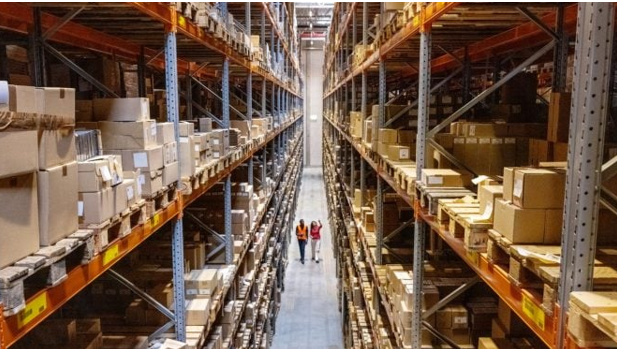
Moving surplus inventory into a dedicated warehouse can help separate stock management from the main working environment. It frees up valuable floor space, supports more organized inventory control, and creates a clearer process for receiving deliveries, preparing orders, and dispatching products.
A suitable facility may also provide practical features such as loading access, shelving options, and enough room to organize different product categories. These facilities become particularly useful when a company handles frequent deliveries or needs to prepare several orders simultaneously.
When a business reaches this stage, exploring options for warehouse space to rent can help it secure the capacity, accessibility, and loading facilities required for continued growth without immediately committing capital to purchasing a property. The right arrangement should reflect the company’s stock levels, delivery schedules, and expected operational needs.
Plan for the Next Stage of Growth
Choosing a storage solution based only on current inventory can create another space problem sooner than expected. Businesses should consider likely sales expansion over the next 12 to 24 months, seasonal increases in stock, potential new product lines, and changes in fulfillment processes.
It is also worth reviewing how easily a storage arrangement can adapt as requirements change. Flexible capacity, convenient access for deliveries, and sufficient room for stock organization can make future expansion easier to manage. Regular inventory reviews can further help businesses identify slow-moving products and use available space more efficiently.
Planning ahead does not mean paying for unnecessary capacity. Instead, it means choosing a practical solution that accommodates realistic growth while leaving enough flexibility to respond to changing demand.
Conclusion
Running out of room can be a positive problem because it often signals that a business is thriving. However, storage pressures should not be left unmanaged, as they can undermine customer satisfaction, employee productivity, and the efficiency of daily operations.
By recognizing the early warning signs, reviewing their actual space requirements, and considering dedicated warehouse facilities, growing businesses can avoid unnecessary disruption. A well-planned storage arrangement gives a company more room to operate today while creating a stronger foundation for future expansion.