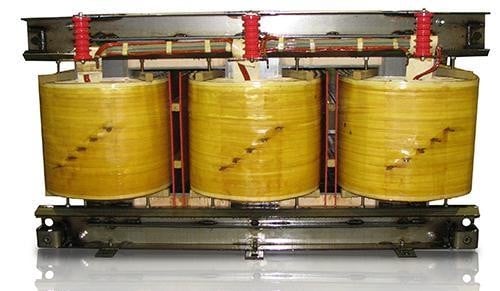
A transformer purchase begins with the equipment it needs to serve. For a mining project, identifying the required electrical characteristics is an essential part of defining that purchase. A product category alone does not describe the full requirement.
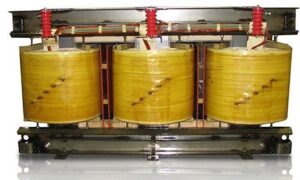
Becker Mining USA, whose website also uses the Becker/SMC name, lists custom-built, low-profile transformers within its traditional dry-type range. The company identifies customer-specified voltage, kVA, and temperature rise as parameters for these units. That offering gives the discussion a concrete starting point: the specifications of the project.
Three Parameters That Shape the Specification
Voltage, capacity, and temperature rise describe different parts of a transformer requirement. Reviewing them together helps a purchasing team frame a more useful inquiry than requesting a transformer by category alone.
Voltage requirements describe the electrical conditions the unit must accommodate. A project inquiry should distinguish the supply side from the equipment side rather than leave the intended arrangement unclear.
The kVA requirement describes the transformer’s apparent-power rating. For buyers, recording that requirement alongside the equipment schedule makes the request more specific. The project’s engineering team can establish the appropriate rating from the application.
Temperature rise belongs in the same discussion. It is a separate design parameter, so a request that gives only voltage and capacity still leaves part of the company’s stated customization scope undefined.
These are project-planning considerations, rather than instructions for choosing a unit without engineering review.
A Product Offering With a Defined Scope
The Becker Mining USA transformer range provides a relevant place to begin reviewing the company’s transformer offering. Within that range, the traditional dry-type section explicitly connects custom construction with customer specifications.
For a procurement team, that distinction is useful. “Custom” becomes a discussion about named requirements that can be recorded and reviewed. It also gives the buyer a way to organize questions before requesting a quotation.
A clear inquiry can identify the intended application, summarize the required electrical parameters, and attach the project documents that explain them. Any additional requirements can then be raised as questions for the supplier rather than assumed from the word “custom.”
Preparing a Clearer Equipment Inquiry
Specification-led purchasing requires coordination between the people defining the electrical requirements and those arranging the purchase. Both groups benefit from working from the same revision of the project information.
For an existing installation, a buyer can separate documented equipment details from requirements still awaiting confirmation. For a new project, the inquiry can identify which specifications are settled and which remain under review. This makes the status of the request easier to understand.
Becker Mining USA’s stated dry-type transformer offering places customer-defined parameters at the center of the product discussion. For mining buyers evaluating that offering, a well-defined specification gives the next conversation a practical focus: what the project requires and which proposed configuration addresses it.