
Free Zone vs Mainland: A Decision Framework for First-Time Founders

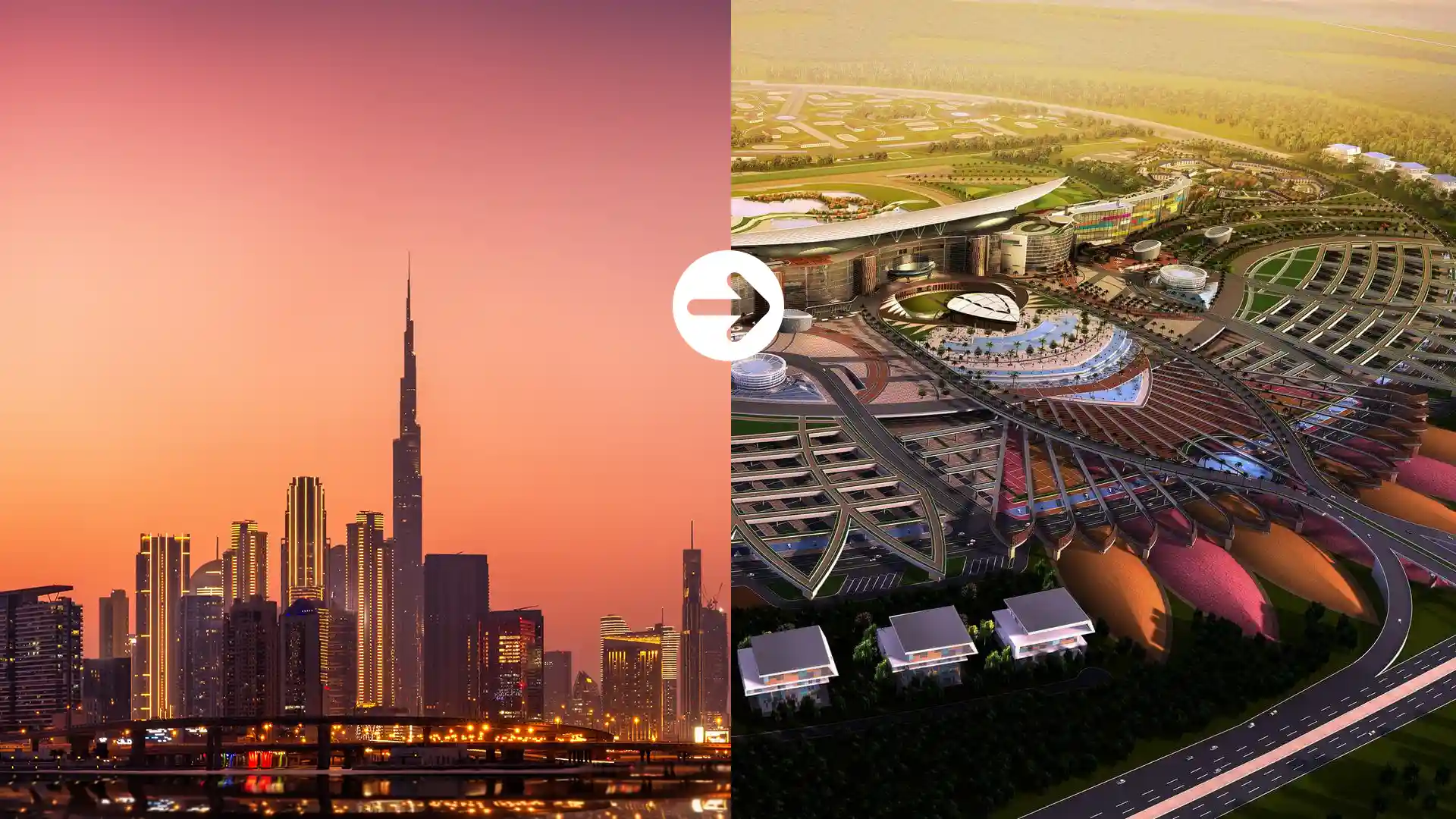
Almost every founder exploring business setup in Dubai for the first time runs into this question early, and the advice they get tends to be inconsistent. Some consultants push free zones because the setup is faster and the commission is easier to earn. Others push the mainland because it sounds like the more “serious” option. Neither answer is right on its own. The correct structure depends entirely on where a business’s customers actually are, and getting that wrong is one of the more expensive mistakes a first-time founder can make.
Table of Contents
- What Are the Basics of Mainland and Free Zone Structures?
- Where Are Your Customers Actually Located?
- How Do Setup and Operational Costs Compare?
- What Is Dual Licensing and How Does It Work?
- How Should a First-Time Founder Decide?
- Conclusion
- Frequently Asked Questions (FAQs)
What Are the Basics of Mainland and Free Zone Structures?
A mainland company is licensed by the Department of Economic Development in the relevant emirate: DED in Dubai, DET in some newer terminology. It can trade anywhere in the UAE, sign contracts with UAE-based clients directly, and bid for government tenders. Since reforms to the Commercial Companies Law, most sectors no longer require a UAE national to hold 51% ownership, which removed the single biggest historical objection to going to the mainland.
A free zone company is licensed by one of the UAE’s more than forty free zone authorities. It offers full foreign ownership, generally lower setup costs, and faster incorporation, often within one to three weeks. The trade-off is market access. A free zone entity cannot, by default, invoice a UAE mainland customer directly. Selling to mainland clients has historically required a local distributor, a mainland branch, or a dual-licence arrangement, and physical goods moving from a free zone into the mainland attract 5% customs duty unless a specific exemption applies.
Where Are Your Customers Actually Located?
Strip away everything else, and one question does most of the work: where do the customers live?
A business selling almost entirely to international clients, a SaaS product, an export trading company, or a consultancy serving clients outside the UAE has little reason to pay for mainland licensing. A free zone structure gets that business qualifying income at a 0% corporate tax rate in most cases, avoids the higher mainland cost base, and gets a founder trading within weeks rather than months.
A business selling directly to UAE-based customers, a retail outlet, a restaurant, a clinic, a contractor bidding on local projects, needs mainland access almost by definition. No free zone workaround fully replaces a mainland trade licence for a business built around local government contracts or walk-in local customers. Founders who try to serve this kind of demand from a free zone entity usually discover the limitation the hard way, after they’ve already turned away a client who wanted a direct UAE invoice.
How Do Setup and Operational Costs Compare?
Free zone company formation is generally more cost-effective, with setup costs starting from AED 5,000 onwards, depending on the free zone, licence type, business activity, and visa requirements. However, the final cost may vary based on the specific package and additional requirements.
Meanwhile, mainland LLC company formation typically starts from AED 15,000 onwards*, with the overall cost depending on the business activity, licensing requirements, office arrangements, and other approvals. Renewal and ongoing costs may also vary depending on the company’s structure and requirements.
That gap reflects genuinely different obligations; mainland companies carry the standard 9% corporate tax rate without the qualifying income exemptions free zones can access, and office requirements tend to be stricter. The cost difference isn’t a marketing artefact. It’s the price of unrestricted market access.
What is Dual Licensing and How Does it Work?
For founders who have a certain customer mix, where the majority of their revenue is international, but they have sporadic UAE customers, a dual licensing approach has become a viable alternative. The resolution of the Executive Council of the Department of Economy No. 11 of 2025 finally gave this option formal approval. According to the resolution, a free zone company remains the parent entity, while the mainland licence is a branch or daughter company. This arrangement allows it to operate in the UAE market while maintaining eligibility for QFZP on the export side.
This is the preferred option for many founders who want to pursue both options. The free zone entity continues to handle the export revenue and Free Zone – Free Zone trade, while the mainland branch takes care of the UAE sales, contracts with local entities, and government tenders. It is a more expensive option than a free zone licensing because, in addition to the annual fee, you pay an additional fee of AED 12000 – 18000 per year, depending on the Emirate, but it is much cheaper than having two independent companies. At the same time, it does not require you to incorporate a new entity if you change your mind and decide to do business from the mainland.
How Should a First-Time Founder Decide?
For a founder trying to make this decision without hiring a lawyer first, three questions cover most of the ground. In the next twelve to eighteen months, where will most of the revenue be derived from – in the UAE or out of the UAE? Will the business model be reliant on government contracts, foot traffic, or physical stores? Is there any probability that the customer base changes significantly enough within two to three years that the dual licensing becomes worthwhile right from the start?
None of these questions has a universally correct answer, which is precisely why “just pick a free zone, it’s cheaper” is bad advice as often as it’s good advice. Freezone company formation in UAE remains the right starting point for a genuinely export-facing or digital business, and the speed and cost advantages are real. But founders who assume the cheaper path is automatically the right one, without checking where their revenue is actually going to come from, tend to be the ones re-incorporating a year later, which costs far more than getting the decision right the first time would have.
Conclusion
Choosing between a UAE free zone and mainland setup comes down to customer location and market access. Free zones suit global, digital, and export operations with 0% tax advantages, while mainland entities enable unrestricted local trade and government contracts. Dual licensing offers a cost-effective hybrid model, helping founders avoid re-incorporation expenses.
Frequently Asked Questions (FAQs)
- What is the main difference between a UAE Free Zone and Mainland business?
Free zones provide 0% tax for eligible revenue and cheaper setup fees, but have limitations on invoicing to locals. Mainland companies allow unrestricted local trade and tendering, but have higher setup fees and a standard corporate tax rate of 9%.
- Can a Free Zone company legally sell services or goods to UAE Mainland clients?
It cannot do that. Free zones need to go through a local agent, open a mainland branch, or acquire dual licenses. Goods shipped to mainland UAE will be subject to 5% customs duty.
- What is a dual license in the UAE and how does it work?
A dual license enables a free zone company to open a mainland branch without creating a second company while keeping 0% export tax qualification and having the ability to invoice locals.
- How much does it cost to set up a Free Zone vs. a Mainland company in Dubai?
Costs to set up a business in a Dubai free zone usually begin around AED 5,000. The exact amount depends on which free zone you pick, your business activity, the licence type, and how many visas you need.
For a mainland LLC, the usual starting cost is closer to AED 15,000. The final figure can change based on the activity you register, the licence details, any office needs, and the approvals required.







Comment