
TechBullion


Grigorii Danileiko
The Secret to Grigorii Danileiko’s Success: Improving the Usability and Reliability of Enterprise Platforms
Read the interview
Louis Régis
Inside Propr: How Louis Régis Is Taking Perp Prop Trading Onchain
Read the interview
David Lucatch
GRND.io: David Lucatch on Staking, Rewards & Where Gold Fits Into Web3
Read the interview
Javier Rodriguez Del Campo
How Applied AI Is Reshaping Supply Chain: Javier Rodriguez Del Campo on Pricing, Procurement, and Decision-Making
Read the interviewLatest posts
 Search didn’t disappear. It moved into the answer5 min · Read
  Industrial Lubricants: How to Choose the Right Product and the Right Manufacturer5 min · Read
 - How FieldAssist’s FAi Suite Brings AI to Every Step of RTM4 min · Read
 Reputation Risk Has a Price Tag. Boards Should Measure It2 min · Read
  iSpring Introduces the BRO900, a High-Capacity Seawater Desalination System for Boats, Yachts, and Marine Applications4 min · Read
  Choosing a Fire Pump Controller for a New Commercial Building9 min · Read
 - How Rising Luxury Prices Are Changing the Way People Shop for Fragrance7 min · Read
 ZenaTech Unveils its Proprietary AI Software Suite Designed to Accelerate Land Survey Delivery for Drone as a Service Commercial, Municipal and Infrastructure Clients6 min · Read







Most read
 Multi-Agent AI and the Need for Enterprise Control Layers: An Interview with Alexey Spas, CEO of Instinctools
- How Telegram Bot Search Ranking Works, And Why Most Bots Never Show Up
- What to Look for Before Hiring an AI Product Development Team
- Best SEO Service Providers in India for Higher Rankings
- Eric Ralls on Building Public Trust in Science Through Responsible Journalism

Editor's choice
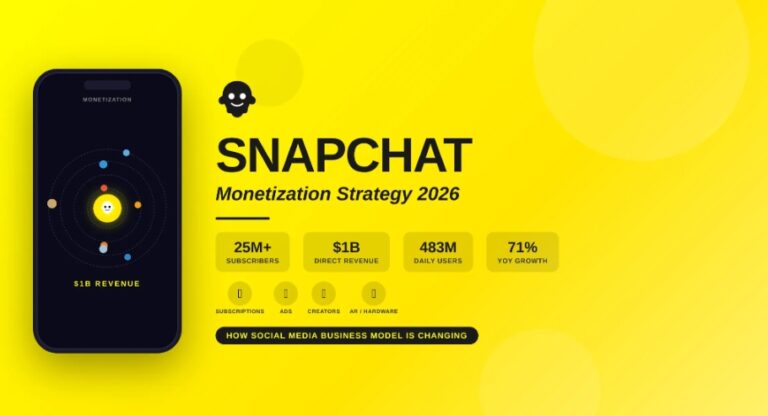
 How Snapchat Monetization Is Changing Social Media in 20268 min · Read
 - 8 Leading Flutter App Development Companies in Europe8 min · Read
- How AI Voice Agents Are Transforming Patient Appointment Booking and Healthcare Access: Interview with Dr. Michael Dent23 min · Read
 My Hunt for a Clean AI Image Tool Without Constant Ad Noise8 min · Read


Fintech News See all
- How to Compare Personal Loan Costs Before You Borrow5 min · Read
- Uzbekistan’s Bets on Digital Banking are Paying Off4 min · Read
 The Proof Problem: What Fintech Brands Need Before AI Search Will Cite Them5 min · Read
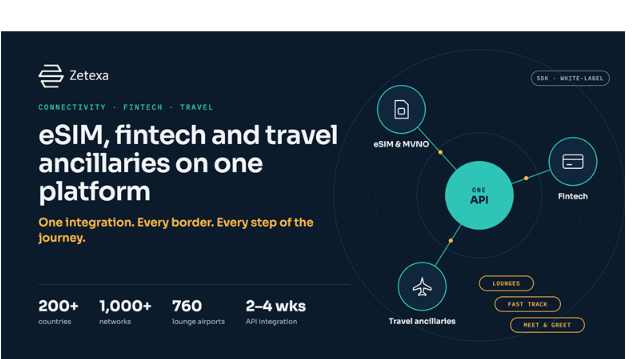
  How Zetexa Is Connecting eSIM, Fintech and Travel Ancillaries Through One B2B Platform6 min · Read


More in Fintech News
 Digital Lending Platforms in America: Use Cases, Benefits, Risks, and Long-Term Opportunities
- Sugar Raymond on Why Zero-Trust Architecture Is Critical to the Future of Cloud-Based Financial Transactions
- Papaya Global and Tasq.ai Partner to Bring Neobanking to the Global Workforce Powering Physical AI
- What to Look for When Choosing Land for a Custom Home in Idaho Falls
- The Wrong Question in Trade Finance: Why “Is the Paperwork Complete?” Isn’t Enough Anymore

Technology See all
- Instagram Shares in 2026: What They Mean and How to Plan a Launch Worth Passing On6 min · Read
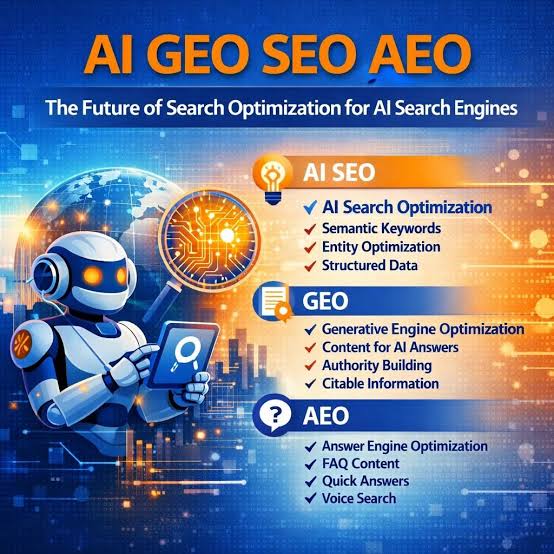
 AEO vs GEO for AI Search: How to Build Content That Earns Citations4 min · Read
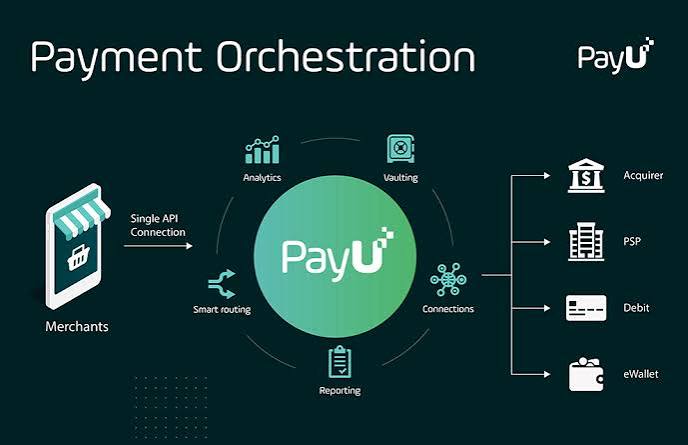
  Payment Orchestration Explained: Why Growing Merchants Are Rethinking Their Payment Stack8 min · Read
 - Melissa Gollan on Why the Future of Technology Still Needs a Human Touch6 min · Read


More in Technology
 Mineralized Drinking Water From the Air: Minairal Passes 700 Installations Across Thailand
- How to Check a Website Page for Common On-Page SEO Errors
- Global TechHouse Expands AI-Powered Solutions Amid Digital Transformation Demand
- EC-Council Releases ADG 2.0 and Offers Free AI Governance Crosswalks to Governments Worldwide
- How to Hack an iPhone or Android Phone in 2026: The Complete Remote Spy Guide

Blockchain See all
 Blockchain Applications Across Major Industries4 min · Read
 - Crypto Overview: Bitcoin Faces $12B Options Expiry on Oct 30 as Pepeto Stakers Target 100x4 min · Read
- How Prop Firms Work in 2026: Futures, Forex and Crypto Perps Compared8 min · Read
- Next Shiba Inu? PEPE’s Latest Pullback Puts Remittix’s $0.28 Entry and November Launch Back in Focus3 min · Read



More in Blockchain
- MIT SwarmWorld Findings Replicated on Four GPUs Using an Open-Weight AI Model
- How to Hire Smart Contract Developers for Your Blockchain Project in 2027
- U.S. Earnings Season Heats Up as MEXC TSLA Stock Futures Weekly Volume Jumps 101%
- Cricfy TV Download on Your Android to Watch Champions Trophy 2027 All Matches Live in HD Quality
- Crypto Recovery Explained: What’s Actually Recoverable, What It Costs, and How to Avoid the Scams
More executive interviews
Founders, CEOs and technology leaders talk about what they build, how they fund it, and where AI, finance and data are taking their industries next.

Nithesh C. Nekkanti
Rethinking CRM Architecture for the Era of Connected Products
Read the interview
Darshan Shah
Beyond Compliance: Building Operating Models for Continuous Regulatory Change
Read the interview
Nithin Mummaneni
From AI Adoption to Measurable ROI: Infinity Loop CEO Nithin Mummaneni on Turning AI Investment into Business Value
Read the interview
Alexey Gubarev
AI Infrastructure, Cloud Computing, Tech Investment and the Future of Data Centres; And Interview with Alexey Gubarev
Read the interview
Yurii Nikolov
Yurii Nikolov: “My principle is to launch a project, get it up and running, and then move on”
Read the interview
Anna Veklich
Anna Veklich on Building a 36 Million-User AI Platform Without Venture Capital, and Why AI’s Next Battle Is Distribution
Read the interview
David Tobias
David Tobias of Nearmap on How AI, Geospatial Intelligence and Property Data Are Transforming Insurance Risk
Read the interview
Haytham Allos
Building Trustworthy AI for Legal Technology: An Interview with Haytham Allos, CTO of Vikk AI
Read the interview