
Waleed Diab: Director And Global Head Of Recorded Music Business Development For YouTube

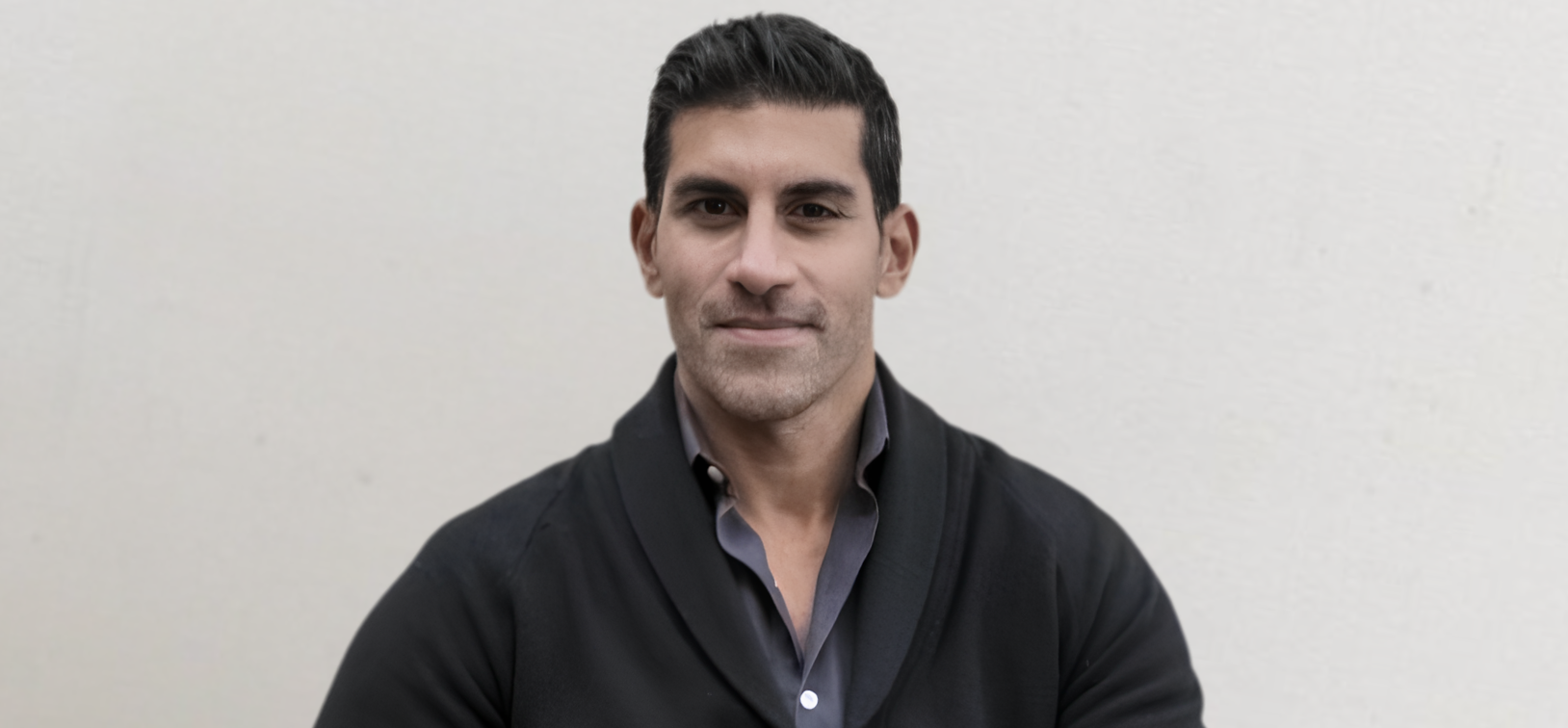
Waleed is director and global head of Recorded Music Business Development for YouTube. In this role, he is responsible for negotiating YouTube’s music global licensing agreements with major record labels and with Vevo and all independent and non-standard recorded music distributors.
In addition to dealmaking, he is responsible for maintaining these partnerships and helping partners optimize their business on the world’s largest video platform. Waleed’s work over the past five years has enabled YouTube to launch the YouTube Music Premium subscription service in over 80 countries globally, adding a premium paid music option to YouTube’s existing ad-supported business. More recently, he oversaw label licensing efforts for YouTube’s recently launched TikTok competitor service, YouTube Shorts.
Before his current role, Waleed spent five years on the legal team at Google, where he was most recently senior counsel for music across Google products and services, including YouTube and Google Play Music. In that role, he handled a wide array of music legal matters, including negotiating, drafting, and advising on legal risk with respect to record labels, music publishers, music collection societies, and artist/talent issues. He also set legal policies and guidelines for a broad range of music and music-related initiatives.
Before joining Google in 2011, Waleed spent six years at Viacom, Inc. in the Business & Legal Affairs department. At Viacom, he served as senior counsel for Music Strategy and Relations at MTV Networks, where he worked on music, television production, and general entertainment transactions relating to MTV Networks’ many powerful brands, including MTV, CMT, VH1, Comedy Central, Spike, and a variety of other Viacom properties.
Waleed is a 2004 graduate of Benjamin N. Cardozo School of Law and 2001 graduate of the University of Maryland, College Park. Waleed serves on the boards of Education Through Music, and Cardozo School of Law’s FAME IP program.
Please tell us your name and tell us about your background in the industry.
Music has always been my number one passion. I fell in love with it when I was young. My parents are originally from Egypt, but I grew up in Maryland. I spent every summer in Alexandria, Egypt with my grandparents and I fell in love with Egyptian pop music from the ‘90s, including amazing artists like Amr Diab and Samira Said. I felt this real kinship with it, and at the same time, I’d return to Maryland, and hip-hop and grunge music were on the radio. I was fascinated by how music seemed to have the same dynamics in totally different parts of the world and how it brought people together.
I was obsessed with discovering new music and artists, both Arabic and English music. I didn’t play any instruments, so I didn’t think I could make it as a musician, so I went on a bunch of different paths. I studied business and then went into finance and marketing before ultimately going to law school. It wasn’t until I got to law school that I realized I could actually work as a lawyer in music.
I attended Cardozo School of Law in New York. Right after school, I worked at MTV Networks as a junior lawyer. I spent five years there working on a variety of music issues, working with record labels and music publishers.
I left MTV Networks and joined Google’s music legal team in 2011, where I was responsible for music licensing for Google, Google Play, and then YouTube. After five years on Google’s legal team, I joined YouTube’s business development team, and that’s where I’ve been for about the last 10 years. In my current role, I’m responsible for negotiating agreements with record labels and helping them make money on YouTube.
In your time on the board, is there a specific story or a moment at a partner school that really drove home why this mission matters to you?
Every winter, we’ve been doing a concert at YouTube where we bring in students to come and sing. It is just such a heartwarming, special experience because we’ve had these amazing kids come from the ETM program, and they’re just ecstatic to take a school bus and come down to YouTube’s offices and perform. You see in their eyes and their entire demeanor how excited they are to show off what they’ve been learning and their desire to be part of something. We do these meet and greets, and we talk to the kids to get a bit of insight into their lives and where they are in their development. It’s just so moving to see them so excited about something and so motivated to participate in it. So that really stands out as some of the most memorable moments, seeing the direct impact on these students and how they’re growing up and really discovering a passion that’s taking them out of the more mundane parts of school or just being a young kid in the city.
You have a very busy career. Why choose Education Through Music (ETM) as the place to spend your time and energy?
First of all, the mission is so amazing, and the first time I heard about the mission, I knew that’s where I needed to be because it combines education with music, which are two things I care deeply about. Other than that, the organization in terms of where it is, the size of it, and its mission being so directly focused on New York are important to me. I just feel like I have much more impact. I’ve been affiliated with other organizations in the past where it felt more like I was part of a big machine and that my direct impact wasn’t felt as much. ETM has a very specific mandate and mission that’s focused on education and empowering these students to change their lives. I really appreciate that and feeling like my involvement has a direct impact on what’s happening.
How does learning music actually help a student become a business leader later in life?
Music absolutely helps kids think about things in a different way, and I think that’s probably one of the most critical skills you can learn as a student. American Scientist covered a study which found that music offers an unlimited capacity for improvements because musicians devote their lives to disciplined, repeated practice. Researchers from USC also found that music benefits youth wellbeing.
I think being part of music education programs helps rewire their brain to realize they can think in different ways and approach problems from novel perspectives. We used to have all these tricks, like if you highlight what you’re reading in different colors, your brain remembers it in a different way. If you speak to people or sing to them, their brain registers it in a different way.
In the past year, ETM students have had the opportunity to perform at major companies and organizations. From your perspective, how do these high-stakes performances in corporate settings change a student’s perception of what is possible for their own future in the professional world?
Students come into the YouTube office for winter concerts, and the videos they watch on the screen become real. More importantly, they see themselves there, physically, in the building where YouTube business happens. Those have been some of the most moving experiences because the kids will connect with the music team at YouTube and ask them how they got their job here. The first question that inevitably comes at all these sessions with the kids is how did you get your job at YouTube and how can I get one? Just breaking down that barrier where YouTube is no longer this thing that exists out in the ether, but it’s a very real, tangible thing.
ETM doesn’t just provide a teacher; it integrates music into the school’s core curriculum. From a business development perspective, how does this ‘deep integration’ model create more long-term value for a school district compared to a traditional one-off donation or guest-artist program?
First and foremost, it’s an entire curriculum. It isn’t a one-and-done type situation. This involves going in and bringing students along for an entire journey to help them grow. True change can’t come with a single action, like one talk or one donation. You won’t make an impact that way. It’s a marathon, not a sprint. This is something you have to keep working at, and you have to be committed to the cause and dedicated to that over time.
The way ETM approaches this is so smart because they come in, train teachers with their curriculum, certify them, and then work alongside them to ensure they’re actually keeping up with the expectations of ETM and providing that service to students over time. We focus very much on things like teacher turnover. We look at upstreaming of teachers, where teachers are coming through the ETM program and then securing more impressive jobs, like at the school district, as validation that we’re doing a good job of bringing people in. Ultimately though, we’re looking for that longevity of the teachers because that directly benefits the students.
You’ve spent your career in the presence of global superstars, but ETM often focuses on the first time a child picks up an instrument. Having visited dozens of partner schools across NYC, can you describe a specific ‘standing ovation’ moment, either in a classroom or at a gala, that reminded you why this work is as high-stakes as any multi-billion-dollar licensing deal?
I’ve seen so many instances of this. I would definitely say that at our galas in the past, we’ve had standing ovations for the kids performing. And just looking at the expressions on their faces and how they tear up and are so excited, I could practically feel their chests bursting with pride and enjoyment. To me, that is worth more than anything else. And honestly, I do a lot of work that is sometimes very challenging, contentious, and difficult, like corporate negotiating, and all of that fades away when you see the impact you have on these students because they’re able to participate in this program. It just puts everything into perspective. That’s the true impact.
You’ve mentioned that music education built your foundations in teamwork and creativity. If you were hiring a new member for your global team at YouTube today, what specific ‘musical’ traits (e.g., listening, improvisation, discipline) would you be looking for in a top-tier business candidate?
Above all, it would be discipline. You’ve pursued something diligently, obsessively, cared about the craft and the output and how you got there. Again, that’s something you learn in music education, just by the persistence that’s needed to learn any of these skills. And I think those are the types of things that, if you can teach students when they’re young, they’ll parlay them into what they do in the future. For me, that’s discipline. I find that persistence and dedication to something immediately inspiring, and that’s the type of person I want on my team.







Comment