
Cost-Effective Ways to Achieve Energy Independence in 2026

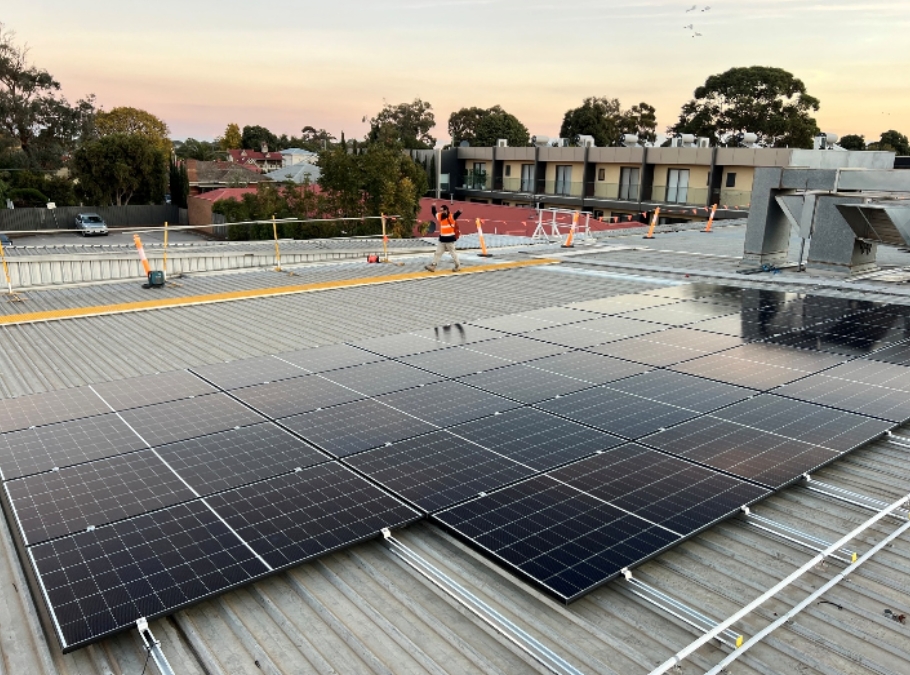
Imagine waking up to a blackout but your lights stay on, your fridge hums quietly, and your coffee machine still brews. No more surprise electricity bills spiking with every rate hike. In 2026, energy independence isn’t a luxury for the wealthy — it’s a smart, achievable reality for Australian homeowners who combine solar generation with modern storage solutions.
Rising grid prices, falling battery costs, and improving technology have created a perfect window. Households across Victoria and beyond are slashing bills by 50-85% while gaining blackout protection and long-term energy security. Here’s how you can do it cost-effectively this year.
1. Start with a Strong Solar Foundation (and Right-Size It)
Energy independence begins with efficient solar generation. Oversizing or undersizing your system wastes money, so a professional energy assessment is essential.
In 2026, a typical 6.6kW to 13kW solar system paired with storage offers the best balance for most Victorian homes. Focus on high-efficiency panels and quality inverters that maximise output even on cloudy days. Modern hybrid inverters are particularly smart — they seamlessly manage solar, battery, and grid power.
Pro tip: Choose east-west panel orientations if you use more power in mornings or evenings. This increases self-consumption before you even add storage.
2. Add Battery Storage — The Game Changer for True Independence
Solar alone only powers your home during daylight. Batteries capture excess daytime energy for use at night, during peak pricing, or outages.
In 2026, battery prices have continued to drop, making them far more accessible. Average installed costs for a quality 10kWh system now sit in an attractive range (often $8,000–$13,000 after incentives, depending on model and installation). Popular options include modular systems from Sigenergy, Sungrow, Tesla Powerwall, and BYD that allow you to start small and expand later.
Key cost-saving features to look for:
- High round-trip efficiency (90%+)
- Smart app control for time-of-use optimisation
- Full-home or essential-load backup capability
- Long warranties (10–15 years typical)
Batteries shine in Victoria where feed-in tariffs are modest. Instead of exporting cheap solar for a few cents, store it and avoid buying expensive peak-rate power.
3. Leverage Available Incentives and Rebates
Government support remains one of the most powerful ways to lower upfront costs in 2026. Federal battery incentives, STC discounts for solar, and state programs can significantly reduce payback periods.
Work with an accredited installer who handles all paperwork. Many reputable providers also offer flexible financing or payment plans, sometimes with zero upfront costs for qualified customers.
4. Optimise with Smart Energy Management
Modern systems go beyond simple storage. Look for:
- Time-of-use optimisation that charges during cheap periods and discharges during expensive ones
- Virtual Power Plant (VPP) participation for extra earnings
- Integration with EV chargers and heat pumps for whole-home efficiency
These intelligent features can boost savings by an extra 20-30% compared to basic setups.
5. Choose the Right Partner for Installation and Support
Success depends heavily on proper design and professional installation. Poorly designed systems underperform and cost more long-term.
Winki Energy stands out as a trusted local expert delivering high-quality solar and battery installations across Greater Geelong, Melbourne, and regional Victoria. Their team focuses on practical, well-built systems backed by strong warranties and ongoing support.
Look for installers who:
- Offer free site assessments
- Use CEC-accredited professionals
- Provide performance guarantees
- Include monitoring and maintenance plans
Real-World Savings and Payback
Many households achieve payback in 5–8 years, after which the energy is essentially free. With average electricity bills around $2,500+ annually, the long-term numbers are compelling:
- Reduced or eliminated grid purchases
- Protection against future price rises
- Increased property value
- Lower carbon footprint
A well-designed 10kWh battery system can deliver thousands in savings over its lifetime while providing priceless peace of mind during storms or grid issues.
Potential Challenges and How to Overcome Them
Upfront cost remains the biggest barrier for some. Solution: Start with a modular battery you can expand, or combine with solar on an existing system for lower total investment.
Maintenance is minimal with quality lithium batteries, but choose reputable brands with local support.
The 2026 Advantage
Battery technology and pricing trends favour action now. Costs per kWh continue trending downward while capabilities rise. Homes with solar plus storage are better positioned for future changes like dynamic tariffs, export charges, or increased grid instability.
Taking the First Step
Energy independence is no longer all-or-nothing. Many start by adding storage to existing solar arrays — a highly cost-effective upgrade.
Begin with a professional energy audit to understand your usage patterns, roof potential, and ideal system size. This personalised approach avoids overspending and maximises return on investment.
In 2026, achieving meaningful energy independence is more practical and affordable than ever. Lower bills, blackout resilience, and control over your energy future are within reach for families and homeowners ready to make the switch.
Ready to explore your options? A trusted local specialist can turn these possibilities into a tailored plan that fits your budget and goals.







Comment