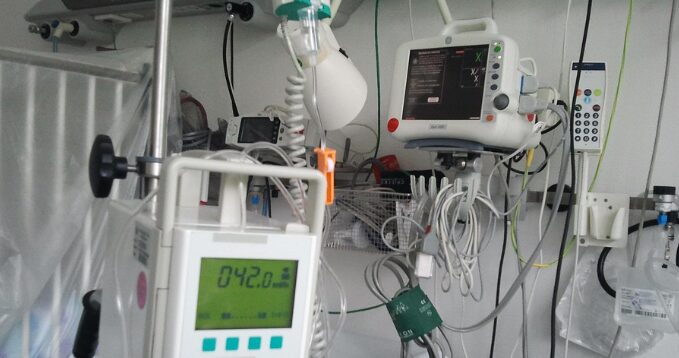
Durable medical equipment (DME) regulation can be tricky, so you must understand it. The Healthcare Common Procedure Coding System (HCPCS) codes define the rules, which are specific alphanumeric codes used to catalogue medical products. This coding is critical for proper billing and maintaining compliance with healthcare policies. Incorrect coding can expose providers to the risk of denial of claims and regulatory matters.
Let’s understand the importance of HCPCS codes in DME regulations, from reimbursement to standardization in caring for patients.
Understanding HCPCS Codes
HCPCS is essential in healthcare billing. It was created in 1978 to promote consistency in medical service claims. There are two levels:
Level I: Consists of CPT codes. A CPT code is a five-digit numeric code used to describe medical procedures, services, and treatments for billing and documentation purposes.
For Example, 99213 indicates an Office or other outpatient visit to evaluate and manage an established patient.
Level II: Include non-physician services, such as ambulance, medical supplies, and medical equipment. They are essential in classifying items and services that may fall outside of routine physician-based procedures.
For Example, the HCPCS code for a semi-electric hospital bed is E0260. This code is used for billing and reimbursement and covers a bed with adjustable head and foot positioning controlled by an electric motor.
DME and Its Importance
Durable medical equipment is medical equipment intended for repeated use. It assists patients daily, enabling them to be more independent. Some would include wheelchairs, walkers, oxygen tanks, and hospital beds.
This type of equipment is crucial in the lives of people with chronic illnesses or disabilities and ensures a better quality of life and decreased hospitalizations.
Billing DME correctly is an essential point for healthcare providers and facilities. When there is a misclassification or inappropriate coding, there is a push-back that adversely impacts reimbursement and patients’ ability to access necessary equipment.
Therefore, knowing the importance of HCPCS codes in DME regulations is vital to smooth functioning.
HCPCS Codes of DMEs in Regulations
HCPCS codes are the foundation of DME. They help define equipment categories, reimbursement amounts, and coverage. Insurance companies depend on these codes to determine whether care is necessary and qualifies for payment, making precise coding essential to receiving payment for care provided.
DME is controlled by a combination of agencies, such as Medicare and private insurance companies. Each has its rules about what equipment is covered and under which circumstances.
Medicare, for Example, requires a physician’s prescription and supporting documents demonstrating essential medical necessity.
Challenges in Coding DME
Although HCPCS codes have a structure, coders still struggle to code DME. The enormous number of codes combined with the regular updates is challenging for providers and billing specialists.
Part of this means keeping up-to-date on regulation changes, which requires continuous education and training.
If the codes are misread, there can be a difference in billing and, consequently, payment delays. However, providers must pay attention to record-keeping to avoid these traps. Healthcare organizations can avoid the headache of billing becoming an issue by investing in all-inclusive training and using software that provides industry-specific billing.
Effects from Healthcare Providers
HCPCS codes are more than a billing requirement for healthcare providers. Proper coding allows appropriate reimbursement, which is vital to delivering high-quality care. Improving claims processing so that providers can best allocate resources enables better outcomes for patients.
In addition, proper coding builds trust among patients, providers, and insurers. The care team becomes trusted partners, and patients are assured that their needs will be met without financially breaking the bank. Insurance companies also gain, causing fewer errors and making claims handling easier, making the healthcare system function more smoothly.
Future Trends in DME Coding
The coding landscape again evolves with changing times in healthcare. As policy changes and technology improvements create new challenges and opportunities, so do the DME coding changes. With the expansion of telemedicine and growth in home health services, new types of durable medical equipment may also need code assignments.
Furthermore, the growing emphasis on patient-centric care enhances the need for a customized equipment solution. This change could lead to more specific codes, enabling more tailored DME.
Conclusion
The HCPCS codes are more essential than ever for durable medical equipment regulations. They are used for billing and impact reimbursement, patient access, and healthcare efficiency. Knowing their role and staying updated about the changes in DME regulations can help healthcare providers confidently deal with DME complexities.