
Tonight at Google I/O, Google teases a surprise AI upgrade for Search
Google kicks off its I/O keynote this evening, May 19, with Sundar Pichai having hinted in April at new AI features for Google Search and a heavier focus on AI than Android. Updates to Gemini are on watch too, after Google Cloud chief Thomas Kurian flagged an imminent new version, plus connected-glasses news from partners like Xreal and Warby Parker.

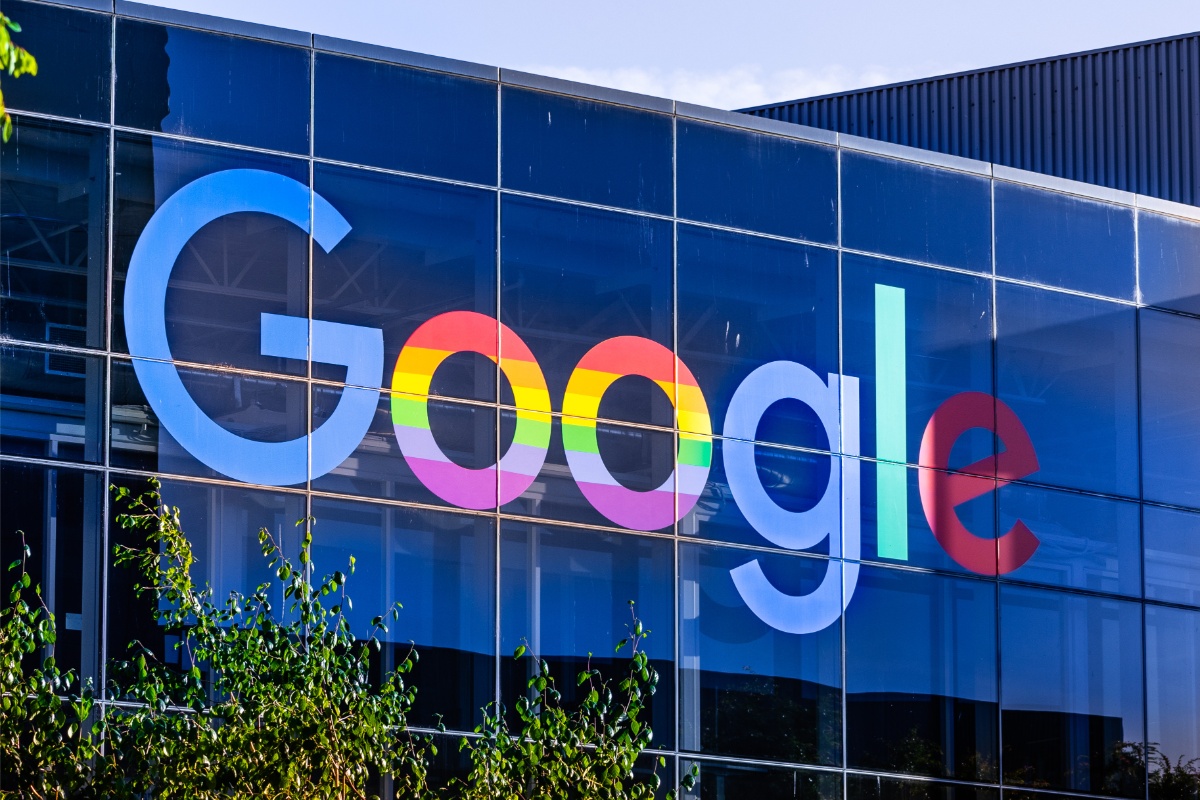
Google is poised to turn its marquee product into a moving target tonight, with Sundar Pichai hinting that Search is about to get a fresh jolt of Gemini. The I/O keynote shifts the spotlight away from Android and toward AI horsepower, with a new Gemini build on deck and benchmarks in its sights. Cloud chief Thomas Kurian has been fanning the flames, signaling an imminent upgrade that could reshape how Google squares off with Claude and GPT. And in a stylish sideshow, connected glasses are expected to crash the party via Android XR, with Xreal, Warby Parker, Gentle Monster, and Gucci in the mix.
Google I/O returns with a focus on AI and search
Google’s annual developer conference lands with a familiar rhythm and a sharper edge. The keynote at Google I/O on May 19, 2026 will pivot squarely to artificial intelligence after a brisk prelude focused on Android on May 12. Expect the spotlight on Search, productivity, and developer tools. The timing feels deliberate. Google is trying to reset expectations in a market racing to fold AI into everyday experiences.
AI supercharges Google Search
Sundar Pichai has been hinting since April that big changes are coming to Google Search. He flagged new AI features during Alphabet’s earnings call, framing Search as both a test bed and core business driver. The company is likely to push deeper integration of its flagship model, Gemini, with real-time synthesis, more context-aware answers, and tighter links to shopping, maps, and local results. The big question is monetization. Advertisers will want clarity on how AI summaries, citations, and links coexist with sponsored placements.
Gemini advances in the AI arms race
The rumor mill points to a notable Gemini upgrade. Thomas Kurian, who leads Google Cloud, recently said an update was coming “very soon.” That aligns with Google’s pattern of iterating model families across Pro, Flash, and Ultra tiers. Expect performance gains in reasoning, longer context windows, and tooling that helps developers build agents with guardrails suitable for enterprise use. Google has leaned on evals and customer pilots to demonstrate progress against rival systems from OpenAI and Anthropic. If the new release cuts latency and cost while boosting reliability, it could shift how teams deploy AI across support, documentation, and code workflows.
Thomas Kurian (Google Cloud CEO): "We have a new version of Gemini coming very, very soon, and from all the benchmarks we have seen, we have been very confident on that as well"
38:16 – 38:25 https://t.co/kR5jk90ZQj
— AiBattle (@AiBattle_) April 24, 2026
Connected glasses step into the spotlight
Google’s wearables story may also get a fresh chapter. The company has been nurturing an Android-based XR stack for headworn devices and has explored partnerships with U.S. brands like Warby Parker, Xreal, Gentle Monster, and Gucci. What to watch: clearer reference designs, app patterns that blend notifications with hands-free capture, and a path for developers to reuse Android skills. If Google can show credible use cases for productivity and lightweight media, connected eyewear could edge beyond enthusiasts and pilots.
A critical juncture for Google’s AI strategy
Google’s narrative is consolidation. Pull Gemini through Search, Workspace, Android, and Cloud, then prove that the stack is safer, faster, and more useful for both consumers and enterprises. Competition from OpenAI, Microsoft, and Anthropic is intensifying, and regulators are watching how AI reshapes search economics. Today’s keynote should offer a clearer map: how Google plans to balance quality, attribution, and ads while turning Gemini into everyday utility. Indeed, that balance will define the company’s next chapter.





Comment