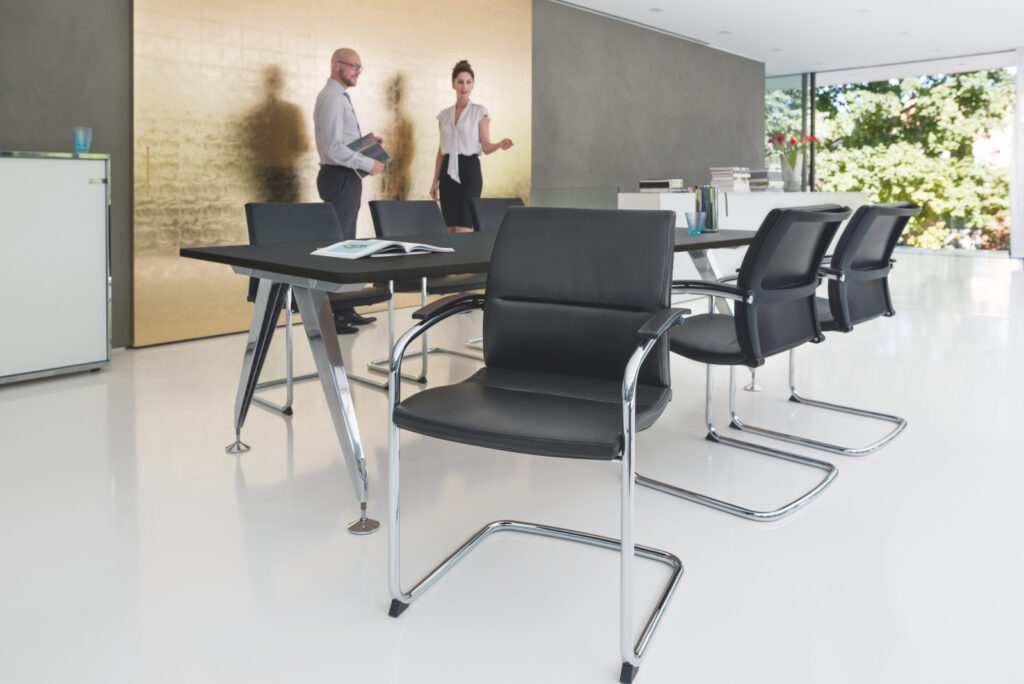
When it comes to kitting out an office, the boardroom is a space where both form and function must align seamlessly. It’s a place of decision-making, collaboration, and often, a room that reflects the ethos and brand of a company. Among the many considerations for this vital space are the boardroom chairs that will surround the table where important conversations happen. Choosing the correct seating can have a significant impact on both the comfort and productivity of those very meetings.
Comfort Meets Professionalism
First impressions matter, and boardroom chairs are a part of that equation. They set a tone for visitors and employees alike. The right chairs not only add to the professional look of the office but also ensure that attendees remain comfortable during prolonged sittings. Comfort isn’t just about luxury; it’s a necessity for keeping everyone focused and engaged.
Considerations for Selecting Boardroom Chairs
Ergonomics and Adjustability
Not all meetings are quick; some might run for several hours. Ergonomic features such as lumbar support, adjustable armrests and seat depth can all contribute to a more comfortable experience. When you consider these features in your meeting room chairs, you’re investing in the wellbeing of everyone that uses them.
Design That Reflects Your Brand
The aesthetic of your chairs should complement the design and ethos of your company. Sleek, minimalist designs may suit a cutting-edge tech company, while a law firm might opt for something more classic and imposing. The key is to ensure that the chair does not only serve its purpose but also enhances the room’s visual appeal.
Space and Size
Boardrooms vary in size and often, so should the chairs that occupy them. Space-saving designs might be required for smaller rooms to avoid a claustrophobic feel. Conversely, a larger room might call for more substantial chairs to fill the space adequately without looking sparse.
Durability for Longevity
Boardroom chairs are an investment; hence, opting for models with durable materials and construction is wise. Quality leather or fabric that’s resistant to wear and stains can maintain their look for years, contributing to a smarter financial decision in the long run.
The Right Supplier
To find a range that offers all of these qualities and more, look for a reputable supplier such as Sit Back & Relax. They offer a variety of boardroom chairs that tick all the boxes, ensuring style, durability, and comfort. Plus, their expertise means you’re getting advice from those who understand both form and function in corporate furniture.
Making the Decision
When selecting the right chairs for your boardroom, factor in the typical length and type of meetings held. Are they often extended, requiring maximum comfort? Will the chairs be used for various events, or just formal board meetings? These are practical considerations that can guide your choices.
Conclusion
In the end, the right boardroom chairs should embody the balance between comfort, style, and practicality. Paying attention to ergonomics can make long meetings more bearable, while the right design speaks volumes about your company culture and brand. Remember to consider the size of the room and the durability of the chairs you choose, ensuring that they remain a sophisticated and comfortable part of your office environment for years to come.
Whether you’re refurbishing an existing space or creating a new boardroom from scratch, the chairs you select will play an essential role. They’re not just a place to sit; they’re a central part of the theatre of business where decisions are made, deals are struck, and ideas are born.
By choosing wisely and opting for a reputable supplier like Sit Back & Relax, you can rest assured that your boardroom chairs will be as functional as they are impressive, keeping everyone from staff to clients comfortable, focused, and ready for business. Explore their range of high-quality meeting room chairs to find the perfect fit for your office, and make every meeting a seamless blend of comfort and professionalism.
Investing in the right boardroom chairs is about making a statement as much as it is about providing a seat at the table. It’s about demonstrating value, respect, and attention to detail. After all, the boardroom is where the heartbeat of a business often resonates strongest. Make it count with seating that rises to the occasion.