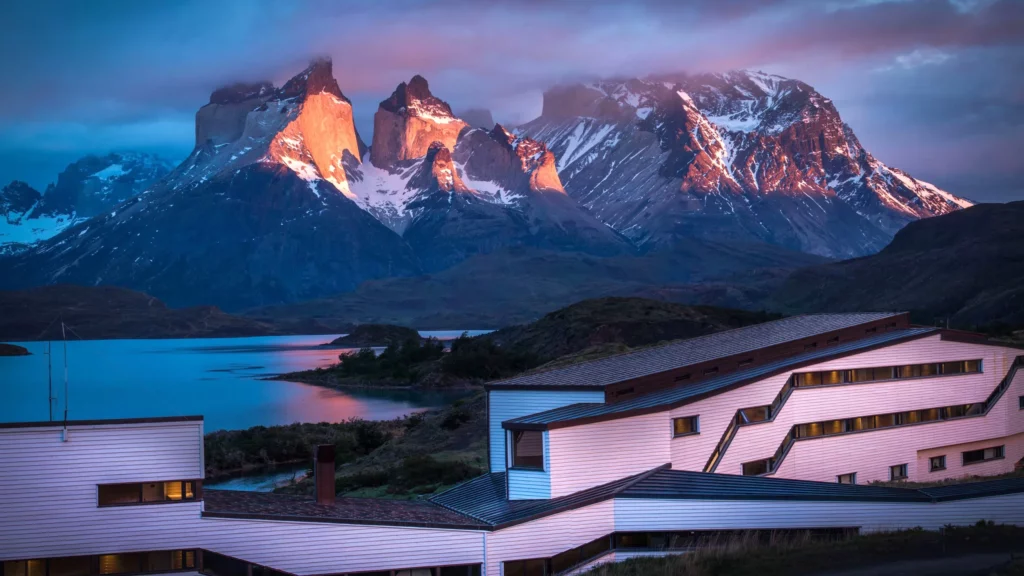
Patagonia, a remote and untouched wilderness spanning the southern regions of Chile and Argentina, beckons the adventurous traveler to embark on a luxury tour that promises an extraordinary journey. From the untamed landscapes of Torres del Paine to the pristine fjords and glaciers, this South American gem offers an opulent exploration like no other.
Elevated Comfort and Style
The essence of a Patagonia luxury tour lies in the elevated comfort and style it provides. While this rugged and untamed region may seem a world apart, your nightly accommodations offer a haven of sophistication. From secluded lodges nestled amidst nature’s splendor to boutique hotels in charming towns, you can savor every moment of your journey in utmost luxury.
Culinary Delights Amidst the Wilderness
Patagonia’s culinary offerings are as rich and diverse as its landscapes. A luxury tour allows you to savor dishes made from the freshest local ingredients, often sourced from the surrounding areas. This fine dining experience amidst the wild and rugged terrain is a testament to the creative fusion of flavors.
Natural Wonders at Your Doorstep
Patagonia is a land of natural wonders, from the windswept plains to the towering peaks and icy fjords. A luxury tour offers the chance to explore these wonders, led by knowledgeable guides who unveil the geological and ecological marvels of this region. Witness the grandeur of glaciers, navigate pristine rivers, and hike through ancient forests.
Cultural Encounters and Local Insight
Despite its vast wilderness, Patagonia is home to unique cultures and communities. On a luxury tour, you’ll have the opportunity to meet and engage with the locals, learning about their traditions and way of life. Discover the stories and myths that have been passed down through generations, gaining a deep appreciation for the people who call this land home.
Adventure in Comfort and Safety
While adventure is a hallmark of Patagonia, it’s important to remember that the terrain can be challenging. Luxury tours prioritize your safety and comfort, ensuring that even the most daring activities, like trekking and wildlife encounters, are conducted with expert guidance and the best equipment available.
Relaxation and Rejuvenation
Amidst the excitement of exploration, Patagonia luxury tours offer moments of relaxation and rejuvenation. Many tours provide access to spa facilities, where you can indulge in therapeutic treatments inspired by the region’s nature and culture. These interludes of pampering add balance to the adventure.
Expert Guidance and Interpretation
Your journey through Patagonia is enriched by expert guides who are passionate about the region. Their knowledge of the local ecosystems, history, and culture enhances your experience. These guides offer insights that transform your adventure into a journey of learning and discovery.
A Lifetime of Cherished Memories
The Patagonia luxury tours are not just a vacation; it’s an investment in a treasure trove of memories that will endure for years to come. From the moment you set foot in this untamed wilderness, you’ll be immersed in a world of luxury, culture, and natural beauty. Your journey through Patagonia will leave you with a collection of memories that are as timeless and enduring as the landscape itself.
In conclusion, a luxury tour of Patagonia is an invitation to an opulent, immersive, and extraordinary experience. It offers not just a journey through wild and breathtaking landscapes, but also an opportunity to connect with the heart and soul of this remarkable region. By choosing a luxury tour, you open the door to a world of wonder, creating memories that will be cherished long after your expedition concludes.