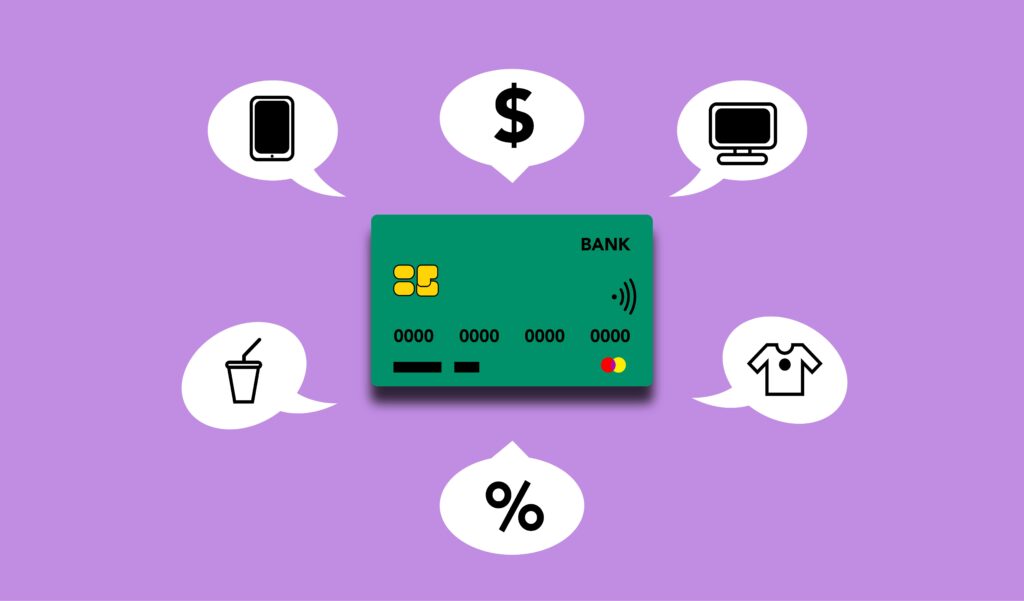
In today’s fast-paced digital economy, businesses and consumers alike are seeking secure, reliable, and cost-effective ways to move money. Payment by ACH has emerged as one of the most trusted electronic fund transfer methods in the United States. Whether you are paying bills, managing payroll, or collecting recurring subscriptions, this banking network offers a streamlined solution that reduces manual processes and transaction costs.
What Is ACH and How Does It Work?
ACH stands for Automated Clearing House, a network that facilitates electronic transfers between bank accounts. Instead of using paper checks, wire transfers, or credit cards, funds are moved electronically from one financial institution to another. These transactions are processed in batches, making them efficient and affordable compared to other payment methods.
There are two primary types of ACH transactions:
-
ACH Credits: Funds are pushed from the payer’s account to the recipient’s account. Examples include direct deposit of salaries or vendor payments.
-
ACH Debits: Funds are pulled from a customer’s account with proper authorization, commonly used for recurring bills or subscription services.
Because transactions are processed electronically through secure banking systems, the risk of lost checks or manual errors is significantly reduced.
Key Benefits for Businesses
Businesses of all sizes benefit from adopting ACH transfers as part of their payment strategy. Here’s why:
1. Lower Transaction Costs
Compared to credit card processing fees or wire transfer charges, ACH transactions typically cost far less. This makes them especially attractive for companies handling high-volume or recurring payments.
2. Improved Cash Flow Management
Scheduled transfers allow businesses to predict incoming and outgoing funds more accurately. Recurring billing can be automated, minimizing late payments and improving financial planning.
3. Enhanced Security
Electronic transfers reduce exposure to check fraud and data breaches associated with paper handling. Banks use encryption and authentication protocols to protect sensitive account information.
4. Operational Efficiency
Manual processing of paper checks requires time and administrative resources. By automating transactions, companies reduce paperwork, minimize errors, and free up staff for higher-value tasks.
Advantages for Consumers
Consumers also experience significant convenience when using ACH-based transfers:
-
Convenience: Automatic bill payments eliminate the need to remember due dates.
-
Reliability: Funds are transferred directly between bank accounts without mailing delays.
-
Cost Savings: Many banks offer ACH services at little to no cost.
-
Environmental Impact: Reduced paper usage supports sustainable practices.
Direct deposit for payroll is one of the most widely recognized applications. Employees receive funds directly into their accounts, often faster than traditional check deposits.
Security and Compliance Considerations
Security remains a top priority in electronic transactions. Financial institutions follow strict regulations and compliance standards to ensure safe processing. Businesses must obtain proper authorization before initiating debits and maintain accurate records of customer consent.
Additionally, companies should implement internal safeguards such as:
-
Multi-factor authentication
-
Encrypted data storage
-
Routine account monitoring
-
Fraud detection systems
When properly managed, ACH transfers are considered highly secure and dependable.
ACH vs. Wire Transfers and Credit Cards
While wire transfers offer faster same-day processing, they usually come with higher fees. Credit card payments provide consumer protection benefits but often include significant merchant processing costs.
ACH transactions, on the other hand, strike a balance between affordability and reliability. Although processing times can range from one to three business days, many financial institutions now offer same-day ACH options for time-sensitive needs.
Industries That Rely on ACH Transfers
Several industries heavily depend on ACH capabilities, including:
-
Payroll and human resources
-
Utility companies
-
Subscription-based services
-
Healthcare billing
-
Property management
-
Government agencies for tax refunds and benefit payments
The flexibility of ACH processing makes it suitable for both one-time and recurring transactions.
Is It the Right Choice for Your Business?
Choosing the right payment method depends on your operational needs, transaction volume, and customer preferences. For organizations seeking predictable cash flow, reduced processing fees, and automation, ACH is often an ideal solution.
As digital payments continue to evolve, Payment by ACH remains a cornerstone of secure and cost-effective financial transactions. By understanding its benefits, security features, and practical applications, businesses and consumers can confidently leverage this system to simplify money movement and support long-term financial efficiency.