Planning a river cruise in the U.S. can feel overwhelming if you don’t know where to start. River cruises offer a unique way to explore America’s beauty up close. This guide will help you choose the right route, season, and more for your trip.
Keep reading to make planning easier and stress-free!
What Is a River Cruise?
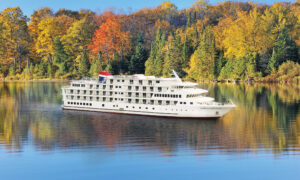
A river cruise is a trip on a smaller ship that sails rivers instead of oceans. In the U.S., popular routes include rivers like the Mississippi, Ohio, and Hudson.
Ships for these cruises are smaller than ocean liners. They can travel through narrow waterways and stop near cities or small towns. These trips let passengers explore places in comfort while staying close to land.
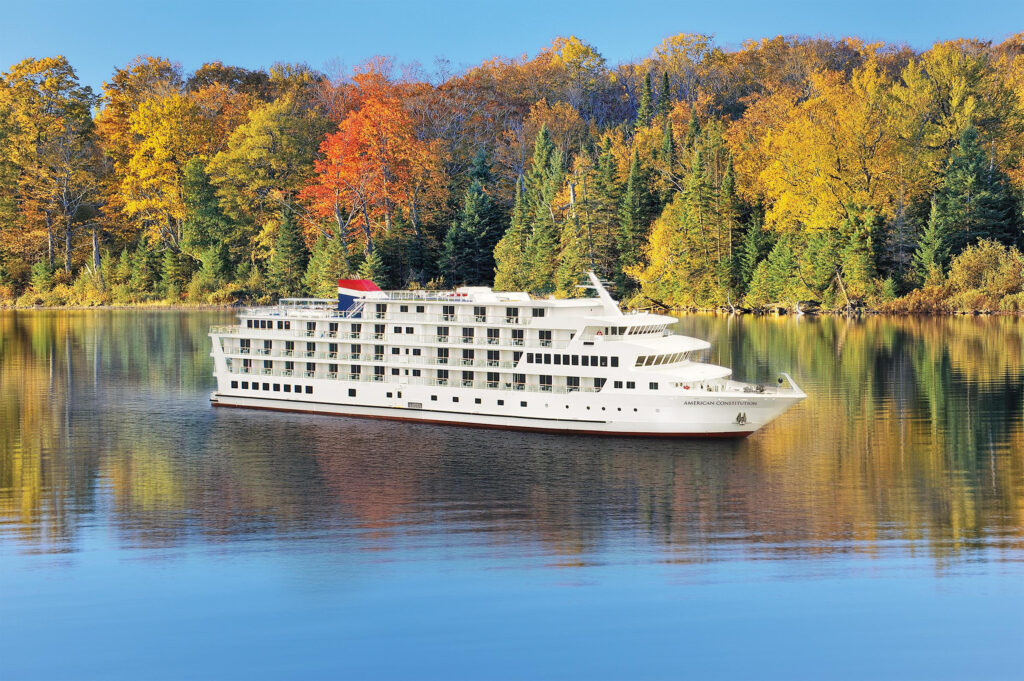
American Cruise Lines offers itineraries built around experiences such as American history, fall foliage, and national parks.
Key Differences Between U. S. River Cruises and Ocean Cruises
River cruises use smaller boats than ocean cruises. They sail along narrow rivers and stop near city centers.
Vessel size and design
River cruises in the U.S. use smaller vessels designed for unique waterways. These ships differ greatly from ocean liners. The table below outlines the specific features of their size and design.
| Feature | Description |
| Size | Smaller than ocean liners, usually holding 100-200 passengers. |
| Draft | Shallow draft allows navigation in narrow rivers and low-depth waters. |
| Height | Lower height helps them pass under bridges with ease. |
| Cabins | Cabins tend to be smaller but often include river views. |
| Decks | Fewer decks compared to ocean ships, making them easy to explore. |
| Design | Built for comfort, with amenities like observation decks and panoramic lounges. |
| Accessibility | Designed to dock at smaller ports, often closer to cities and landmarks. |
Navigation on shallow waterways
Cruising on shallow waterways needs smaller and specially designed ships. These vessels have flat bottoms to avoid hitting the riverbed. Their lightweight build helps them handle low water levels with ease.
Pilots use advanced navigation tools to move through tricky or narrow areas. Channels may shift due to changing water levels, so crews stay alert and adjust quickly. “Good preparation is key,” said a seasoned riverboat captain, highlighting the focus needed for safe travel through shallow routes.
Docking closer to city centers
River cruises often dock close to city centers. This makes it easy for passengers to explore nearby attractions on foot. Unlike ocean liners, which dock in large ports far from main cities, riverboats stop near historic districts or downtown areas.
For example, on a Mississippi River cruise, you might step ashore directly into lively towns like New Orleans or St. Louis. This convenience saves time and offers more chances to enjoy local culture and events without long commutes.
Popular U. S. River Cruise Routes
Discover stunning views and rich history along some of the most famous rivers in the United States.
Mississippi River
The Mississippi River offers one of the most iconic cruise experiences in the U.S. It stretches over 2,300 miles through ten states, including Minnesota, Illinois, and Louisiana. Cruises often feature stops in cities like St. Louis and New Orleans. These trips highlight rich history, local music traditions, and Southern cuisine.
Smaller ships travel easily on its shallow waters compared to larger ocean vessels. Passengers can enjoy closer views of riverside towns, historic plantations, and natural landscapes along the route. Timing matters since spring and fall provide pleasant weather for exploring this famous waterway.
Columbia and Snake Rivers
Cruises on the Columbia and Snake Rivers explore stunning landscapes in the Pacific Northwest. These rivers stretch through Oregon, Washington, and Idaho, showcasing towering cliffs, lush forests, and waterfalls.
Travelers can learn about Lewis and Clark’s historic expedition. Passengers enjoy stops at charming towns like Astoria with its maritime history. Cruises often include local wines from nearby vineyards.
Locks along these rivers make for a unique experience as ships rise or drop to different water levels.
Ohio River
The Ohio River cruise offers scenic views and historical stops. Stretching nearly 1,000 miles, it connects cities like Cincinnati, Louisville, and Pittsburgh. Passengers can explore cultural landmarks such as the Derby Museum in Louisville.
Smaller vessels navigate its winding path and dock close to city centers. This makes exploring easy for travelers. Cruises often highlight local foods, music, and traditions from regions along the river.
Hudson River
Hudson River cruises offer stunning views of New York. Passengers can see the Catskill Mountains, Sleepy Hollow, and charming riverside towns along the way.
Cruises on this river often stop at Albany or West Point. Fall trips are popular due to the vibrant fall colors along the shores. Many cruises also highlight local history and landmarks like Bannerman Castle.
Best Seasons for U. S. River Cruises
Spring and fall often offer the best views and weather. These seasons bring unique experiences for travelers.
Spring and fall highlights
Spring offers blooming flowers and lush landscapes along riverbanks. Wildlife becomes more active, making it easier to spot birds or deer near the water. Temperatures are mild, perfect for daytime sightseeing.
Fall brings stunning foliage with vibrant red, orange, and yellow leaves. Cooler weather makes outdoor activities comfortable. Festivals like Oktoberfest or harvest events add charm to certain cruise stops.
Seasonal attractions and events
Fall cruises on the Mississippi River showcase stunning foliage. Towns like Hannibal host seasonal festivals with food and music. Spring trips bring blooming flowers along the Hudson River, creating postcard-worthy scenes.
Some routes feature themed events during holidays. Christmas cruises offer charming markets and festive decorations in riverside towns. Summer trips often include local fairs with live entertainment and handmade goods for guests to enjoy.
Essential Considerations for Planning
Plan around weather and water conditions for a smoother trip. Check the ship’s features to match your needs.
Weather and water levels
Weather changes can affect river cruises. Heavy rain may raise water levels, making bridges hard to pass under. On the other hand, droughts can lower water levels and make rivers too shallow for boats.
Spring and fall often have the most stable conditions for cruising. Sudden storms or flooding in certain areas might delay trips or change routes. Checking seasonal patterns helps you pick a better time to cruise safely with fewer disruptions.
Onboard amenities and space limitations
River cruise ships are smaller than ocean liners. This limits space for amenities like pools or large entertainment areas. Most ships feature cozy lounges, dining rooms, and observation decks instead of sprawling facilities.
Cabins are compact but comfortable, with storage options designed to save space. Travelers should expect fewer passengers compared to ocean cruises, creating a quieter atmosphere. Check the itinerary flexibility next before booking your trip!
Itinerary flexibility
Smaller river cruise vessels offer more adaptable schedules compared to large ocean liners. Low water levels or changing weather can cause last-minute route adjustments.
Many cruises include stops at small towns or local landmarks that may shift based on availability. Some itineraries allow extended stays at ports, giving travelers extra time to explore places of interest.
Tips for Choosing the Right Cruise Line
Pick a cruise line that matches your style, budget, and travel needs.
Understanding inclusions and costs
Check what is included in the cruise price. Some river cruises cover meals, drinks, and excursions. Others may charge extra for certain activities or premium dining options.
Costs can vary by cruise line and route. Compare prices carefully to avoid surprises later. Watch for hidden fees like gratuities or port charges that might not be part of the base fare.
Always read the fine print before booking.
Identifying family-friendly or adults-only options
Some cruise lines focus on family-friendly options with activities for kids and teens. These include game rooms, child-friendly dining menus, and interactive learning programs. Families might also enjoy themed cruises like holiday events or history-focused trips.
Adults-only river cruises provide a quieter atmosphere. They often feature gourmet meals, wine tastings, and cultural tours. These options cater to those seeking relaxation without children aboard.
Researching reputations and reviews
Check online reviews before booking a river cruise. Look for feedback on the cruise line, staff service, and onboard amenities. Read both positive and negative comments to get a full picture.
Visit travel forums or websites like TripAdvisor for insights from past travelers. Search for information about delays, cleanliness, and food quality. Reliable reviews help you choose the best experience.
Packing Tips for a U. S. River Cruise
Pack light to save space in your cabin. Bring clothes suited for varying weather conditions.
Weather-appropriate clothing
Choose clothes based on the season and location. For spring or fall cruises, pack light layers like sweaters, jackets, and scarves. Summers can be hot in places like the Mississippi River region, so short sleeves and breathable fabrics are best.
Bring waterproof items for rainy days. Comfortable shoes are essential for walking tours in cities along the route. Don’t forget a hat or sunglasses to protect yourself from sun exposure during outdoor activities.
Dress casually but neatly for onboard meals and events.
Limited luggage space advice
Pack only the essentials. Most river cruise cabins have smaller closets and limited storage space compared to hotel rooms. Use soft-sided luggage that can fit under beds.
Choose versatile clothing for layering and reuse. Bring travel-sized toiletries, as bathroom counters are often compact.
Conclusion
Planning a river cruise in the U.S. can be exciting and rewarding. Choose your route, season, and cruise line carefully. Consider water levels, weather, and onboard offerings. Pack light but smart for comfort and ease.
With the right planning, you’ll enjoy a unique adventure on America’s beautiful rivers.