Electric golf carts are no longer limited to golf courses. Today, they are used in residential communities, resorts, farms, campuses, and personal transportation applications. As these vehicles become more versatile, users are looking for better performance, longer driving range, faster charging, and more reliable power solutions.
Battery technology is at the center of this transformation. Traditional lead-acid batteries helped introduce electric mobility, but smart lithium battery systems are now changing expectations. With advanced LiFePO4 chemistry, intelligent battery management systems, and real-time monitoring features, modern lithium batteries are making electric golf carts more efficient and easier to manage.
Why Golf Cart Battery Technology Is Entering a New Era
The performance of an electric golf cart depends heavily on its battery system. A battery must provide enough energy for daily operation while also delivering strong power when the vehicle accelerates, climbs slopes, or carries additional loads.
For years, lead-acid batteries were the common choice because of their availability and lower initial cost. However, users often faced challenges such as frequent maintenance, heavy battery weight, longer charging times, and reduced performance as the batteries aged.
Lithium battery technology addresses many of these limitations. By using advanced materials and smarter control systems, lithium batteries provide a more efficient way to power electric vehicles.
What Makes Smart Lithium Batteries Different?
A smart lithium battery is not only an energy storage device. It is an intelligent power system designed to monitor, protect, and optimize performance.
Modern lithium batteries can collect important information about operating conditions, including battery status, temperature, charging activity, and power output. This allows users to better understand how their golf cart is performing and maintain the system more effectively.
The combination of lithium chemistry and smart technology creates a more convenient ownership experience. Users gain better visibility into their battery system instead of relying only on estimated performance.
Understanding the Role of a 48V Battery System
Voltage is one of the most important factors when selecting a golf cart battery. A 48V system is commonly used in modern electric golf carts because it provides an effective balance between power delivery and efficiency.
However, voltage alone does not determine performance. The battery must also match the golf cart controller, motor requirements, and expected driving conditions.
A properly designed 48V lithium battery system can provide stable power output while supporting better acceleration, improved efficiency, and reliable operation during longer trips.
Why Controller Compatibility and Discharge Capability Matter
Many golf cart owners focus on battery capacity but overlook discharge capability. The battery must be able to provide enough current for the controller and motor to perform properly.
Continuous discharge capability determines how much current the battery can supply during regular operation. Peak discharge capability becomes important during demanding moments, such as sudden acceleration, steep hills, or carrying heavier loads.
Choosing a battery with suitable discharge performance helps prevent power limitations and ensures smoother operation. This is especially important for users who modify their golf carts for higher performance or use them in challenging environments.
Choosing Between 105Ah and 150Ah Battery Capacity
Battery capacity affects how long a golf cart can operate before needing a recharge. Measured in amp-hours (Ah), capacity indicates the amount of energy stored inside the battery.
A 105Ah battery is often a practical choice for users who want a balance between driving range, weight, and installation space. It can support daily transportation, recreational driving, and many community-based applications.
A 150Ah battery provides additional energy storage for users who need extended range or operate their golf carts for longer periods. However, choosing the right capacity depends on real usage requirements, including travel distance, terrain, passenger weight, and accessory power consumption.
How Battery Management Systems Improve Reliability
The Battery Management System (BMS) is one of the most important technologies inside a lithium golf cart battery. It continuously monitors battery conditions and helps protect the cells during operation.
A modern BMS manages charging and discharging processes while monitoring factors such as current, temperature, and voltage. It helps prevent damage caused by overcharging, excessive discharge, or unsafe operating conditions.
For golf cart users, a reliable BMS means improved safety and more consistent battery performance throughout the battery’s lifespan.
Smart Monitoring With Bluetooth and LCD Displays
One major advantage of newer lithium battery systems is improved visibility. Bluetooth connectivity and LCD displays allow users to access important battery information without complicated equipment.
Through these monitoring options, users can check battery status, remaining capacity, voltage information, and other performance details. This helps them understand energy usage and plan charging more effectively.
Smart monitoring also reduces uncertainty. Instead of waiting for performance issues to appear, users can observe battery conditions and respond earlier when necessary.
Upgrading Golf Carts With Modern Lithium Conversion Technology
Switching from lead-acid batteries to lithium technology has become a popular upgrade path for many golf cart owners. The goal is not only to reduce weight but also to improve efficiency, convenience, and long-term value.
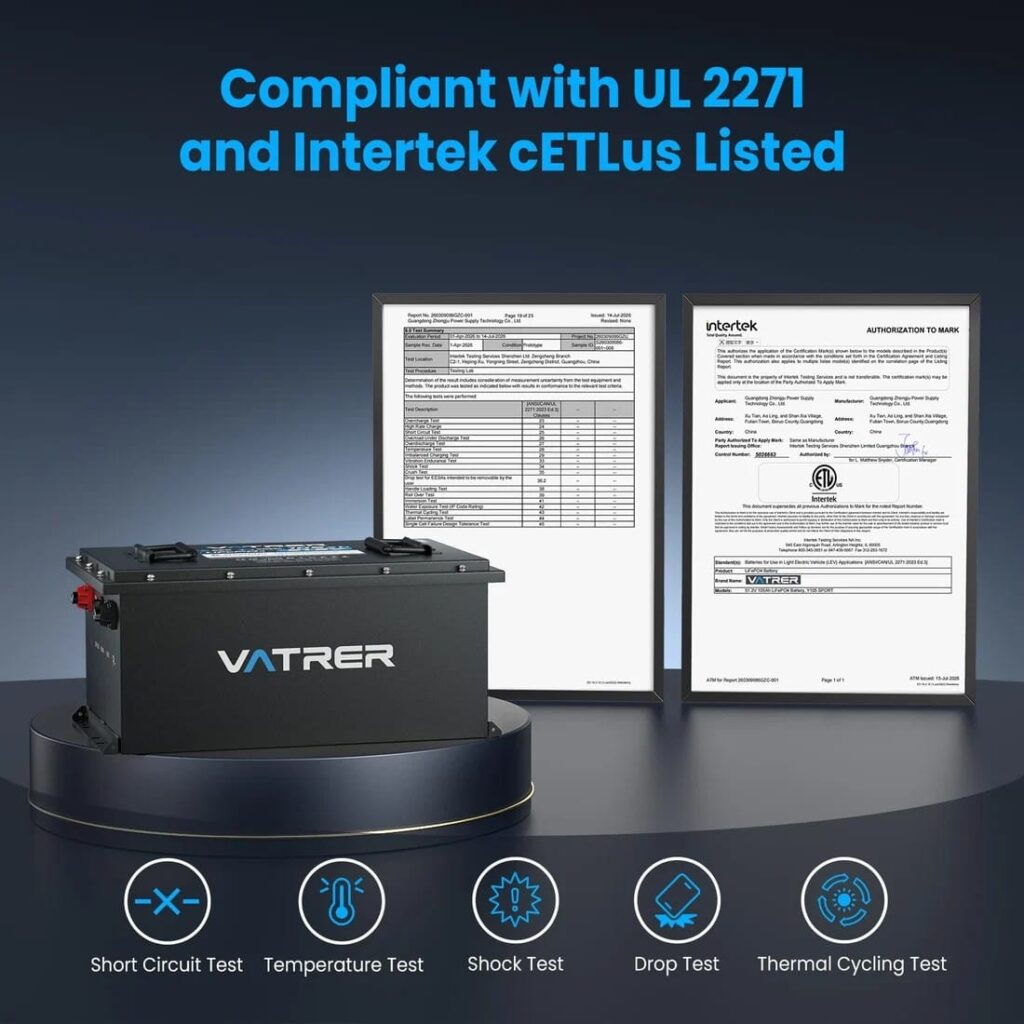
The Vatrer 48V 105Ah Lithium Golf Cart Battery Conversion Kits represent how modern battery upgrades combine energy capacity with intelligent features. Designed around LiFePO4 technology, these conversion solutions focus on delivering reliable power output while supporting features such as smart monitoring and advanced battery protection. The Vatrer 48V 105Ah Lithium Golf Cart Battery Conversion Kit is also compliant with UL 2271 certification, giving users added confidence in the battery’s safety testing and performance standards.
For users upgrading an electric golf cart, selecting a complete lithium conversion system can simplify the transition by providing a battery solution designed specifically for golf cart applications.
Lithium vs Lead-Acid: A Practical Comparison
The move toward lithium batteries is largely driven by the differences between lithium and traditional lead-acid technology.
Weight is one of the biggest differences. Lead-acid battery packs are heavier, which adds additional load to the golf cart. Lithium batteries provide a lighter alternative, helping improve vehicle efficiency and handling.
Maintenance is another important factor. Lead-acid batteries usually require more regular care, while lithium systems generally require less maintenance. This makes lithium batteries more convenient for users who want a simpler ownership experience.
Charging performance is also improved with lithium technology. Lithium batteries typically support faster and more efficient charging, allowing users to spend less time waiting and more time using their vehicles.
The Long-Term Value of Smart Lithium Technology
Although lithium batteries often have a higher upfront cost, their long-term benefits can make them a valuable investment. Longer service life, reduced maintenance, and improved efficiency contribute to better overall value.
For frequent golf cart users, the advantages become more noticeable over time. A reliable battery system can reduce replacement needs and provide more predictable performance.
Smart features also add value by giving users greater control over how they use and maintain their energy system.
How LiFePO4 Chemistry Supports Modern Golf Cart Performance
LiFePO4 lithium battery have become popular because they offer strong safety characteristics and long operational life.
This battery chemistry provides stable performance, excellent thermal management, and reliable energy delivery. These qualities make LiFePO4 batteries suitable for electric vehicles where consistent power is important.
As golf cart technology continues to develop, LiFePO4 batteries are expected to remain a key component of efficient electric mobility solutions.
The Future of Smart Electric Golf Carts
The future of electric golf carts will be shaped by improvements in battery intelligence, energy efficiency, and connectivity. Smart lithium batteries are helping transform golf carts into more advanced electric vehicles.
Future battery systems will likely provide even better monitoring, improved energy management, and stronger integration with smart mobility technologies.
As users demand more from electric transportation, lithium battery innovation will continue to play an important role in improving performance and reliability.
FAQs
Why are lithium batteries better than lead-acid batteries for golf carts?
Lithium batteries offer advantages such as lighter weight, longer lifespan, faster charging, and lower maintenance requirements. They also provide more consistent power output compared with traditional lead-acid batteries.
What should I consider when choosing a lithium golf cart battery?
Important factors include voltage compatibility, battery capacity, continuous and peak discharge capability, BMS quality, charging requirements, and monitoring features such as Bluetooth or LCD displays, and whether the battery carries recognized safety certifications such as UL 2271.
Is a higher Ah rating always better for a golf cart battery?
Not necessarily. A higher Ah rating provides more stored energy and longer runtime, but the best choice depends on the golf cart’s usage, available installation space, driving conditions, and performance requirements.
Conclusion
Smart lithium batteries are changing electric golf cart technology by combining advanced energy storage with intelligent monitoring and protection systems. Features such as LiFePO4 chemistry, BMS technology, Bluetooth connectivity, UL-certified safety compliance, and improved charging performance are helping users achieve better efficiency and reliability.
As electric golf carts continue to expand beyond traditional uses, advanced lithium battery systems will become increasingly important in creating cleaner, smarter, and more dependable electric mobility solutions.