Revolutionary developments in technology have made so many things possible for businesses. It has become unbelievably easy for them to store and share documents without needing massive databases. That said, organizations nowadays can easily manage huge volumes of data using cloud technology.
What’s more, cloud technology itself has become so advanced and safe in the form of virtual data room software. However, dataroom software is different from traditional cloud storage platforms in different ways.
The following discussion is about key differences between a digital data room and other cloud storage tools.
What is cloud storage?
Cloud storage is the technology behind free file-sharing platforms and virtual data rooms. Cloud storage or computing is a virtual solution that businesses can use to store and share data via internet-based applications and tools.
Cloud storage platforms eliminate the need for in-house databases or traditional hard drives. Businesses can simply use online space hosted by cloud-storage vendors to store and share data.
What is a virtual data room?
Virtual data rooms are also cloud-based data management platforms that enable users to store and share confidential information. Just like other traditional cloud storage tools, users can simply upload, share, and archive business data. You can learn more about VDR technology and top dataroom providers on startupdatarooms.com.
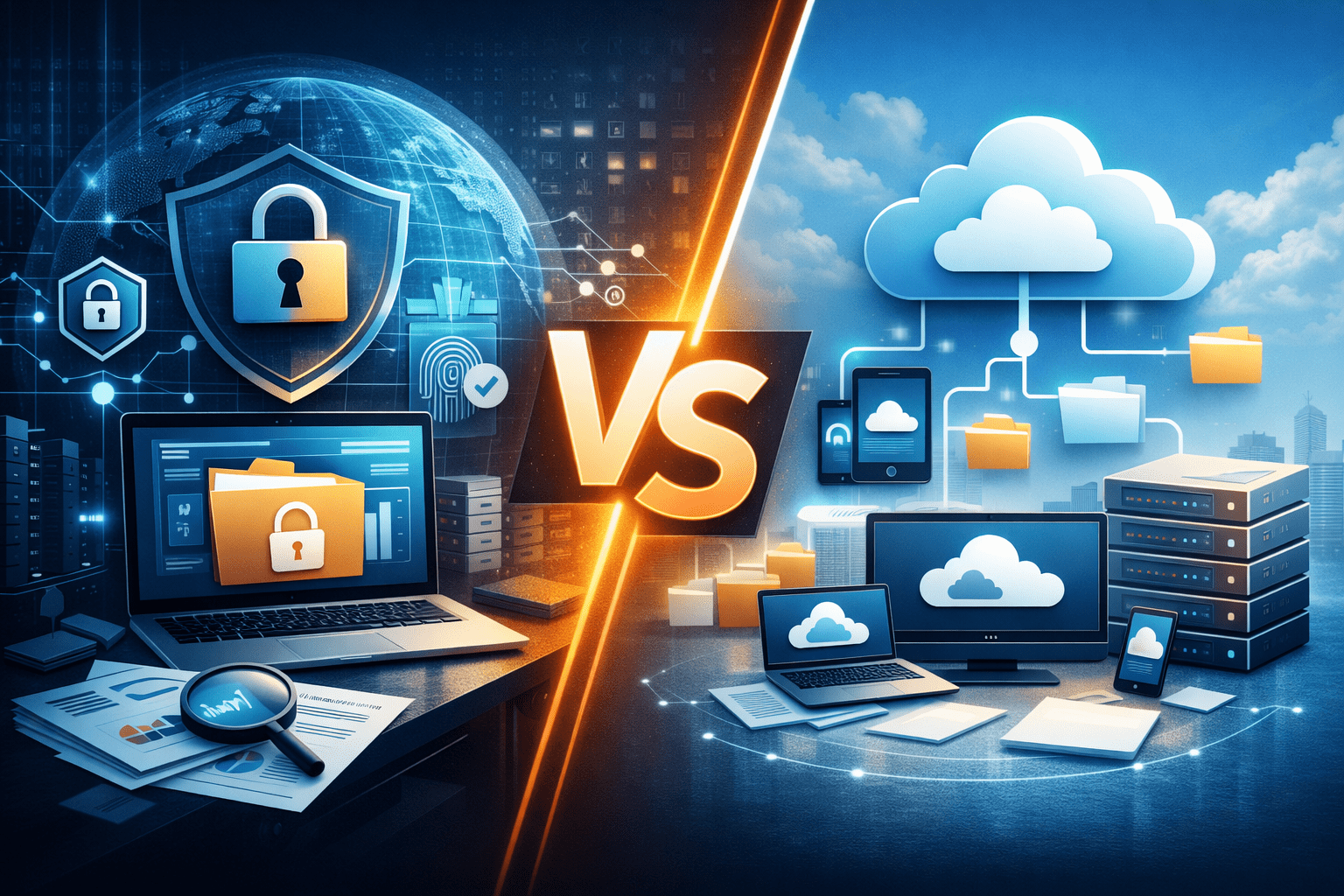
Virtual Data Room vs. Cloud Storage
The question stands: if both options serve the same purpose, what is the difference between them? Why are businesses rapidly moving to virtual data rooms when there are other cloud-storage tools? Here’s what you require about both solutions so you can make the optimal choice for your business.
1. Security
Virtual data rooms are fully secure, and this is one of the biggest strengths of VDR technology. High-end data room solutions keep corporate data secure from any type of threat. They have advanced features that keep data secure from internal and external vulnerabilities. For example, data rooms use encryption to keep data encrypted during transit and at rest. This feature is not available in most of the cloud-storage tools.
Data rooms also provide security features like multi-factor authorization and granular access permissions. These features prevent unauthorized entries in the VDR and set document access restrictions on users. What’s more, features like AI redaction automatically hide the sensitive parts of a document when shared with external users. Such features are hard to find in other cloud solutions.
2. Compliance
Compliance is another key difference between virtual data room technology and traditional cloud storage. Data rooms are built for advanced dealmaking, and organizations have been using this technology for cross-border transactions. That is because VDR providers comply with international and regional standards like ISO-27001, HIPAA, GDPR, and SOC compliance.
Other cloud storage platforms are usually ISO compliant, but they are not fit for international deal-making as they don’t comply with regional information-sharing standards.
3. Reporting
Virtual data rooms have reporting capabilities that are handy in determining the interest of different buyers. VDR analytics show sellers what type of documents are mostly viewed by the bidders and how much time they spend in the data room. Companies can utilize the information to enhance their bargaining power as well as raise the value of the bid in the bidding process. These detailed records of user activities in the data room are also important for audits and ensure transparency.
Traditional cloud storage platforms do not provide such advanced reporting and detailed audit logs. Thus, enhanced security functionality and security from VDR software provide more value to dealmakers compared to any free data sharing tool.
4. Efficiency
There is no doubt that data room software is more efficient compared to the conventional cloud storage platform, most importantly, when closing a business deal. Businesses can create multiple projects or rooms (depending on the dataroom service) and contact multiple bidders or potential buyers at once.
What’s more, virtual data rooms allow companies to keep their communication on the same platform. Both parties can settle their queries in an instant, while sellers can keep an eye on all potential buyers with ease. This not only allows companies to choose the most suitable option, but they can also close business deals faster.
In a nutshell, here is a summary of the differences between VDRs and cloud storage.
|
Feature |
Virtual Data Rooms (VDRs) |
Cloud Storage |
|
Security |
VDRs offer advanced security features like encryption, MFA, and AI redaction to protect data |
Cloud storage generally lacks the advanced security and access controls found in VDRs |
|
Compliance |
VDRs comply with international standards which makes them ideal for global deals |
Cloud storage typically has basic compliance but may not meet regional deal-making needs |
|
Reporting |
VDRs provide in-depth analytics and user activity tracking useful for audits and negotiations |
Cloud storage does not offer detailed reporting or audit logs required for due diligence |
|
Efficiency |
VDRs enhance deal efficiency by centralizing communication and supporting multi-party projects |
Cloud storage lacks built-in tools for managing complex transactions and collaborative deals |
Data room prices may be a concern for users, as VDRs are not free solutions like other platforms. However, its premium security features protect businesses from costly data leaks and significantly improve deal success chances. This makes virtual data rooms highly efficient solutions as compared to other similar tools.
Takeaway
Conventional cloud storage solutions are excellent if you are working with non-confidential files. But any kind of confidential information is not secure with cloud-based applications.
Therefore, it is advisable to deploy virtual data rooms so that unintended data leakage does not occur and you are on the safer side. However, it is crucial to have the right data room software that meets the requirements of your business.