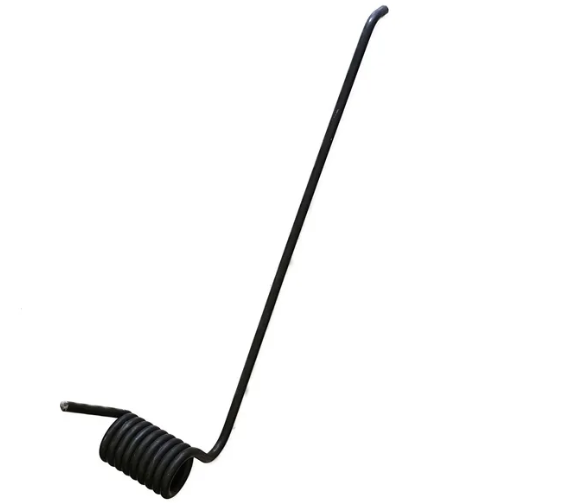
Anyone who has lifted a heavy trailer ramp or horse float tailgate knows how much effort it can take. A tailgate may look simple from the outside, but when it is built from steel, mesh, timber, or heavy-duty framing, its weight can quickly become difficult to manage. This is where tailgate springs become useful.
Tailgate springs are designed to make opening and closing a trailer tailgate or ramp easier, safer, and more controlled. Instead of carrying the full weight by hand, the spring helps counterbalance the load. This reduces strain on the person operating the tailgate and helps prevent sudden drops, awkward lifting, and unnecessary wear on the trailer.
For trailer owners, horse float operators, tradies, farmers, and anyone using a ramp-style trailer, quality tailgate springs can make everyday loading and unloading much more manageable. They are especially useful when the tailgate is used often or when the ramp is too heavy to lift comfortably without assistance.
What Are Tailgate Springs?
Tailgate springs are heavy-duty springs fitted to trailer tailgates, ramps, and loaders to assist with movement. Their main job is to reduce the effort needed to lift and lower the tailgate.
Most trailer tailgate springs work as torsion springs. A torsion spring stores mechanical energy when it is twisted and then releases force in the opposite direction. In simple terms, the spring helps balance the weight of the tailgate as it moves.
On a trailer, this means the spring can make the tailgate feel lighter. When the tailgate is lowered, the spring stores energy. When the tailgate is lifted again, that stored energy helps bring it back up. This is why a correctly selected spring can make a heavy ramp easier to control.
Why Tailgate Springs Matter
A heavy tailgate without spring assistance can be difficult and unsafe to handle. If the ramp drops too quickly, it can damage the trailer, hit the ground hard, or cause injury. If it is too heavy to lift, the operator may strain their back, shoulders, wrists, or arms.
Tailgate springs help solve this problem by supporting the weight of the tailgate throughout its movement. They do not remove the weight completely, but they reduce the effort needed to control it.
This is especially important for trailers used in daily work. A tradesperson loading tools, a farmer moving equipment, or a horse owner using a float regularly needs a tailgate that opens and closes smoothly. When the movement feels controlled, the trailer becomes easier and safer to use.
Common Uses for Tailgate Springs
Tailgate springs are used across many different trailer types. They are not limited to one industry or one kind of vehicle.
Horse Floats
Horse float tailgates can be heavy because they need to be strong enough for animals to walk on safely. A good spring setup makes the tailgate easier to lower gently and lift back into place. This is helpful for both safety and convenience, especially when handling horses at the same time.
Utility Trailers
Utility trailers are often used by tradespeople, landscapers, property owners, and small businesses. If the trailer has a ramp or loading gate, tailgate springs can make it easier to load mowers, tools, machinery, materials, and general equipment.
Plant and Equipment Trailers
Trailers used for machinery and equipment often have strong ramps built for heavy use. These ramps can be difficult to manage without assistance. Tailgate springs help make lifting and lowering less physically demanding.
Farm Trailers
Farm trailers are regularly used on rough ground and often carry equipment, feed, tools, or animals. A spring-assisted tailgate can make daily farm work easier, especially when trailers are used repeatedly throughout the day.
How Tailgate Springs Improve Safety
The biggest benefit of tailgate springs is control. A heavy tailgate can become dangerous if it falls suddenly or if the person lifting it loses grip. A spring-assisted setup helps reduce that risk by slowing the movement and supporting part of the weight.
This can be helpful in several ways. It reduces the chance of the tailgate slamming down. It makes lifting less stressful on the body. It also helps one person operate a ramp more comfortably, depending on the size and weight of the tailgate.
Safety also depends on choosing the correct spring. If the spring is too weak, it may not provide enough support. If it is too strong, the tailgate may become difficult to lower or may lift too aggressively. The goal is to create a balanced movement that feels smooth and predictable.
Choosing the Right Tailgate Spring
Not every tailgate spring suits every trailer. Before buying or replacing one, it is important to think about the tailgate size, weight, height, and intended use.
Tailgate Weight
The weight of the tailgate is one of the most important factors. A light tailgate may only need a smaller spring, while a heavy steel ramp may require a stronger spring. Choosing the wrong rating can affect performance and safety.
Tailgate Height
The height of the tailgate also matters. Spring ratings are often connected to the size and movement of the tailgate. A taller ramp can place different demands on the spring compared to a shorter one.
Left and Right Spring Setup
Many tailgate spring systems use left-hand and right-hand springs. This helps balance the tailgate from both sides. If only one side is replaced or if the wrong side is installed, the tailgate may not operate evenly.
Trailer Type
A horse float, utility trailer, and machinery trailer may all need different spring setups. The correct choice depends on how the tailgate is built and how often it is used.
Mounting and Spring Holders
The spring itself is only part of the setup. The spring holder, mounting points, and trailer structure must also be strong and suitable. A weak or rusty holder can become a serious problem, even if the spring is still in good condition.
Signs Your Tailgate Springs May Need Replacing
Tailgate springs do not last forever. Over time, they can wear, rust, weaken, or become damaged. If the tailgate becomes harder to lift than usual, the spring may no longer be helping properly.
Another warning sign is uneven movement. If one side of the tailgate feels heavier or the ramp twists while opening, there may be a problem with one of the springs or mounting points.
Visible rust, cracks, bent parts, or damaged spring holders should not be ignored. These parts are under pressure during use, so a failure can happen suddenly. If something looks unsafe, it is better to stop using the trailer until it has been checked.
Noise can also be a sign of wear. Some movement noise is normal, but grinding, snapping, or unusual clunking may indicate a problem with the spring or mounting hardware.
Maintenance Tips for Tailgate Springs
Regular inspection helps keep tailgate springs working safely. Before using the trailer, look over the springs, holders, pins, welds, and mounting points. Make sure everything appears secure and free from serious rust or damage.
Keeping the spring area clean can also help. Trailers often collect mud, dust, water, and road grime. Over time, this can contribute to corrosion, especially around holders and mounting points.
Lubrication may be useful depending on the design of the spring system and the manufacturer’s recommendations. However, it is important not to apply products blindly. If unsure, ask a trailer parts supplier, mechanic, or installer for advice.
If the tailgate suddenly feels different, do not ignore it. A change in weight, movement, or balance can be an early warning that something is wearing out.
Why Quality Matters
A tailgate spring is not just a convenience part. It plays an important role in how safely and smoothly a trailer tailgate operates. Poor-quality springs may wear faster, lose strength, or fail under regular use.
Quality matters even more when the trailer is used for work, animals, machinery, or daily loading. In these situations, the spring needs to handle repeated movement and outdoor conditions. A reliable spring can save time, reduce physical effort, and help protect both the user and the trailer.
It is also worth paying attention to the spring holder. A strong spring still needs a secure mounting system. If the holder is weak, rusted, or poorly fitted, the whole setup can become unsafe.
Professional Installation and Correct Fitment
Some experienced trailer owners may be comfortable replacing tailgate springs themselves, but many people should use a professional installer. Tailgate springs are under tension, and incorrect installation can be dangerous.
A professional can check the trailer structure, spring direction, rating, holders, welds, and movement. This helps ensure the spring works properly and does not place extra stress on the trailer.
Correct fitment is especially important for horse floats and heavy trailer ramps. These tailgates are often large, and a poor spring setup can make them unpredictable. A properly fitted system should feel controlled from the moment the tailgate starts moving until it is fully opened or closed.
Final Thoughts
Tailgate springs make trailer use easier, safer, and more practical. Whether you own a horse float, utility trailer, plant trailer, or farm trailer, the right spring setup can reduce lifting strain and give better control when opening and closing the tailgate.
The key is choosing the correct spring for the weight and size of the tailgate. It is also important to inspect the spring holders and mounting points because the full system needs to work together.
For anyone who regularly loads equipment, animals, tools, or machinery, tailgate springs are a small component that can make a big difference. With the right spring installed correctly, a heavy tailgate becomes easier to handle, safer to operate, and better suited for everyday use.
Read More From Techbullion