Step on a scale first thing in the morning, and it hands you a single number. That number goes up, you feel bad. It goes down, you feel good. For most of us, that’s been the entire relationship we’ve had with tracking our health for decades.
The problem is that number is almost useless on its own.
Two people can weigh the same and be in completely different shape. One might be carrying more muscle and less fat. The other might have lower muscle mass and higher visceral fat, the kind that sits around your organs and quietly raises your risk for a handful of health issues. A scale can’t tell them apart. It just gives you a total, the same way a receipt gives you a total without ever listing what you actually bought.
Why Weight Alone Is a Bad Metric
Say you start a new workout routine. Six weeks in, you check the scale and it hasn’t moved much. Frustrating, right? Except muscle is denser than fat, so if you’ve been building muscle while losing fat, your weight could stay nearly flat even though your body has changed in a real, meaningful way. People quit programs that are actually working for them because the scale didn’t validate the effort.
The opposite happens too. Someone cuts calories aggressively, the number on the scale drops fast, and it feels like a win. But a chunk of that loss might be water weight or muscle, not fat. Losing muscle isn’t a victory. It slows your metabolism down and makes it easier to regain weight later.
Weight alone can’t distinguish between these outcomes. You need to see what’s actually changing underneath.
What Body Composition Tracking Actually Measures
This is where things get more useful. Instead of one number, proper body composition analysis breaks your body down into the parts that matter:
Muscle mass. How much of your body is functional tissue that burns calories and supports movement, not just weight sitting there.
Body fat percentage. A far better indicator of health than total weight, since it accounts for what your weight is actually made of.
Visceral fat. The fat around your internal organs, which is linked to metabolic health in a way that surface fat isn’t.
Hydration levels. Your body’s water balance, which shifts daily and affects almost every other reading if it isn’t accounted for.
Metabolic age. How your metabolism compares to typical rates for your age group, based on your actual composition rather than a guess.
Put together, these numbers tell you a story your scale never could. They show you whether your training is building the right kind of tissue, whether your diet is protecting your muscle while you lose fat, and whether changes you can’t see yet are already happening beneath the surface.
Why This Matters More at Home Than in a Clinic
Clinical-grade body composition analysis has existed for a long time in labs and doctor’s offices. The catch was access. You’d get a full workup maybe once or twice a year, if that. That’s not nearly often enough to actually manage your progress in real time.
Bringing that level of measurement home changes the whole equation. When you can check your composition regularly, in your own bathroom, you start noticing patterns instead of guessing. You see when a new habit is working before the mirror shows it. You catch when muscle loss starts creeping in during a cut, early enough to adjust before it becomes a bigger problem.
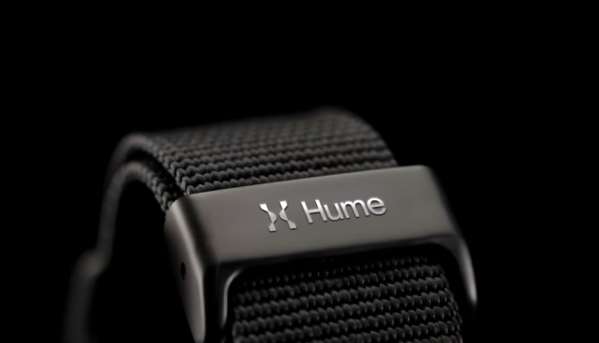
This is exactly the gap Hume Health was built to close. Their body composition analyser uses an 8 point electrode system to measure over 45 different metrics, the kind of detail that used to require a clinical visit, now available as part of a normal morning routine. Paired with their wearable, the Hume Band 2.0, it connects daily habits like sleep and recovery to the changes actually happening inside your body, rather than treating each data point in isolation.
What to Actually Do With the Data
Numbers alone don’t change anything if you don’t know what to do with them. The value comes from checking in consistently and watching direction, not obsessing over any single reading.
If your muscle mass is trending up while body fat trends down, your training and nutrition are working together the way they should. If visceral fat is dropping even when your total weight barely moves, that’s real progress your scale would have completely missed. If hydration swings wildly day to day, you might be under drinking water more than you think, and that alone can throw off how you interpret everything else.
None of this requires guesswork or a gym full of expensive equipment. It just requires better information than a single number sitting on your bathroom floor.
The Bigger Picture
Health isn’t a number you check once and forget. It’s a slow, ongoing process, and the tools you use to track it should reflect that. A smart body composition scale doesn’t replace effort or good habits, but it does replace guessing with actual evidence.
The next time you’re tempted to judge a week of hard work by a single number on a scale, remember that the number was never the full story to begin with. Your body has more to tell you than that, if you’re measuring the right things.