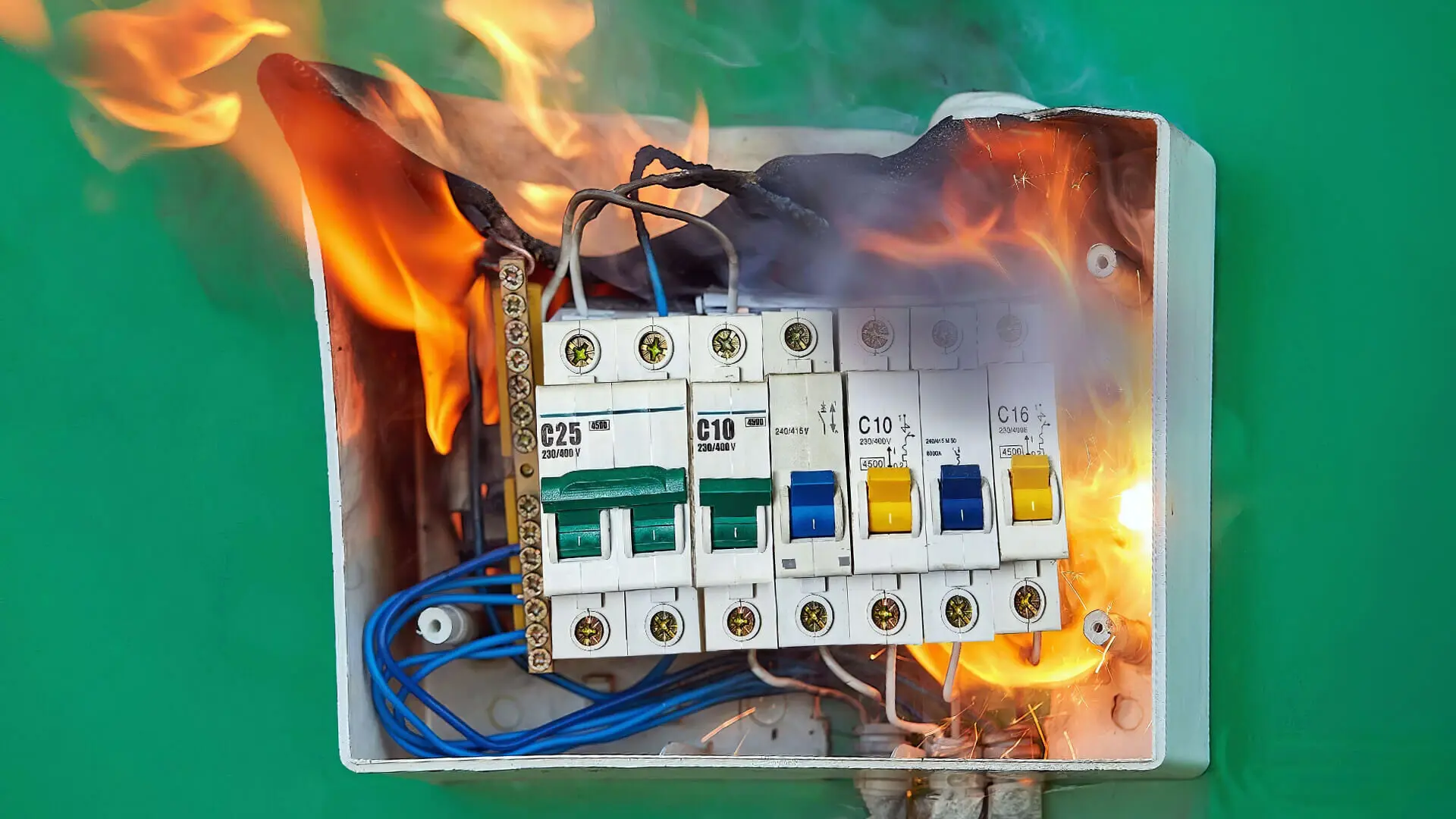
Fire protection starts with understanding how small mistakes can lead to serious danger. At the beginning of your safety journey, learning how electricity behaves in your home matters a lot. Because wires, outlets, and devices are used every day, problems can quietly grow. Therefore, knowing the risks helps families stay safe. Moreover, when safety habits are taught early, even children can notice warning signs. As a result, homes become calmer and more secure places to live.
Fire protection and common electrical fire causes explained clearly
Fire protection becomes stronger when the most common causes of electrical fires are understood. Often, damaged cords are used for too long, and this creates heat. Also, overloaded outlets are pushed beyond their limits, so sparks can form. Meanwhile, old wiring may not handle modern devices well. Because of these issues, fires sometimes start behind walls. Therefore, checking cords and plugs often is a smart habit that reduces risk greatly.
Fire protection through safe use of household appliances
Fire protection improves when appliances are used the right way. For example, heaters should be placed far from curtains and furniture. Similarly, irons and stoves should never be left alone. When devices are unplugged after use, heat buildup is reduced. As a result, accidents happen less often. Furthermore, using appliances with safety labels gives extra peace of mind. According to the National Fire Protection Association, safe appliance use lowers home fire risk significantly .
Fire protection by managing outlets and power strips wisely
Fire protection depends heavily on how outlets are handled. Although power strips are helpful, they are sometimes misused. When too many devices are plugged into one strip, wires can overheat. Therefore, each outlet should be given space to breathe. In addition, extension cords should only be used for short periods. Because of this careful use, the chance of electrical failure drops sharply.
Fire protection and the role of a carbon monoxide alarm
Fire protection is not only about flames but also about invisible dangers. A carbon monoxide alarm plays a vital role in overall home safety. Carbon monoxide is a gas that cannot be seen or smelled, yet it can be deadly. Because electrical and fuel-burning devices may release this gas, alarms are essential. When an alarm sounds early, families can leave safely. The Centers for Disease Control and Prevention strongly recommend carbon monoxide alarms for every home .
Fire protection enhanced by the X-Sense XC01-R carbon monoxide detector
Fire protection can be strengthened further by choosing reliable safety tools. The X-Sense XC01-R portable carbon monoxide detector is designed to provide accurate alerts. Because it uses advanced sensors, dangerous gas levels are detected early. In addition, its clear display makes readings easy to understand for all ages. Therefore, families can respond quickly without confusion. This detector supports a safer environment when paired with good electrical habits.
Fire protection through regular home inspections and routines
Fire protection works best when safety checks become routine. For instance, cords should be inspected monthly for cracks. Likewise, outlets that feel warm should be checked by a professional. When routines are followed, small problems are fixed before they grow. As a result, stress is reduced and confidence increases. Fire safety experts agree that regular inspections lower long-term risks .
Fire protection education for children and families
Fire protection becomes a shared responsibility when everyone learns together. Children can be taught not to play with outlets or cords. Meanwhile, adults can explain why safety rules matter. Because learning is shared, habits improve faster. Also, emergency plans should be practiced calmly. When everyone knows what to do, panic is reduced during real emergencies.
Fire protection and emergency planning at home
Fire protection includes being ready for unexpected moments. Emergency plans should show clear exit paths. Moreover, meeting points outside the home should be chosen. Because practice builds confidence, drills should be done twice a year. Therefore, when alarms sound, actions feel familiar. This preparation saves valuable time and can prevent injuries.
Frequently Asked Questions
What does fire protection mean for a family home?
Fire protection means using habits, tools, and planning to prevent fires and reduce harm. It includes electrical safety, alarms, and emergency plans.
Why is a carbon monoxide alarm important with electrical safety?
A carbon monoxide alarm warns families about dangerous gas that cannot be seen or smelled. It adds another layer of safety alongside fire prevention.
How does the X-Sense XC01-R carbon monoxide detector help?
The X-Sense XC01-R carbon monoxide detector gives clear alerts when gas levels rise. Because alerts come early, families can act quickly.
How often should electrical safety checks be done?
Electrical checks should be done monthly at home. Professional inspections are recommended every few years for older houses.
Can children understand basic fire protection rules?
Yes, children can learn simple fire protection rules easily. When explained clearly, they remember and follow safety habits better.
Conclusion
Fire protection is most effective when small actions are taken daily. By using appliances carefully, managing outlets, installing a carbon monoxide alarm, and choosing tools like the X-Sense XC01-R carbon monoxide detector, risks are reduced. Because knowledge leads to better habits, families feel more secure. In the end, a safe home is created through awareness, care, and consistent routines.