
Passkeys Explained for Business Leaders: What Replaces the Password and When to Switch

Introduction: The Password Problem in Modern Business
Passwords have long been the cornerstone of digital security, yet they remain one of the most vulnerable points in any organization’s cybersecurity framework. Despite widespread awareness of their weaknesses, many businesses continue to rely on passwords for user authentication, exposing themselves to risks such as phishing, credential stuffing, and data breaches. According to a recent report, 81% of data breaches involve stolen or weak passwords, highlighting the urgent need for more secure alternatives.
The shortcomings of passwords are well known: users tend to create weak passwords or reuse the same ones across multiple accounts, making it easier for attackers to gain unauthorized access. Moreover, password management is a significant burden for organizations, with employees frequently forgetting or losing their passwords, leading to costly support calls and downtime. In fact, password resets account for up to 30% of help desk calls, costing businesses billions annually.
Enter passkeys-a modern authentication method designed to replace passwords with a more secure, user-friendly solution. For business leaders seeking to enhance security while maintaining operational efficiency, understanding passkeys is essential. This article explains what passkeys are, why they matter, and when your organization should consider making the switch.
What Are Passkeys?
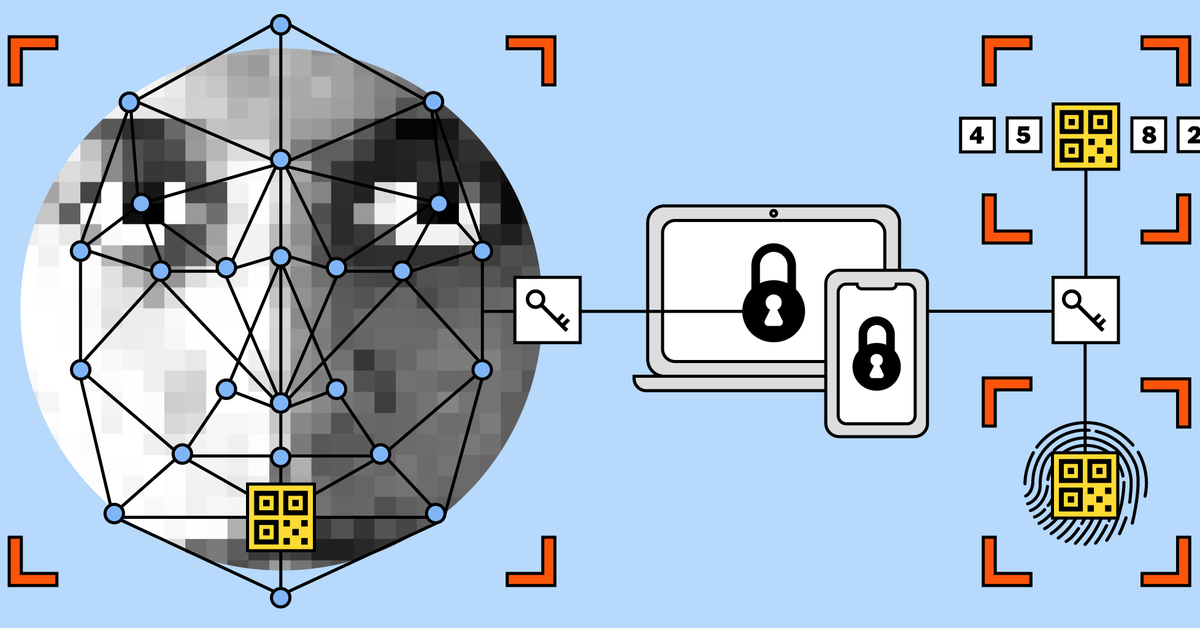
Passkeys are a form of cryptographic authentication that eliminates the need for passwords. Instead of relying on something a user knows (a password), passkeys use a combination of public and private key cryptography tied to a user’s device. When logging in, the user’s device generates a unique cryptographic signature that verifies their identity without transmitting any secret information over the network.
Unlike passwords, passkeys cannot be easily guessed, stolen, or reused across multiple accounts. They also protect against phishing attacks because authentication is tied to the legitimate website or service, preventing attackers from intercepting or redirecting credentials.
This technology is built on open standards such as FIDO2 and WebAuthn, which are supported by major browser vendors and operating systems including Windows, macOS, iOS, and Android. This broad support means that passkeys can be deployed across a variety of platforms and devices, making them a scalable solution for organizations of all sizes.
Why Business Leaders Should Care About Passkeys
Cyberattacks targeting business credentials have surged dramatically in recent years. The FBI’s Internet Crime Complaint Center reported a 300% increase in business email compromise attacks over the past five years. This statistic underscores the need for stronger authentication methods.
Beyond the security imperative, passkeys offer a smoother and more streamlined user experience. Passwordless logins reduce friction for employees and customers alike, leading to higher productivity and fewer support tickets. For organizations with customer-facing applications, passkeys can improve customer satisfaction by simplifying access and reducing login-related frustrations.
For managed service providers (MSPs) and IT teams, integrating passkeys into existing infrastructure can be a strategic move. PROTELI, an MSP offers tailored managed IT services that can help businesses transition to modern authentication solutions smoothly, ensuring minimal disruption and maximum security.
By adopting passkeys, organizations can also position themselves as leaders in cybersecurity, which can be a competitive advantage in industries where trust and data protection are paramount. Additionally, many regulatory frameworks are increasingly emphasizing strong authentication, making passkeys a forward-looking compliance strategy.
How Passkeys Work in Practice
The process involves two keys: a private key stored securely on the user’s device and a public key stored on the server. When a user registers a passkey, the private key never leaves their device. During authentication, the server challenges the device, which then uses the private key to sign the challenge and prove the user’s identity.
This approach offers significant security benefits without sacrificing usability. Users no longer need to remember complicated passwords or rely on password managers, and businesses can reduce the overhead associated with password resets and account recovery.
Because the private key never leaves the device and the server only stores the public key, even if the server is compromised, attackers cannot use the public key to impersonate users. This design greatly reduces the risk of credential theft. Furthermore, passkeys inherently resist phishing because the cryptographic response is valid only for the legitimate site, preventing attackers from successfully redirecting authentication attempts.
When to Switch: Timing and Considerations
Transitioning from passwords to passkeys is a strategic decision that depends on several factors:
– Security posture: If your organization has experienced phishing attacks or credential compromises, adopting passkeys can significantly enhance protection. The risk of credential theft and related breaches can be drastically reduced by eliminating passwords.
– User base: For businesses with tech-savvy employees or customers, passkeys can be adopted more quickly. For others, a gradual rollout with training and support may be necessary to ensure smooth adoption and minimize resistance.
– Infrastructure readiness: Passkey adoption requires compatibility with authentication protocols like FIDO2 and support from browsers and operating systems. Many major platforms now support passkeys natively. It is important to evaluate your existing systems and applications for compatibility or plan for necessary upgrades.
– Compliance requirements: Industries with strict regulatory standards may benefit from passkeys as they provide stronger authentication controls that help meet compliance mandates related to data protection and access management.
Businesses looking to implement passkeys should work with technology partners experienced in identity and access management. Red Bigfoot IT specializes in IT solutions that help companies modernize their security frameworks, including deploying passwordless authentication methods.
Planning the migration carefully is crucial. Organizations should conduct pilot programs, gather user feedback, and prepare comprehensive training materials. Additionally, contingency plans should be in place to handle any issues during the transition phase.
Benefits Beyond Security
Besides enhanced security, passkeys offer operational advantages:
– Reduced IT support costs: Password resets account for up to 30% of help desk calls, costing businesses billions annually. Passkeys minimize these interruptions by eliminating passwords altogether.
– Improved compliance: Stronger authentication reduces the risk of non-compliance penalties related to data breaches and helps organizations meet requirements such as those outlined in GDPR, HIPAA, and PCI DSS.
– Future-proofing: As regulations and technology evolve, passkeys position businesses ahead of the curve in cybersecurity. With growing support from technology vendors and standards bodies, investing in passkeys now prepares organizations for the passwordless future.
– User convenience: Passkeys enable quick, seamless logins using biometric sensors like fingerprint readers or facial recognition, which users find more convenient than typing complex passwords.
– Cross-device synchronization: Modern passkey implementations allow secure syncing across a user’s devices via encrypted cloud storage, reducing the risk of lockout and enhancing flexibility.
Challenges and Mitigation Strategies
No technology transition is without challenges. Some common concerns include:
– User adoption: Change management and user education are critical to ensure smooth adoption. Providing clear communication about benefits, training sessions, and ongoing support can alleviate user anxiety.
– Device dependency: Passkeys are device-specific; however, most implementations allow secure syncing or backup options to other devices, mitigating the risk of losing access if a device is lost or replaced.
– Legacy systems: Integration with older applications may require additional development or middleware. Organizations should assess their application landscape and plan for phased integration or replacement of legacy systems.
– Vendor lock-in concerns: Organizations should choose solutions based on open standards to avoid dependence on a single vendor’s ecosystem.
Collaborating with experienced MSPs and IT consultants can help mitigate these risks and ensure a successful rollout. Leveraging their expertise can accelerate deployment, reduce errors, and align the implementation with business goals.
Conclusion: Preparing Your Business for the Passwordless Future
Passwords have served as the default authentication method for decades, but their limitations are increasingly untenable in today’s threat landscape. Passkeys offer a compelling alternative, combining stronger security with improved user experience. Business leaders who proactively evaluate and implement passkey technology will not only protect their organizations but also gain operational efficiencies and competitive advantages.
If your company is considering the move to passkeys, now is the time to start planning. Engage with trusted technology partners to assess your current authentication systems and develop a roadmap for transition. The future of secure and seamless access is passwordless-and businesses that adapt early will be best positioned for success.
By embracing passkeys, organizations can reduce their exposure to cyber threats, enhance compliance, lower IT support costs, and improve user satisfaction-a powerful combination that can transform digital security and business operations alike.







Comment