
Bandarban, Bangladesh: Mountains, Community and a New Generation of Travelers

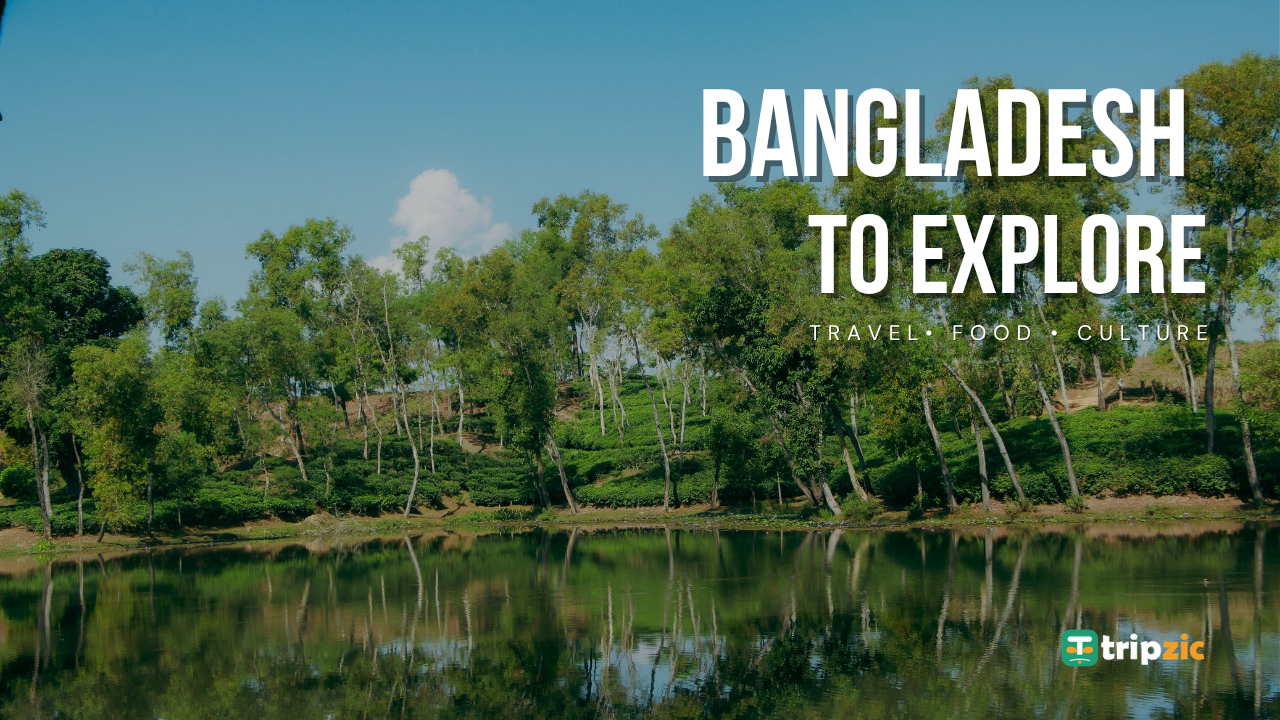
Far from the busy streets of Dhaka, Bangladesh changes character.
The roads become narrower, the landscape becomes greener, and mountains begin to rise across the horizon. In southeastern Bangladesh, Bandarban offers one of the country’s most distinctive travel experiences: a combination of hills, forests, waterfalls, indigenous cultures and remote communities.
For years, Bandarban has been a favorite destination for Bangladeshi adventure travelers. But the way young people are discovering the hills is changing.
Travel is becoming more social, more community-driven and increasingly connected through technology.
For Bangladesh’s younger generation, Bandarban isn’t simply somewhere to visit. It is becoming a place to explore with new people, share experiences and escape the routines of city life.
Why Bandarban Feels Different
Bandarban is unlike most other destinations in Bangladesh.
Instead of beaches or flat river landscapes, visitors encounter winding mountain roads, dense forests and viewpoints overlooking layers of green hills.
Places such as Nilgiri, Chimbuk, Boga Lake and Nafakhum have become well-known among adventure travelers, while smaller villages and trails offer opportunities to experience a quieter side of the region.
The journey itself is part of the attraction.
A trip to Bandarban can involve long road journeys, local transportation, hiking and early-morning starts. That sense of adventure is exactly what makes the destination attractive to younger travelers.
The Appeal of Going With a Group
There is something different about reaching a mountain viewpoint with a group of people who were strangers a few days earlier.
Someone is taking photographs. Someone is sharing snacks. Another person is planning the next stop. By the end of the trip, the group may feel much more familiar than it did when everyone first met.
This is one reason group travel has become increasingly appealing among young Bangladeshi travelers.
Traveling together can also make complicated journeys easier.
Transportation, accommodation, meals, local arrangements and activity schedules can be coordinated collectively instead of being handled separately by every traveler.
For destinations such as Bandarban, where logistics can be more complicated than a typical city break, that can be particularly useful.
A New Travel Culture Is Emerging in Bangladesh
For an older generation, traveling often meant going with family or arranging a private trip with close friends.
Young travelers are experimenting with something different.
They may discover a destination through social media, join an organized travel group, meet other travelers at a boarding point and spend a few days exploring together.
The community itself becomes part of the journey.
This has also created opportunities for community hosts, travelers who enjoy organizing trips and bringing people together around shared experiences.
Instead of simply selling a tour, travel communities can help people find others who are interested in the same destination and create a more social experience around the journey.
How Technology Is Changing Group Travel
Travel technology is often associated with online hotel reservations, flight booking and digital payments.
But group travel presents a different set of problems that technology can help solve.
Imagine being able to discover a Bandarban trip, see the itinerary, understand the cost, choose your accommodation or transport preference, communicate with other participants and receive boarding information—all through a connected travel experience.
These aren’t complicated ideas individually.
Together, however, they can make spontaneous travel much easier.
For young people with busy university or professional lives, reducing the planning burden can make destinations such as Bandarban much more accessible.
Bandarban Beyond the Famous Viewpoints
One of the best ways to experience Bandarban is to look beyond the photographs that usually appear on social media.
The hills are home to diverse indigenous communities with their own traditions, languages, food and ways of life.
Travelers should approach these communities respectfully, follow local rules and avoid treating cultural traditions simply as tourist attractions.
The experience becomes richer when travelers take time to understand the places they visit rather than simply moving from one viewpoint to another.
Adventure Doesn’t Always Mean Extreme Travel
Bandarban is often associated with trekking and adventure.
But not every traveler needs to be an experienced trekker.
Different parts of the region offer different levels of accessibility, and travelers can choose experiences according to their interests and physical ability.
For some, the highlight may be a mountain road and sunrise.
For others, it may be a forest walk, a waterfall, local food or simply sitting on a hill and watching the landscape change as the light moves across it.
That flexibility makes Bandarban suitable for different kinds of groups.
Why Young Bangladeshis Are Looking for Experiences, Not Just Destinations
There is a broader change happening in the way young people travel.
A destination is no longer enough.
Travelers increasingly want experiences they can photograph, stories they can tell, people they can meet and memories they can share.
That is particularly visible among Bangladesh’s growing community of young travelers and content creators.
A weekend in Bandarban can become more than a checklist of attractions. It can become a shared story.
And technology makes it easier for those stories—and the people who want to experience them—to find each other.
The Future of Group Travel in Bangladesh
Bangladesh has no shortage of destinations.
The opportunity is making them easier for people to discover and experience together.
Travel platforms and communities can play a role by connecting travelers with destinations, local experiences and other people who want to travel.
The result could be a new model of domestic tourism: less transactional, more social and more community-driven.
Bandarban is a natural place for that model to grow.
Its mountains encourage exploration, its roads create a sense of adventure, and its landscapes reward travelers who are willing to go beyond the ordinary.
For a new generation of Bangladeshi travelers, the question is increasingly not simply “Where should we go?”






Comment