
Custom Printed Thermal Paper Roll Manufacturer: Printing Services, Quality Control, and Cost-Saving Tips

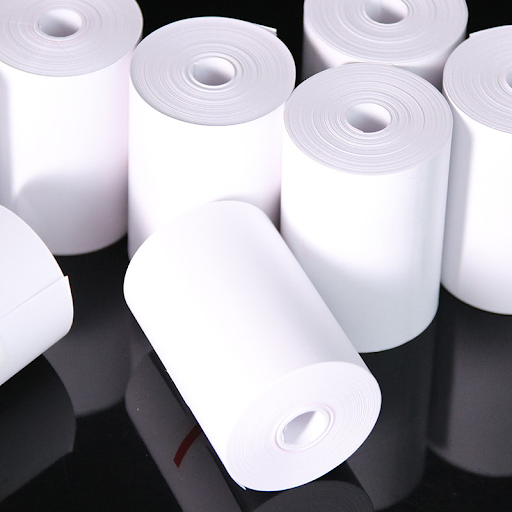
Thermal paper roll are widely used in retail stores, supermarkets, restaurants, banks, hospitals, logistics companies, and other businesses. They provide a convenient way to print receipts, transaction records, order tickets, and other important documents without requiring traditional ink cartridges. However, standard thermal paper roll do not always meet the branding and communication needs of modern businesses.
For companies that want to combine reliable printing with brand visibility, custom printed thermal paper roll offer additional value. Businesses can incorporate company logos, promotional messages, website addresses, QR codes, and other information into their receipt paper designs. These details turn an ordinary receipt into another opportunity to communicate with customers.
Choosing the right custom printed thermal paper roll manufacturer involves more than finding a supplier that can produce paper in different sizes. Buyers should understand the available printing services, artwork requirements, printing quality standards, material compatibility, and factors that influence production costs.
This guide explains what businesses should look for when ordering customized thermal paper roll and how to achieve consistent printing results while keeping procurement costs under control.
What Printing Services Can a Custom Thermal Paper Manufacturer Offer?
Custom printing is one of the most important considerations when selecting a thermal paper manufacturer. Different businesses have different branding and operational requirements, so suppliers should be able to discuss suitable printing options rather than offer only standard blank roll.
Depending on production capabilities, manufacturers may provide several types of customization.
1. Company Logo and Brand Printing
Logo printing is among the most common requirements for customized thermal paper roll. Retailers, restaurants, supermarkets, and service providers can place their company logos on receipts to maintain a consistent brand identity.
The logo can be positioned in a suitable area of the receipt, such as the header or another available printing space. Buyers should provide a clear, high-resolution logo and confirm its dimensions and placement before production.
2. Promotional Message and Advertising Printing
Businesses can use receipt paper to communicate special offers, seasonal promotions, discount codes, and upcoming campaigns.
For example, a restaurant may print a message encouraging customers to visit again, while a supermarket may include information about a loyalty program. These messages allow businesses to extend their marketing communication beyond the checkout counter.
Manufacturers should help buyers determine the available printing area so promotional content does not interfere with important transaction information.
3. Website, Contact Information, and Social Media Details
A customized receipt can also display a company’s website, customer service number, email address, or social media information.
This is particularly useful for businesses that want customers to know where to find support, product information, or future promotions. The information should remain short and readable, especially when the receipt width is limited.
4. QR Code and Barcode Printing
Some businesses request QR codes or barcodes to support promotional campaigns, customer identification, loyalty programs, and internal tracking.
However, these designs require additional attention to printing accuracy. The code must have sufficient contrast, appropriate dimensions, and clear surrounding space to remain scannable.
Before approving bulk production, buyers should scan sample codes using the devices and applications intended for actual use.
5. Multi-Color and Custom Design Printing
Depending on the manufacturer’s printing equipment and available processes, customized thermal paper may support different colors and design arrangements.
Businesses can request brand colors, simple graphics, promotional layouts, and other visual elements. The available number of colors, printing positions, and coverage should be confirmed with the supplier because these factors can influence both production costs and lead times.
For most commercial applications, a clean design with limited colors is often more practical than a complicated layout.
What to Check Before Ordering Custom Printed Thermal Paper Roll
A professional printing design is important, but it must also work with the paper material and the intended receipt printer. Buyers should confirm the following requirements before placing an order.
Paper Dimensions and Printer Compatibility
Thermal paper roll are commonly available in widths such as 57 mm and 80 mm, although other dimensions may be required for specific applications.
Buyers should confirm:
- Roll width and total diameter.
- Core size and inner diameter.
- Paper thickness and GSM.
- Required paper length.
- Printer model and loading capacity.
Incorrect dimensions can cause feeding problems, paper jams, or installation difficulties. Even when ordering customized printing, the basic paper specifications should remain compatible with the equipment.
Printing Area and Design Placement
The manufacturer should explain which areas of the roll can accommodate pre-printed information.
For example, a retailer may want its logo near the top of every receipt, while a restaurant may prefer a promotional message near the bottom. The design should leave sufficient space for transaction details generated by the thermal printer.
Buyers should also confirm whether printing is available on one side or both sides, where applicable, and whether the proposed design is suitable for the paper construction.
Artwork Format and Color Requirements
Clear artwork helps manufacturers reproduce designs accurately. Buyers should ask about accepted file formats and provide high-resolution artwork whenever possible.
Vector formats such as AI, EPS, and PDF are often useful for professional printing because they allow logos and text to retain their clarity when resized. However, the manufacturer’s specific file requirements should always be confirmed.
Color references should also be provided where brand consistency matters. Buyers should request information about available ink colors, color limitations, and whether special colors involve additional charges.
Thermal Printing Compatibility
One important consideration is the relationship between pre-printed designs and the thermal printing process.
The thermal coating must remain capable of producing clear text and images when exposed to the printer’s heat. Incompatible inks, excessive printing coverage, or poorly planned layouts may affect the appearance of the final receipt.
Manufacturers should be able to explain how they control the printing process and maintain the required performance of the thermal paper.
How to Confirm the Printing Quality Before Mass Production
Printing quality should never be judged only by looking at a digital design or product photograph. A customized roll needs to be tested physically before a large order is approved.
Professional buyers can use the following checks to evaluate the finished product.
1. Request a Printed Sample or Production Proof
Ask the manufacturer to provide a physical sample or an approved printing proof showing the actual design.
Review the logo position, text size, color appearance, spacing, and overall layout. Make sure all promotional information is correct and that no important details are missing.
A sample is particularly important when ordering a new design or working with a supplier for the first time.
2. Check Printing Clarity and Color Consistency
Printed text and logos should appear clear, properly aligned, and consistent throughout the roll.
Look for:
- Blurred or incomplete letters.
- Uneven color coverage.
- Incorrect logo proportions.
- Misaligned printing.
- Unwanted marks or ink transfer.
- Differences between repeated printed designs.
If a design includes multiple colors, check whether the colors are reproduced consistently across the sample.
3. Test Thermal Printing Performance
After checking the pre-printed design, load the sample into the intended receipt printer.
Print several receipts and examine the darkness, sharpness, and readability of the thermal text. Check whether the pre-printed areas interfere with transaction information.
Also test paper feeding and cutting performance. A roll may look attractive but still create operational problems if its dimensions, winding, or material quality are unsuitable.
4. Verify QR Codes and Barcodes
If the customized design contains machine-readable codes, test them with actual scanning devices.
Check whether the codes can be scanned quickly and consistently under normal operating conditions. Poor contrast, incorrect sizing, or insufficient clear space can reduce scanning reliability.
5. Inspect Multiple Sections of the Roll
One sample print is not always enough to confirm production consistency. Buyers should inspect different sections of the roll to identify variations in printing alignment, paper coating, and overall appearance.
For larger orders, it is also useful to agree on an inspection procedure with the manufacturer before production begins.
How to Reduce Custom Printed Thermal Paper Procurement Costs
Customized products can cost more than standard blank roll because they involve additional artwork preparation, printing setup, materials, and production requirements. However, buyers can control many of these expenses through better planning.
Choose a Practical Printing Design
A complicated design does not necessarily produce better results. Multiple colors, large printed areas, and detailed graphics may increase production requirements.
Businesses should prioritize essential information, such as logos, contact details, and relevant promotional messages. A simpler design can be easier to reproduce and may reduce unnecessary printing expenses.
Use Standard Roll Specifications Where Possible
Custom dimensions may be necessary for certain machines, but standard sizes can sometimes provide a more economical option.
Before requesting unusual widths, core sizes, or diameters, check whether standard specifications meet your printer requirements. Using commonly available dimensions may simplify production and material sourcing.
Optimize Printing Coverage
The amount of paper surface covered by the design can influence printing requirements and material usage.
Instead of printing large promotional backgrounds, buyers can use strategically positioned logos, short messages, and smaller design elements. This keeps the receipt clean while avoiding unnecessary printing coverage.
Consolidate Orders and Plan Quantities
Larger production runs may reduce the cost per roll by distributing setup and production expenses across more units.
Businesses with predictable demand can consider combining orders for multiple branches or planning purchases according to their regular consumption.
However, ordering excessive quantities can create storage expenses and unnecessary inventory. The ideal order size should balance production savings with actual business requirements.
Finalize Artwork Before Production
Frequent design changes can create additional preparation work and delay production.
To avoid this, buyers should finalize their logo, text, colors, and layout before approving the order. A written confirmation of the final artwork also reduces the possibility of costly printing mistakes.
Compare Quotations Using Identical Specifications
A low quotation does not always represent the best purchasing value. Different manufacturers may calculate prices using different paper weights, roll lengths, printing coverage, packaging methods, or minimum order quantities.
Request quotations based on identical requirements, including:
- Paper grade and GSM.
- Roll width, diameter, and length.
- Core specifications.
- Printing colors and coverage.
- Quantity and packaging.
- Sample and artwork charges.
- Production lead time.
- Shipping and delivery terms.
This approach makes supplier comparisons more meaningful and helps buyers identify the actual cost of customized products.
How to Evaluate a Custom Printed Thermal Paper Roll Manufacturer
A suitable manufacturer should offer more than printing equipment. It should understand the technical requirements of thermal paper and be able to maintain consistent quality throughout production.
Consider these important factors when evaluating suppliers.
Customization experience: Ask whether the manufacturer regularly produces branded receipt roll and whether it can accommodate different designs, dimensions, and printing requirements.
Material quality: Check the paper coating, thickness, surface consistency, and thermal response. Poor-quality material can affect print readability even when the pre-printed design looks professional.
Printing equipment and capabilities: Discuss the available printing processes, color options, printing positions, and maximum design coverage. Ask how the manufacturer manages alignment and color consistency.
Quality control procedures: Find out whether the supplier checks paper dimensions, coating performance, printing accuracy, roll winding, and packaging before shipment.
Sample and approval process: A dependable supplier should provide a clear process for reviewing artwork and approving samples before mass production.
Production and delivery capacity: For wholesalers and distributors, consistent supply is important. Confirm minimum order quantities, production schedules, packaging requirements, and shipping arrangements.
How SailingPaper Supports Custom Thermal Paper Requirements
SailingPaper provides customized thermal paper solutions for businesses that need different roll sizes, paper specifications, and printed designs. Its custom thermal paper offering allows buyers to discuss requirements such as paper width, length, core size, and branding information according to their intended applications.
For businesses interested in branded receipt roll, custom printing can help incorporate company logos, advertising messages, and other relevant information into the product design.
A structured customization process can help buyers move from an initial requirement to an approved production order.
- Requirement confirmation: Buyers provide the intended application, printer specifications, roll dimensions, paper requirements, and order quantity.
- Artwork submission: The customer shares the logo, promotional content, and other design elements for review.
- Design confirmation: Printing positions, colors, artwork details, and technical specifications are discussed before approval.
- Sample evaluation: Buyers review the sample or printing proof and check whether the design meets their expectations. Printer compatibility should also be tested where applicable.
- Mass production: Production begins after the paper specifications and final design have been confirmed.
- Packaging and delivery: Finished roll are prepared for shipment according to the agreed packaging and delivery requirements.
SailingPaper also states that its custom thermal paper is BPA-free. Businesses with specific regulatory or documentation requirements should confirm the applicable product information and supporting documentation before placing an order.
Companies looking for customized paper specifications can explore SailingPaper’ custom thermal paper solutions and discuss their printing requirements with the supplier.
Common Mistakes to Avoid When Ordering Custom Printed Thermal Paper
Even experienced buyers can encounter problems when printing requirements are not clearly communicated.
Some common mistakes include:
Approving artwork without a physical sample: Digital previews cannot always show the exact appearance of printed paper. Request a sample whenever possible.
Ignoring printer compatibility: A customized roll must still meet the dimensions and performance requirements of the intended printer.
Using overly complicated designs: Excessive colors, small text, and crowded layouts can make receipts difficult to read and may increase production costs.
Not testing machine-readable codes: QR codes and barcodes should be scanned before mass production.
Comparing prices without checking specifications: Always compare the same paper grade, roll dimensions, printing requirements, and packaging standards.
Failing to confirm the final design: Written approval of the artwork and production specifications helps prevent misunderstandings between buyers and manufacturers.
Frequently Asked Questions
What printing services can a custom printed thermal paper roll manufacturer provide?
Depending on its equipment and production capabilities, a manufacturer may offer company logo printing, promotional messages, advertising content, website details, QR codes, barcodes, and multi-color designs. Available options should be confirmed before ordering.
Can custom printed thermal paper roll include multiple colors?
Yes, some manufacturers offer multi-color printing. The available colors, printing process, coverage, and additional costs depend on the supplier’s equipment and the selected design.
How can I check the quality of custom printed thermal paper?
Request a physical sample, inspect the printing alignment and color consistency, and test the roll in the intended printer. If the design contains QR codes or barcodes, verify their scanning performance as well.
What artwork should I provide to the manufacturer?
A high-resolution logo and a finalized design are recommended. Vector files such as AI, EPS, or PDF are commonly useful, but buyers should confirm the accepted formats with the manufacturer.
How can I reduce the cost of custom printed thermal paper roll?
Use practical designs, avoid unnecessary colors and printing coverage, consider standard roll dimensions, plan suitable order quantities, and finalize artwork before production. Comparing quotations using identical specifications also helps identify better purchasing value.
Should I approve a sample before placing a bulk order?
Yes. Sample approval helps identify printing, material, dimension, and printer compatibility issues before they affect a large production quantity.
Conclusion
Selecting the right custom printed thermal paper roll manufacturer requires careful consideration of printing capabilities, artwork requirements, material compatibility, quality inspection, and procurement costs. For wholesalers, distributors, retailers, and other B2B buyers, customized receipt paper can provide both reliable printing performance and additional opportunities for brand communication.
The best approach is to define the printing requirements before requesting quotations, confirm the available design options, review physical samples, and test the finished roll in the intended printers. Buyers should also compare suppliers using identical technical specifications rather than focusing only on the quoted price.
With proper planning and quality verification, businesses can source custom printed thermal paper roll that meet their operational requirements, maintain consistent branding, and support more cost-effective purchasing decisions.







Comment