
What to Keep in Your Watch Strap Storage and How to Carry It on the Go

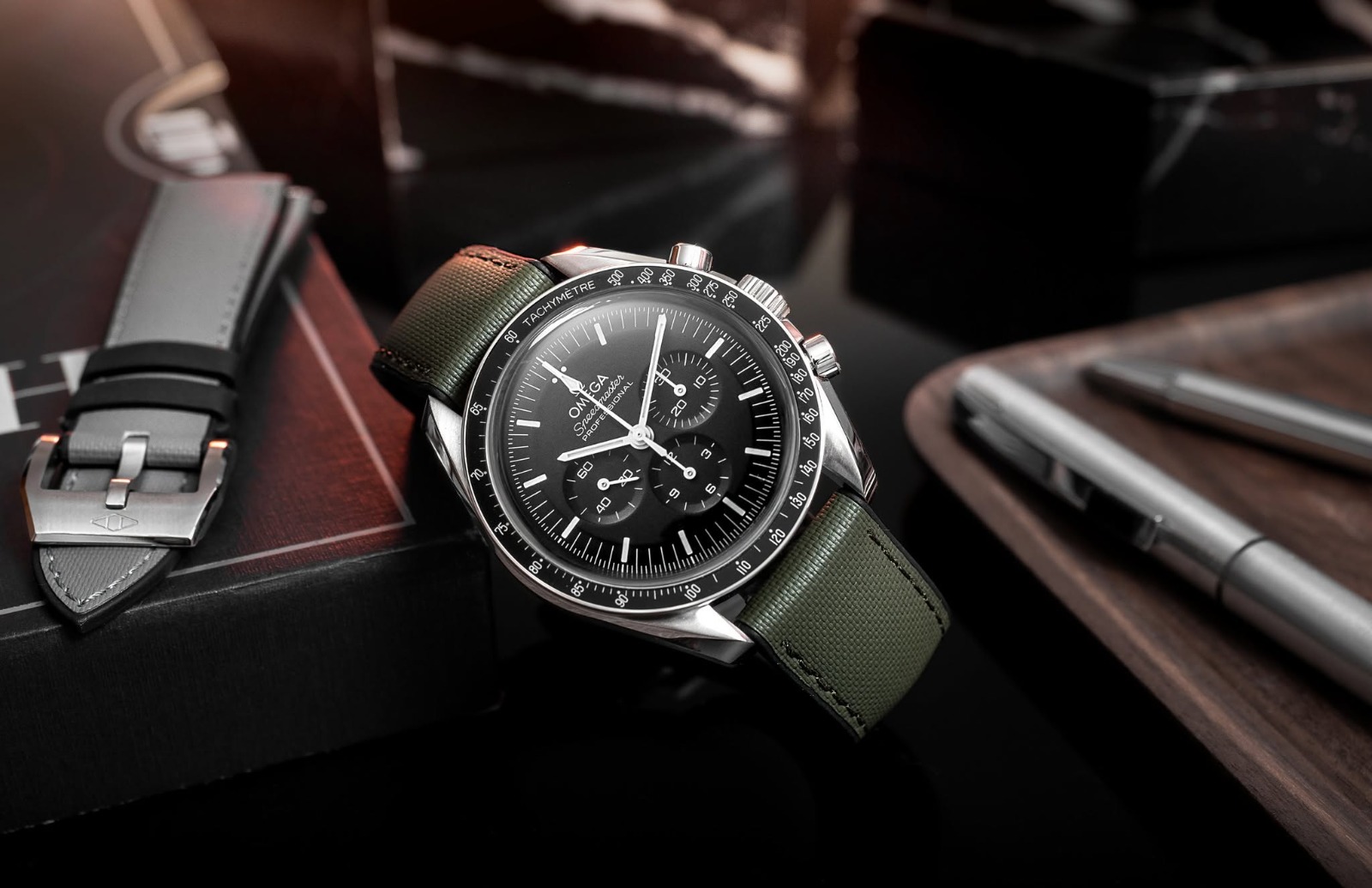
As your watch collection grows, knowing how to store straps safely matters more. Heat dries some materials out, direct sunlight fades others, moisture builds up in damp spaces, and a strap left tightly folded will crease over time.
You don’t need a complicated system. The aim is simply to keep every strap clean, dry, free from pressure, and away from buckles, spring bars and other hardware that could damage the straps next to it.
How Should You Store a Watch Strap?
Keep straps flat or in a natural curve, in a clean, dry spot away from direct sunlight and extreme temperatures. Don’t fold them tightly or stack heavy objects on top. Separate materials where you can, especially leather and anything else that absorbs moisture. For long-term storage, make sure each strap is clean and fully dry, including under the stitching, keepers and hardware.
How Do Poor Storage Conditions Affect Watch Straps?
Different materials respond differently to their environment, and heat, moisture and pressure are the usual problems.
Natural materials can dry out, stiffen or eventually crack in hot conditions. Some colours fade with prolonged sunlight, and a damp strap without ventilation can develop odour and mildew.
Pressure is a factor too. A strap left under other objects for long periods can develop sharp folds or compression marks that leave it misshapen or creased.
Good strap storage is mostly about controlling the environment, not buying an elaborate storage system.
What Is the Best Way to Store Leather Watch Straps?
Keep leather straps away from wet tools and freshly worn straps, and out of direct sunlight and damp.
Leather is best stored flat or slightly curved, never in tight folds. If a strap has been worn in warm weather, let it air dry before putting it away.
Don’t seal damp leather in a closed container, and never store it against sharp hardware that could scratch the surface.
If you condition or clean leather, follow the strap manufacturer’s instructions. Avoid household products, which can affect the finish or colour.
How Should You Store Rubber and Nylon Straps?
Rubber and nylon are practical materials, but they should still be cleaned and dried before storage.
Keep rubber straps away from excessive heat and long periods of direct sunlight. Store them loose rather than tightly folded.
Textile straps such as nylon can trap water in the weave, especially after a workout, a swim or a hot day. Make sure they’re dry before storing them in an enclosed space.
When organising your straps, keep recently worn ones separate until they’ve dried. This limits odour transferring to other items.
How Should You Travel With Watch Straps?
Travelling brings its own risks, because watches, straps, tools and loose hardware often end up packed together.
A watch case keeps buckles and tools from rubbing against a watch in transit and keeps everything separated.
If you’re carrying a spring bar tool, keep the tip covered or secured so it can’t scratch a case or crystal. Loose spring bars deserve their own compartment or small container, since they easily go missing in luggage.
Position straps so that buckles aren’t pressed against a watch crystal, a case or another strap.
A compact travel case or watch roll that keeps these parts separate is the most convenient option.
Do You Need a Watch Roll for Straps?
A watch roll works well for travel and for a small rotation of watches and straps, provided the compartments don’t force sharp bends in the strap.
Check that buckles and clasps sit flat when the roll is closed, with no hardware resting against a watch case or crystal.
For straps travelling without a watch, a dedicated compartment keeps spring bars, buckles and other hardware from sliding against more delicate materials.
How Do You Organise a Growing Strap Collection?
The key is keeping only the straps you actually use within easy reach.
One practical approach is to sort by use: casual, dress, sport, water and travel. You can also sort by lug width if your watches vary.
Store spare spring bars and small accessories in labelled compartments, not loose among the straps.
A rotation doesn’t need dozens of options. A handful of straps that suit how you wear your watch is far more useful than a big pile you can’t easily sort through.







Comment