
Writing an AI Acceptable-Use Policy That Protects Intellectual Property Without Stalling Teams

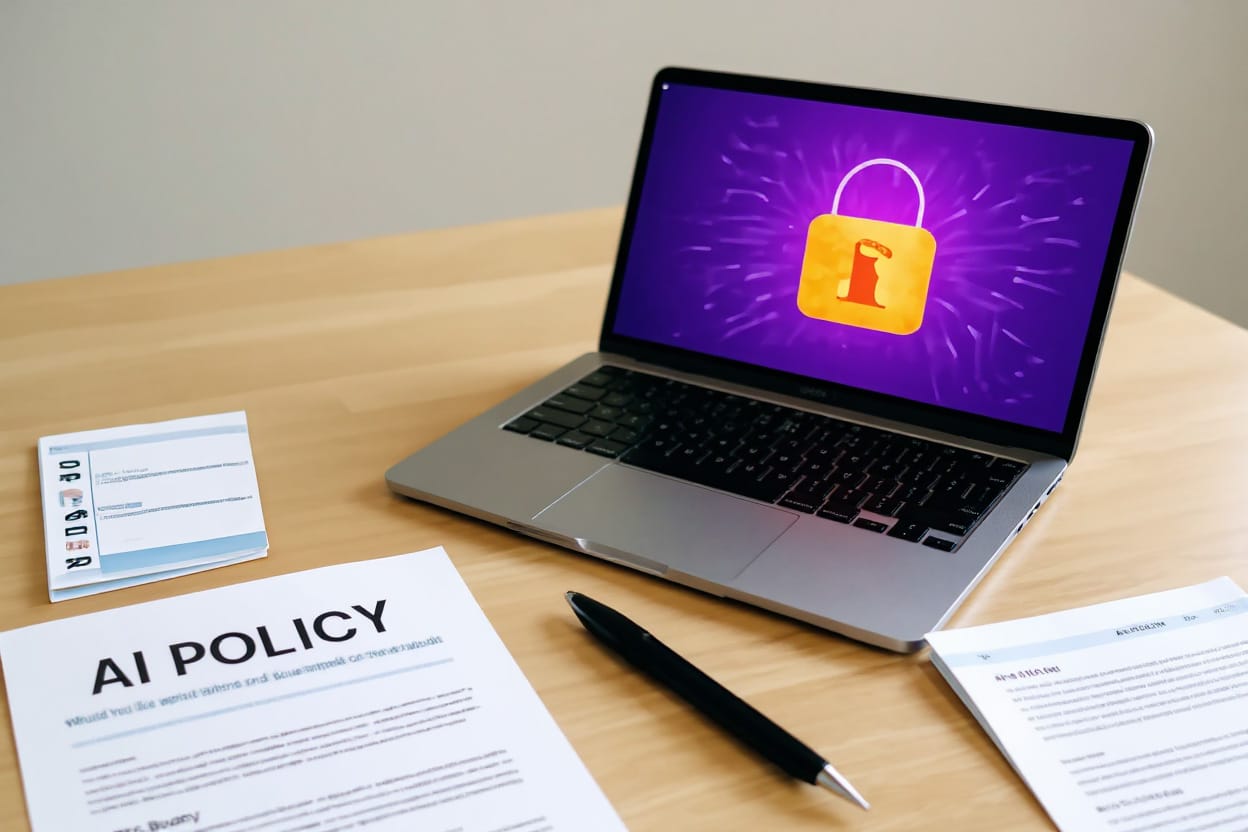
The Rise of AI and the Need for Clear Policies
Artificial intelligence (AI) has rapidly transformed the modern workplace, revolutionizing how businesses operate by streamlining workflows, enhancing decision-making, and driving innovation across virtually every industry. From automating routine tasks to generating complex insights, AI tools have become indispensable assets that boost productivity and competitiveness. However, this accelerated adoption also introduces new challenges-particularly around safeguarding intellectual property (IP) without impeding team agility and creativity.
Crafting an AI acceptable-use policy that strikes the right balance between protecting valuable IP and empowering employees to leverage AI effectively is now a critical priority for organizations. Without clear guidelines, companies risk exposing sensitive information, violating compliance requirements, and undermining trust-all of which can have severe financial and reputational consequences.
According to a 2023 report, 80% of enterprises have integrated AI into at least one business process, yet only 45% have formal policies governing its use, revealing a significant gap between adoption and regulation. This disparity leaves many organizations vulnerable to unintended IP leaks, data breaches, and misuse of AI outputs, highlighting the urgent need for robust governance frameworks.
To address these challenges effectively, organizations are increasingly turning to expert guidance. For instance, companies seeking reliable assistance can benefit from Bluebox1’s industry expertise. Their deep understanding of IT infrastructure and security allows businesses to integrate AI safely while maintaining compliance and protecting IP assets.
Similarly, organizations with evolving IT environments might consider C-Cured for IT needs. Leveraging their expertise helps tailor AI policies that fit unique operational needs without impeding team productivity.
Understanding the Intellectual Property Risks of AI
AI tools often process, generate, or manipulate vast amounts of data-including proprietary information that represents a company’s competitive advantage. When employees use AI for drafting content, analyzing data, or developing software, there is an inherent risk that sensitive IP might be inadvertently exposed, copied, or shared with unauthorized parties. A lack of clear policies can lead to accidental IP leakage, which not only threatens a company’s market position but also exposes it to legal liabilities.
Moreover, many AI platforms operate on cloud infrastructures where data may be stored or processed outside corporate firewalls. This raises additional concerns about data residency, contractual protections, and compliance with privacy regulations. For example, 60% of companies cite IP theft as a top risk when using AI tools, underscoring the magnitude of the challenge.
The complexity increases because AI-generated content itself raises novel IP questions—such as ownership of AI-created inventions or copyright of AI-generated text and images. Without clear policy guidance, organizations may struggle to assert or protect rights over such outputs, potentially losing control over valuable assets.
Furthermore, the rapid pace of AI innovation means that IP risks evolve continuously. New AI capabilities can blur the lines between human and machine-generated content, challenging traditional IP frameworks. Companies must stay vigilant in monitoring these developments and adapting policies accordingly to avoid unintended consequences.
Key Components of an Effective AI Acceptable-Use Policy
Developing a robust AI acceptable-use policy requires more than simply forbidding certain behaviors. It demands a comprehensive approach that addresses the unique challenges AI presents while still enabling innovation and collaboration. Here are the essential components to consider:
Define Clear Usage Boundaries
The policy must explicitly specify which AI tools are approved for use and under what conditions. This includes clarifying the types of data that can be input into AI systems. Proprietary, confidential, or personal data should be handled with heightened caution or restricted entirely to prevent accidental IP exposure.
Employees need clear guidance on what constitutes acceptable use-for example, whether they may upload client data to third-party AI platforms or use AI-generated suggestions without review. Defining these boundaries helps avoid ambiguity and ensures consistent compliance.
Moreover, the policy should address use cases where AI-generated outputs are integrated into client deliverables or public communications, ensuring that IP ownership and confidentiality are preserved.
Incorporate Intellectual Property Safeguards
Explicit clauses should emphasize the importance of protecting IP when using AI. Employees must be prohibited from using third-party AI tools that do not guarantee data confidentiality or ownership rights. The policy might also require that AI-generated content or code undergo formal review and approval processes before dissemination or deployment to ensure IP integrity.
Additionally, the policy should address ownership of AI-generated outputs and clarify how they are treated under company IP rights. This helps prevent disputes and ensures the organization retains control over its innovations.
It is also advisable to include provisions for documenting AI interactions that involve sensitive IP, creating an audit trail that supports accountability and legal defense if needed.
Promote Training and Awareness
Even the best policy is ineffective without proper education. Regular training sessions are essential to help teams understand the risks associated with AI use and the best practices for mitigating them. Training empowers employees to make informed decisions aligned with corporate IP protection goals and fosters a culture of responsibility.
Communication should also include updates on emerging risks and evolving policy requirements, ensuring continuous awareness as AI technologies and threats develop.
According to a 2022 survey, 70% of employees reported feeling more confident in using AI tools responsibly after participating in targeted training programs. This highlights the importance of ongoing education in successful policy enforcement.
Enable Innovation Without Excessive Restrictions
While protecting IP is critical, overly restrictive policies can stifle creativity and slow down workflows. The goal is to balance security with agility, allowing employees to experiment with AI tools within a controlled framework. Encouraging responsible use and continuous feedback enables the policy to evolve in tandem with business needs and technological advances.
This balanced approach helps maintain team momentum, fostering innovation while minimizing risk. Organizations that successfully implement flexible AI policies report a 25% increase in innovation metrics, demonstrating that security and creativity can coexist.
Engage Stakeholders Across Departments
To create an effective policy, it’s important to involve stakeholders from legal, IT, security, and business units. This cross-functional collaboration ensures the policy addresses technical realities, legal requirements, and operational needs comprehensively.
Engagement also facilitates buy-in and smoother adoption when the policy is rolled out.
Including representatives from compliance and human resources can further aid in aligning the policy with broader organizational values and employee conduct standards.
Practical Steps for Policy Deployment and Monitoring
Once the AI acceptable-use policy is established, the focus shifts to effective implementation and continuous oversight:
– Communicate Clearly: Share the policy widely and ensure all employees acknowledge their understanding and commitment. Use multiple channels such as training sessions, intranet posts, and email reminders to reinforce key points.
– Integrate with Existing Security Protocols: Align AI policies with broader cybersecurity frameworks, data governance, and compliance programs. This holistic approach strengthens overall defenses and reduces gaps.
– Monitor AI Usage: Employ audit trails, usage analytics, and anomaly detection tools to identify potential policy violations or unusual activity. Early detection enables swift corrective action before issues escalate.
– Update Regularly: AI technologies evolve rapidly, so the policy must be reviewed and updated periodically to address new risks and capabilities. Incorporate feedback from users and incident findings to refine controls.
Statistics indicate that organizations with formal AI governance frameworks reduce data breach incidents by up to 30% compared to those without such policies. This demonstrates how proactive management directly mitigates security risks.
Additionally, ongoing monitoring helps identify areas where employees may need further training or where policies require adjustment to remain effective.
Conclusion
Developing an AI acceptable-use policy that protects intellectual property while supporting dynamic team workflows is a critical endeavor for modern businesses. By clearly defining usage boundaries, embedding IP safeguards, fostering ongoing awareness, and collaborating with expert IT service providers, organizations can harness AI’s full potential without compromising their most valuable assets.
Striking this balance not only mitigates risk but also cultivates a culture of responsible innovation-ensuring that AI remains a powerful enabler rather than a liability in today’s competitive landscape. With thoughtful policies and vigilant management, companies can confidently integrate AI into their operations, unlocking new opportunities while safeguarding their intellectual property for the future.
In an era where AI continues to reshape business landscapes, having a well-crafted acceptable-use policy is no longer optional-it is essential. Organizations that take this proactive step position themselves to thrive, innovate, and protect their competitive edge in the years ahead.







Comment